
- Probiotics : E. coli Nissle 1917 appears to be as effective as the drug mesalamine in the treatment of ulcerative colitis. However, it is not currently available in the United States. A variety of Bifidophilus preparations have shown effects of preventing relapse or maintaining remission. These include Bifidophilus alone, Bifidophilus in fermented milk products, and a synbiotic preparation. A probiotic combination consisting of VSL#3 plus balsalazide may be more effective than balsalazide or mesalamine alone. More studies are needed to more clearly determine what outcomes can be expected.
- Probiotics are generally regarded as safe for human consumption. Long-term consumption of probiotics is considered safe and well tolerated. Avoid if allergic or hypersensitive to probiotics. Use cautiously if lactose intolerant.
- Acupuncture : Preliminary study has used acupuncture for acute and chronic colitis. More study is needed before a recommendation can be made.
- Avoid acupuncture in patients who have valvular heart disease, infections, bleeding disorders or with drugs that increase the risk of bleeding (anticoagulants), medical conditions of unknown origin, neurological disorders. Avoid on areas that have received radiation therapy and during pregnancy. Use cautiously with pulmonary disease (like asthma or emphysema). Use cautiously in the elderly or medically compromised patients, diabetics or with history of seizures.
- Ayurveda : Ayurveda is a form of natural medicine that originated in ancient India more than 5,000 years ago. It is an integrated system of techniques that uses diet, herbs, exercise, meditation, yoga, and massage or bodywork to achieve optimal health on all levels. Preliminary evidence suggests that the gum resin of Boswellia serrata may improve or alleviate symptoms in patients with chronic colitis with minimal side effects. More studies are needed to confirm this finding.
- Ayurvedic herbs can interact with other herbs, foods, and drugs. A qualified healthcare professional should be consulted before taking. Ayurvedic herbs should be used cautiously because they are potent and some constituents can be potentially toxic if taken in large amounts or for a long time. Some herbs imported from India have been reported to contain high levels of toxic metals. Avoid Ayurveda with traumatic injuries, acute pain, advanced disease stages, and medical conditions that require surgery.
- Barley : Germinated barley foodstuff (GBF) has been suggested as possibly helpful in patients with ulcerative colitis. Scientific evidence in this area is preliminary, and further research is needed before GBF can be recommended for ulcerative colitis.
- Patients who are allergic to barley flour or beer should avoid barley products. Severe allergic reactions (anaphylaxis) and skin rashes have been reported from drinking beer made with malted barley. Patients with allergy/hypersensitivity to grass pollens, rice, rye, oats or wheat may also react to barley. Barley appears to be well tolerated in non-allergic, healthy adults in recommended doses for short periods of time, as a cereal or in the form of beer. Avoid consuming large amounts of barley sprouts if pregnant. Avoid if breastfeeding.
- Boswellia : Boswellia has been noted in animal and laboratory studies to possess anti-inflammatory properties. Based on these observations, boswellia has been suggested as a potential treatment for ulcerative colitis and Crohn's disease. At this time, however, only a limited number of poor-quality human trials have evaluated this use of boswellia, with inconclusive results. Therefore, there is inadequate evidence for or against this use of boswellia.
- Avoid if allergic to boswellia or other herbs in the Burseraceae family (like myrrh or garuga). Boswellia is generally believed to be safe when used as directed, although safety and toxicity have not been well studied in humans. Indian literature suggests that boswellia may promote menstruation and induce abortion. However, there is insufficient scientific evidence regarding the safety of boswellia. Therefore, pregnant or breastfeeding women should avoid boswellia.
- Bovine colostrum : Bovine colostrum is the pre-milk fluid produced from cow mammary glands during the first two to four days after birth. Bovine colostrum confers growth, nutrient, and immune factors to the offspring. Preliminary evidence suggests that bovine colostrum may improve gastrointestinal health and may be an effective treatment for colitis. More studies are needed.
- Avoid if allergic to dairy products. Use bovine colostrum cautiously because toxic compounds, such as polychlorinated biphenyls (PCBs), dichlorodiphenyltrichloroethane (DDT), and dichlordiphenyldichloroethylene (DDE), have been found in human colostrum and breast milk. Thus, it is possible that these agents may be found in bovine colostrum. Avoid with, or if at risk of, cancer. Use cautiously with immune system disorders or atherosclerosis (hardening of the arteries). Use cautiously if taking medications, such as anti-diarrheal agents (e.g. Imodium®), insulin, or CNS agents (such as amphetamines, caffeine).
- Chlorella : Clinical study indicates that chlorella may increase the ulceration associated with ulcerative colitis. Although the results are promising, more high quality studies are needed to confirm these studies' findings.
- Avoid in patients with known allergy/hypersensitivity to chlorella, its constituents, mold, or members of the Oocystaceae family. Avoid long-term supplementation or with manganese supplementation. Avoid in patients using warfarin or other anticoagulant therapy. Use cautiously in patients with hypotension or taking antihypertensives, or in patients taking immunomodulators or with altered immune function. Use cautiously in patients with cancer. Use cautiously in patients with photosensitivity, taking photosensitizers, or in those exposed to the sun.
- Dandelion : Early study suggests that a combination herbal preparation containing dandelion may improve chronic pain associated with colitis. Because multiple herbs were used, and this study was not well-designed or reported, the effects of dandelion are not clear.
- Avoid if allergic to chamomile, feverfew, honey, yarrow, or any related plants such as aster, daisies, sunflower, chrysanthemum, mugwort, ragweed, or ragwort. Use cautiously with diabetes or bleeding disorders, gastroesophageal reflux disease (GERD), kidney or liver diseases, or a history of stroke or electrolyte disorders. Potassium blood levels should be monitored. Stop use two weeks before surgery/dental/diagnostic procedures with bleeding risk and do not use immediately after these procedures. Avoid if pregnant or breastfeeding.
- DHEAÂ : Initial research reports have shown that DHEA (dehydroepiandrosterone) supplements are safe for short-term use in patients with Crohn's disease. Preliminary research suggests possible beneficial effects, although further research is necessary before a clear conclusion can be drawn.
- Avoid if allergic to DHEA products. Avoid if pregnant or breastfeeding because DHEA is a hormone.
- Gamma linolenic acid (GLA)Â : Clinical study suggests that a combination of GLA plus eicosapentaenoic acid (EPA) and docosahexaenoic acid (DHA) does not prolong the period of disease remission in ulcerative colitis. Further well-designed clinical trials are required in this area before recommendations can be made.
- GLA is generally considered nontoxic and well tolerated for up to 18 months. Avoid if pregnant or breastfeeding due to insufficient evidence.
- Glucosamine : Preliminary research reports improvements with N-acetyl glucosamine as an added therapy in inflammatory bowel disease. Further scientific evidence is necessary before a recommendation can be made. Avoid if allergic to shellfish or iodine. In most human studies, glucosamine sulfate has been well tolerated for 30 to 90 days. Avoid if pregnant or breastfeeding.
- Lemon balm : Limited clinical evidence is available supporting the use of lemon balm for the treatment of chronic colitis. Based on available research, lemon balm taken by mouth has been reported to be relatively well tolerated when taken for up to eight weeks.
- Avoid if allergic or hypersensitive to lemon balm. Avoid with Grave's disease or thyroid hormone replacement therapy. Use cautiously in glaucoma because lemon balm may increase eye pressure. Use caution when operating heavy machinery. Lemon balm preparations may contain trace amounts of lead. Avoid if pregnant or breastfeeding.
- Melatonin : Based on preliminary study, melatonin may be a promising therapeutic agent for irritable bowel disease. Further research is needed before a recommendation can be made.
- Case reports raise concerns about risks of blood clotting abnormalities (particularly in patients taking warfarin), increased risk of seizure, and disorientation with melatonin overdose. Melatonin supplementation should be avoided in women who are pregnant or attempting to become pregnant, based on possible hormonal effects. High levels of melatonin during pregnancy may increase the risk of developmental disorders.
- Moxibustion : Moxibustion is a healing technique employed across the diverse traditions of acupuncture and oriental medicine for over 2,000 years. Moxibustion uses the principle of heat to stimulate circulation and break up congestion or stagnation of blood and chi. Moxibustion is closely related to acupuncture as it is applied to specific acupuncture points. Evidence from several small studies suggests that moxibustion with acupuncture may have potential in treatment of colitis and Crohn's disease. However, there is insufficient evidence on which to base concrete recommendations at this time.
- Use cautiously over large blood vessels and thin or weak skin. Avoid with aneurysms, any kind of "heat syndrome," cardiac disease, convulsions or cramps, diabetic neuropathy, extreme fatigue and/or anemia, fever, inflammatory conditions, over allergic skin conditions or ulcerated sores, or skin adhesions. Avoid if pregnant or breastfeeding. Avoid areas with an inflamed organ, contraindicated acupuncture points, face, genitals, head, inflamed areas in general, nipples, and skin adhesions. Avoid in patients who have just finished exercising or taking a hot bath or shower.
- Omega-3 fatty acids : It has been suggested that effects of omega-3 fatty acids on inflammation may be beneficial in patients with ulcerative colitis or Crohn's disease when added to standard therapy, and several studies have been conducted in this area. Better research is necessary before a clear conclusion can be drawn.
- Avoid if allergic to fish. The U.S. Food and Drug Administration classifies low intake of omega-3 fatty acids from fish as GRAS (Generally Regarded as Safe). Caution may be warranted, however, in diabetic patients due to potential (albeit unlikely) increases in blood sugar levels, patients at risk of bleeding, or in those with high levels of low-density lipoprotein (LDL). Fish meat may contain methylmercury, and caution is warranted in young children and pregnant/breastfeeding women.
- Probiotics : There is not enough evidence on which to form conclusions for the use of probiotics in collagenous colitis or inflammatory bowel disease. Study results are mixed. Saccharomyces boulardii, E. coli Nissle, probiotics, yogurt, and high doses of probiotics have shown the most promise. More research is needed.
- Avoid if allergic or hypersensitive to probiotics. Use cautiously if lactose intolerant. Caution is advised when using probiotics in neonates born prematurely or with immune deficiency.
- Psychotherapy : Psychotherapy may not improve the course of Crohn's disease, although patients undergoing psychotherapy tended to have fewer operations and relapses. More research is needed in this area.
- Not all therapists are sufficiently qualified to work with all problems. The client or patient should seek referrals from trusted sources and should also inquire of the practitioner's training and background before committing to work with a particular therapist. Some forms of psychotherapy evoke strong emotional feelings and expression. This can be disturbing for people with serious mental illness or some medical conditions.
- Psyllium : There is limited and unclear evidence regarding the use of psyllium in patients with inflammatory bowel disease.
- Serious allergic reactions including anaphylaxis, difficulty breathing/wheezing, skin rash, and hives have been reported after ingestion of psyllium products. Less severe hypersensitivity reactions have also been noted. Cross-sensitivity may occur in people with allergy to English plantain pollen (Plantago lanceolata), grass pollen, or melon. Psyllium appears to be safe during pregnancy and breastfeeding.
- Relaxation therapy : Early research in humans suggests that relaxation may aid in the prevention and relief of irritable bowel disease symptoms. Large, well-designed trials are needed to confirm these results.
- Avoid with psychiatric disorders such as schizophrenia/psychosis. Jacobson relaxation (flexing specific muscles, holding that position, then relaxing the muscles) should be used cautiously with illnesses such as heart disease, high blood pressure, or musculoskeletal injury. Relaxation therapy is not recommended as the sole treatment approach for potentially serious medical conditions and should not delay the time to diagnosis or treatment with more proven techniques.
- Saccharomyces boulardii : Early evidence supports mild improvement of symptoms and quality of life in patients with Crohn's disease who use Saccharomyces boulardii, although studies have been small. More clinical trials are required before recommendations can be made.
- Avoid if allergic to yeast, Saccharomyces boulardii, Saccharomyces cerevisiae, or other species in the Saccharomycetaceae family. Saccharomyces boulardii has been generally well tolerated in human studies for up to 15 months. However, Saccharomyces boulardii fungemia does occur. Multiple case reports describe fungemia in patients taking Saccharomyces boulardii. Avoid if pregnant or breastfeeding.
- Soy : Due to limited human study, there is not enough evidence to recommend for or against the use of soy as a therapy in preventing Crohn's disease. Further research is needed before a recommendation can be made.
- Soy can act as a food allergen similar to milk, eggs, peanuts, fish, and wheat. Soy has been a dietary staple in many countries for over 5,000 years, and is generally regarded as not having significant long-term toxicity. Limited side effects have been reported in infants, children, and adults aside from allergic reactions. Soy as a part of the regular diet is traditionally considered to be safe during pregnancy and breastfeeding, although scientific research is limited in these areas.
- Thiamin (vitamin B1)Â : Decreased serum thiamine levels have been reported in patients with Crohn's disease. It is not clear if routine thiamin supplementation is beneficial in such patients generally.
- Allergic reactions to thiamin supplements are rare. A small number of life-threatening anaphylactic reactions have been observed with large parenteral (intravenous, intramuscular, subcutaneous) doses of thiamin, generally after multiple doses. Thiamin is generally considered safe and relatively nontoxic, even at high doses. Thiamin appears to be safe at recommended doses during pregnancy and breastfeeding.
- wheatgrass : Clinical study reported potential benefits of wheatgrass in the treatment of ulcerative colitis. However, further research is needed to confirm these findings.
- Wheatgrass is generally considered safe, but should be avoided in patients who are allergic to it. Because it is grown in soils or water and consumed raw, wheatgrass may be contaminated with bacteria, molds or other substances. Because it is grown in soils or water and consumed raw, wheatgrass may be contaminated with bacteria, molds or other substances. Theoretically, women who are pregnant or breastfeeding should use wheatgrass cautiously.
- Zinc : Preliminary research of zinc supplements in patients with Crohn's disease has yielded positive results. Well-designed clinical trials are needed to confirm these results.
- Zinc is regarded as a relatively safe and generally well tolerated when taken at recommended doses, and few studies report side effects. Occasionally adverse affects such as nausea, vomiting, or diarrhea has been observed. Zinc acetate should only be used during pregnancy if clearly needed. Zinc appears to be safe in amounts that do not exceed the established tolerable upper intake level. Zinc chloride should be given to a pregnant woman only if clearly needed under medical supervision.
- Zinc : Early studies have found that zinc supplementation does not seem to improve inflammatory bowel disease.
- Zinc is regarded as a relatively safe and generally well tolerated when taken at recommended doses, and few studies report side effects. Occasionally adverse affects such as nausea, vomiting, or diarrhea has been observed. Zinc acetate should only be used during pregnancy if clearly needed. Zinc appears to be safe in amounts that do not exceed the established tolerable upper intake level. Zinc chloride should be given to a pregnant woman only if clearly needed under medical supervision.
medical conditions
Crohn's disease
Explore the available health information, treatment context, and integrative evidence for Crohn's disease.
Evidence Ledger
Grades describe the evidence for Crohn's disease relative to each listed condition or goal.
Toggle evidence section
Evidence and integrative options for Crohn's disease
Background
- Crohn's disease is a chronic disorder that causes inflammation of the gastrointestinal tract. Although it may cause inflammation in any area of the gastrointestinal tract from the mouth to the anus, it most commonly affects the small intestine and/or colon. Crohn's disease causes painful swelling that often results in diarrhea, or frequent, loose, watery stools.
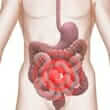
- The small intestine contains three parts: the duodenum, jejunum, and ileum. Most of digestion occurs in the small intestine because it is responsible for absorbing nutrients from food. The remaining food then enters the colon, which also has three parts: the cecum, colon, and rectum. The large intestine absorbs any remaining water from indigestible food and eliminates the waste from the body.
- Dr. Burill B. Crohn and two of his colleagues, Dr. Leon Ginzburg and Dr. Gordon D. Oppenheimer, discovered Crohn's disease in 1932.
- Crohn's disease is one of the two types of inflammatory bowel diseases (IBD) that affect the intestines. The other IBD is called ulcerative colitis (UC). The symptoms of these two illnesses are very similar, which often makes it difficult to distinguish between the two. In fact, about 10% of colitis (inflamed colon) cases cannot be diagnosed as either ulcerative colitis or Crohn's disease. When doctors cannot diagnose the specific IBD, the condition is called indeterminate colitis. As the disease progresses, sometimes a case of indeterminate colitis can later be diagnosed as either Crohn's disease or ulcerative colitis.
- Unlike ulcerative colitis, which only affects the superficial, or outermost, tissue layers (called mucosa) of the colon, Crohn's disease can affect any layer of tissue in the gastrointestinal tract. Crohn's disease often spreads deep into the layers of affected tissues. Also, unlike ulcerative colitis, the inflammation is not consistent throughout the bowel. There may be healthy bowel tissue/mucosa in between areas of diseased bowel.
- Although Crohn's disease can develop at any age, it is most commonly diagnosed in people 20-30 years old. Crohn's disease generally affects men and women equally. The disorder can affect any ethnic group. However, people of Jewish heritage are most likely to develop Crohn's disease, while African Americans are less likely to develop it. In addition, people with family histories of Crohn's disease are about 30 times more likely to develop the disorder, suggesting that some cases may be inherited.
- An estimated 500,000 Americans have Crohn's disease. Crohn's disease is less common in southern European countries, South Africa, and Australia, where it is estimated to affect about 0.9-3.1 out of 100,000 people. The condition is even less common in Asian and South American countries, where it is estimated to affect about 0.5-0.08 out of 100,000 people.
- There is currently no cure for Crohn's disease. However, many medications, including anti-inflammatories and immunosuppressants, may help patients achieve and maintain remissions. Other medications, such as anti-diarrheals and laxatives, as well as lifestyle changes, may help reduce symptoms of Crohn's disease. People with mild symptoms or those who experience periods of remission may not require treatment.
Risk Factors and Causes
- General: The cause of Crohn's disease remains unknown. However, current research indicates that the inflammation in Crohn's disease patients involves a complex interaction of factors, including heredity, the immune system, and antigens in the environment.
- Environment: Because Crohn's disease is more common among people who live in cities and developed nations, it has been suggested that environmental factors, such as diets high in fat or refined foods, may increase a person's risk of developing the disorder. These foods are more difficult than most foods to digest, and they may aggravate the digestive tract.
- Heredity: People with family histories of Crohn's disease have an increased risk of developing the disorder. Therefore, researchers believe that an individual's genetic makeup may be a contributing factor to development of the disease.
- Immune system: Some evidence suggests that an immune system malfunction may cause Crohn's disease. The immune system protects the body from disease and infection. It is theorized that in people with Crohn's disease, the immune system mistakes bacteria, viruses, or other substances as foreign, invading substances. The immune system then attacks this substance, causing the gastrointestinal tract to become inflamed.
- Other researchers speculate that the inflammation may stem from a virus or bacterium directly. Inflammation may occur as the immune system fights against the invading organism. In particular, the Mycobacterium avium subspecies paratuberculosis (MAP) may be involved the development of Crohn's disease. This microorganism is known to cause intestinal diseases in cattle. In addition, researchers have found MAP in the blood and intestinal tissue of some people diagnosed with Crohn's disease.
Signs and Symptoms
- General: The severity of Crohn's disease symptoms varies among patients, and they may develop gradually or come on suddenly. Some people may experience long periods with no symptoms, while others may experience chronic or recurrent symptoms.
- Common symptoms: The most common symptoms of Crohn's disease are diarrhea (ranging from mild to severe), abdominal pain, decreased appetite, and weight loss. If the diarrhea is extreme, it may lead to dehydration, increased heartbeat, and decreased blood pressure. As food moves through inflamed areas of the gastrointestinal tract, it may cause bleeding. If a person frequently loses blood in the stool, anemia, or low levels of red blood cells, may result. Certain foods, including dairy products, fatty foods, high-fiber foods, or highly seasoned foods, may worsen symptoms of diarrhea because they are more difficult than most foods to digest.
- Other symptoms: In addition, Crohn's disease may also cause open sores in the intestines (called intestinal ulcers), fever, fatigue, arthritis, eye inflammation, skin disorders, and inflammation of the liver or bile ducts.
Diagnosis
- General: The diagnosis of Crohn's disease is based on a combination of exams. A colonoscopy is the standard diagnostic test for Crohn's disease. In order to determine whether the inflammatory bowel disease is ulcerative colitis or Crohn's disease, tests such as capsule endoscopy, upper endoscopy, barium study, or CT-scan may be conducted. These tests help the gastroenterologist determine whether there is inflammation in gastrointestinal areas other than the colon. If there is inflammation in areas other than the colon, the patient is diagnosed with Crohn's disease.
- Colonoscopy: A qualified healthcare provider may observe the colon with an endoscope. The endoscope is a thin tube that is inserted through the anus and attached to a television monitor. The doctor looks for inflammation, bleeding, or ulcers on the intestinal wall.
- Capsule endoscopy: A capsule endoscopy may be performed if a person experiences symptoms of Crohn's disease, but other diagnostic tests are negative for the disease. The patient swallows a capsule that has a camera inside. The camera photographs the gastrointestinal tract. The pictures are then transmitted to a computer screen. The doctor then looks for abnormalities in the gastrointestinal tract, including inflammation and ulcers. Once the device has traveled through the digestive tract, it will pass painlessly in the stool.
- Barium study: During a barium study, the patient drinks a barium solution before X-rays of the intestines are taken. The barium will appear white on the X-ray film, which allows the doctor to see possible problems, such as inflammation.
- Computerized tomography (CT-scan): A computerized tomography (CT-scan), which takes pictures of the internal organs and bones, may also be performed. A CT-scan produces more detailed images than a standard X-ray does. This painless and non-invasive test shows the entire gastrointestinal tract and tissues outside of the bowel. These images may help the healthcare provider detect complications, such as blockages, abscesses, or fistulas.
- Flexible sigmoidoscopy: A qualified healthcare provider may also perform a sigmoidoscopy. During this procedure, the doctor uses a slender, flexible tube to examine the last two feet of the colon, known as the sigmoid. The test is usually completed in about 10 minutes. However, it is slightly uncomfortable, and there is a slight risk that the colon wall may become perforated. In addition, this test may not detect problems higher in the colon or small intestine. This test may help doctors distinguish between ulcerative colitis and Crohn's disease.
- Upper endoscopy: An upper endoscopy may be performed to check the esophagus, stomach, and upper small intestine for bleeding, inflammation, or ulcers associated with Crohn's disease. This test may help doctors distinguish between ulcerative colitis and Crohn's disease.
- Blood tests: In addition, blood tests may be used to check for anemia (low levels of red blood cells), which may indicate intestinal bleeding. These tests may also check for high levels of red blood cells, which indicate that there is inflammation somewhere in the body.
- Stool sample: A stool sample may be taken to check for bleeding or test for intestinal infections.
Complications
- Anal fissure: Hard stools or frequent diarrhea may cause anal fissures to develop. An anal fissure is a cleft in the anus or in the skin around the anus where an infection may develop. This often causes painful bowel movements.
- Colon cancer: People who have Crohn's disease are more likely to develop colon cancer, even if the condition is managed with treatment. The risk of colon cancer is related to the extent and duration of disease, not its severity. The risk is the greatest among individuals who have had Crohn's disease for longer than eight years and if it has spread throughout the entire colon.
- The prognosis for patients with colon cancer depends on the stage of the disease, as well as the person's overall health. In general, colorectal cancer patients have a five-year survival rate of about 61%. The five-year survival rate is about 92% when the disease is treated before it has spread (metastasized); 64% when the cancer has spread to nearby organs or lymph nodes; and 7% when it has spread to other parts of the body (e.g. liver, lungs).
- Despite the increased risk, most people with Crohn's disease do not develop cancer. Individuals who have had Crohn's disease for more than eight years should visit their gastroenterologists at least once a year. Regular colonoscopies may also be recommended.
- Dehydration: Because diarrhea causes the body to lose water and salts, people with Crohn's disease may develop dehydration. Dehydration is especially dangerous in infants, young children, and older adults. Symptoms of dehydration include dry skin, thirst, less frequent urination, light-headedness, and dark-colored urine.
- Fistulas: Ulcers may extend through the intestinal wall, creating an abnormal opening, called a fistula. Fistulas are considered common complications of Crohn's disease. If an internal fistula (or an abnormal passageway connecting two body cavities) develops, food may not reach the area of the intestine involved in absorption and malnutrition may result. External fistulas, or abnormal passageways that connect a body cavity to the skin, may result in continuous bowel drainage onto the skin. Fistulas may also become infected and lead to a life-threatening condition, if left untreated.
- Malnutrition: Symptoms of Crohn's disease, such as diarrhea, abdominal pain, and cramping, may make it difficult to eat. The body may not be able to consume or absorb a sufficient amount of nutrients in the intestines. In particular, Crohn's disease has been associated with decreased levels of fat-soluble vitamins, including vitamin K~, vitamin A~, vitamin D~, and vitamin E~.
- Obstruction: Individual's who have Crohn's disease may experience blockage in the intestine. This is the most common complication of Crohn's disease. Food contents may become lodged in areas of the intestine that are inflamed. Also, parts of the intestines may thicken and narrow over time, causing blockages. Sometimes medications can be used to clear blockages, but some cases may require surgery to remove the blockage. In severe cases, the affected part of the intestine may need to be surgically repaired or removed.
- Toxic megacolon: Toxic megacolon is a rare, but potentially life-threatening complication of severe Crohn's disease. Toxic megacolon is characterized by a dilated colon (called a megacolon), abdominal bloating, and occasionally fever, abdominal pain, or shock. In severe cases, the condition may cause the colon to become paralyzed. Toxic megacolon prevents the person from having bowel movements. If the condition is not treated, then the colon may rupture, resulting in inflammation of the lining of the abdominal cavity (called peritonitis). Peritonitis is a life-threatening condition that requires emergency surgery.
- Ulcers: Ulcers, or open sores, may develop anywhere there is chronic inflammation in the gastrointestinal tract, including the mouth or anus. In some rare cases, gastrointestinal ulcers may cause potentially life-threatening complications, such as penetration, perforation (holes), bleeding, and obstruction.
- Other: Many people who have had Crohn's disease for many years develop osteoporosis, a condition that causes the bones to become weak, brittle, and porous. Researchers speculate that this may be related to low levels of vitamin K~, which is a fat-soluble vitamin that is involved in binding calcium to bone.
Treatment
- General: There is no known cure for Crohn's disease. However, many medications, including anti-inflammatories and immunosuppressants, may help patients achieve and maintain remissions. Other medications, such as anti-diarrheals and laxatives, as well as lifestyle changes, may help reduce symptoms of Crohn's disease. People with mild symptoms or those who experience periods of remission may not require treatment.
- Anti-inflammatories :
- Sulfasalazine (Azulfidine®): Sulfasalazine (Azulfidine®) has been used to treat the symptoms of Crohn's disease. This medication helps reduce swelling in the gastrointestinal tract. Common side effects include nausea, vomiting, heartburn, and headache. People should avoid this medication if they are allergic to sulfa medications.
- Mesalamine and olsalazine: Mesalamine (e.g., Asacol® or Rowasa®) and olsalazine (Dipentum®) have been used to decrease inflammation in the gastrointestinal tract caused by Crohn's disease. They are typically taken orally or rectally in the form of enemas or suppositories.
- Olsalazine may cause or worsen diarrhea in some people. Serious side effects may include severe stomach pain or cramping, headache, and bloody diarrhea. Patients should seek immediate medical treatment if any of these side effects develop. Other, less serious side effects may include diarrhea, joint pain, mild nausea, gas, fever, sore throat, flu-like symptoms, constipation, dizziness, fatigue, and skin rash.
- Balsalazide (Colazal®): Balsalazide (Colazal®) has also been used to decrease inflammation in the gastrointestinal tract caused by Crohn's disease.
- Common side effects include diarrhea and stomach pain. Other, less common symptoms, may include, but are not limited to, constipation, coughing, blood in the urine, flu-like symptoms, dry mouth, cramps, gas, heartburn, upset stomach, decreased appetite, joint pain, lower back pain, muscle pain, stuffy nose, difficulty sleeping, fatigue or weakness, yellowish skin, and pain or burning during urination.
- Corticosteroids: Corticosteroids have been shown to effectively reduce inflammation of the gastrointestinal tract in Crohn's disease patients. They may also be used in combination with other types of medications. For instance, corticosteroids may be more effective when taken with immunosuppressant drugs that decrease the body's inflammation response. In such cases, the corticosteroids are used to induce remission, while the immunosuppressants are used to help maintain remission.
- In some cases, a doctor may prescribe steroid enemas that are inserted into the anus in order to treat symptoms in the lower colon or rectum. Unlike oral corticosteroids, which reduce inflammation throughout the entire body, steroid enemas only affect the lower gastrointestinal tract.
- Corticosteroids are typically used for people who have moderate to severe Crohn's disease that does not respond to other treatments.
- Corticosteroids should only be used as short-term medication. Treatment generally lasts about 3-4 months at a time. This is because long-term use may cause the drugs to become less effective and serious side effects may develop. Side effects may include easy bruising, thinning of bones, cataracts, weight gain, a round face, and diabetes.
- Immunosuppressants :
- Azathioprine and mercaptopurine: Azathioprine (Imuran®) and mercaptopurine (Purinethol®) have been used to treat Crohn's disease. These drugs decrease the body's immune response that is responsible for inflammation. Since these medications are slow-acting, they are sometimes combined with corticosteroids.
- Patients taking immunosuppressants may have an increased risk of developing certain types of cancers and infections. Patients should seek immediate medical attention if they develop serious side effects, such as pale skin, easy bruising or bleeding, unusual weakness, fever, sore throat, body aches, muscle pain, flu-like symptoms, severe nausea, vomiting, diarrhea, severe pain in the stomach that spreads to the back, increased heartbeat, burning or painful sensations during urination, dark urine, clay-colored stool, yellowing of the skin or eyes (called jaundice), or mouth sores. Less serious side effects may include, but are not limited to, upset stomach, nausea, diarrhea, decreased appetite, hair loss, and skin rash.
- Cyclosporine: An immunosuppressant called cyclosporine (e.g. Neoral® or Sandimmune®) is usually only prescribed to individuals who are not responding to other medications. It may also be prescribed to help heal fistulas. Cyclosporine begins working within one to two weeks.
- Patients taking immunosuppressants may have an increased risk of developing certain types of cancers (particularly lymphoma) and infections that may be fatal. Severe side effects may include kidney and liver damage because cyclosporine is broken down by the liver and kidneys.
- Infliximab (Remicade®): Infliximab (Remicade®) was the first drug of a group of medications created to block inflammation in the body, and it has been used to treat some patients with Crohn's disease. This drug neutralizes a protein produced by the immune system, known as tumor necrosis factor (TNF). TNF helps stimulate inflammation. Infliximab removes TNF from the bloodstream before it can cause inflammation in the gastrointestinal tract.
- Because TNF also stimulates the destruction of some types of cancer cells in the body, people who take infliximab may have an increased risk of developing certain types of cancer. Patients should seek immediate medical attention if they develop serious side effects, such as shortness of breath, swelling of the ankles or feet, red/purple or scaly skin rash, joint or muscle pain, mouth sores, numbness or tingling sensations, vision problems, feeling of weakness in the arms or legs, pain or burning sensation during urination, nausea, stomach pain, fever, decreased appetite, dark urine, clay-colored stools, or yellowing of the skin or eyes (called jaundice). Other, less serious side effects are more common and may include stomach pain, stuffy nose, sinus pain, headache, or mild skin rash.
- Other treatment options :
- Drink fluids: Individuals with diarrhea should drink plenty of water. Patients may also benefit from drinks that contain electrolytes, such as Gatorade®, Pediatric Electrolyte®, Pedialyte®, or Enfalyte®.
- Avoid certain foods: Certain foods, including dairy products, fatty foods, high-fiber foods, or highly seasoned foods, may worsen symptoms of diarrhea. These foods are more difficult than most foods to digest, and they may aggravate the digestive tract. Therefore, these foods should be avoided or limited until the diarrhea has gone away.
- Avoid smoking: People with Crohn's disease should avoid smoking because it may worsen symptoms.
- Nutritional supplements: If a person develops malnutrition as a complication of Crohn's disease, nutritional supplements may be recommended. Patients should talk to their doctors before taking supplements.
- Anti-diarrheals: A fiber supplement, such as psyllium powder~ (Metamucil®) or methylcellulose (Citrucel®) may help relieve symptoms of mild to moderate diarrhea. These are considered bulk laxatives because they absorb liquid in the intestines and make a bulkier, softer stool that is easier to pass. More severe cases of diarrhea may be treated with loperamide hydrochloride (Imodium®). Loperamide hydrochloride slows down the speed at which fluids move through the bowels.
- Patients should seek immediate medical attention if they develop serious side effects, such as stomach pain or bloating, worsening of diarrhea or diarrhea that is watery or bloody, fever, sore throat, and headache with a blistering skin rash. Less serious side effects may include, but are not limited to, dizziness, fatigue, chest pain, constipation, mild stomach pain, or mild skin rash.
- Antibiotics: Antibiotics, such as metronidazole (Flagyl®) or ciprofloxacin (Cipro®), may be prescribed. These medications have been shown to help heal fistulas and abscesses in people with Crohn's disease. These antibiotics may also help reduce harmful bacteria in the intestine and suppress the immune response in the intestines, thereby reducing inflammation. However, it remains unknown exactly how these medications work.
- Patients should not consume alcohol while taking metronidazole and for three days after stopping the medication. Side effects of metronidazole may include, but are not limited to, nausea, stomach pain, diarrhea, dizziness, headache, vaginal itching or discharge, dry mouth, unpleasant or metallic taste, cough, sneezing, runny nose, or swollen or sore tongue. Side effects of ciprofloxacin may include, but are not limited to, nausea, vomiting, dizziness, drowsiness, blurred vision, difficulty sleeping, muscle pain, joint stiffness, and increased skin sensitivity to sunlight. Patients should talk to their doctors if they develop serious side effects, such as seizures, fever, body aches, flu-like symptoms, numbness or tingling sensations, chest pain, sudden pain or swelling in the joints, confusion, hallucinations, depression, sores inside the mouth, pain or burning sensations during urination, and diarrhea.
- Laxatives: Inflammation may cause the intestines to narrow, resulting in constipation. Laxatives may be taken to relieve symptoms of constipation. Oral laxatives, such as bisacodyl tablets (Correctol® or Dulcolax®), have been used. Side effects may include, but are not limited to, cramps, faintness, and stomach discomfort.
- Pain relievers: A qualified healthcare provider may recommend acetaminophen (Tylenol®) for mild abdominal pain cause by inflammation.
- Researchers have found a strong correlation between non-steroidal anti-inflammatory drugs (NSAIDs) and Crohn's disease flare-ups (sudden onset of symptoms). Therefore, people with Crohn's disease should avoid NSAIDs, which includes medications, such as ibuprofen (Advil® or Motrin®) or naproxen (Aleve®).
- Surgery: If all other treatments fail to relieve symptoms, a doctor may recommend surgery. In such cases, the damaged part of the intestinal tract may be surgically removed. The healthy sections are then re-connected. This procedure is called a colostomy.
- Surgery may also be needed to close fistulas.
- Some Crohn's patients may experience blockages in the intestine that require surgery to remove the blockage.
- If the intestines have become too narrow, a strictureplasty may be performed to help widen the digestive tract.
- Patients may receive antibiotics, such as ampicillin, sulfonamide, cephalosporin, tetracycline, or metronidazole, before and/or after surgery in order to reduce the risk of infection. Other complications, including bleeding, are associated with surgery.
Prevention
- Because the cause of Crohn's disease is unknown, there is currently no known method of prevention.
- Individuals who are diagnosed with Crohn's disease are encouraged to talk to their doctors before having children. Some Crohn's disease medications may potentially cause birth defects, and some may be passed to the infant during pregnancy or breastfeeding. Also, pregnant mothers who have active Crohn's disease have an increased risk of experiencing premature labor and having a miscarriage or stillbirth.
- People who have symptoms of Crohn's disease should visit their doctors. People who are diagnosed with Crohn's disease should consult their gastroenterologists regularly to monitor the condition and help prevent complications.
References
Natural Standard developed the above evidence-based information based on a thorough systematic review of the available scientific articles. For comprehensive information about alternative and complementary therapies on the professional level, go to www.naturalstandard.com. Selected references are listed below.
- American Chronic Pain Foundation. . Accessed March 14, 2009.
- Aronoff JS, Korelitz BI, Sohn N, et al. Anorectal Crohn's disease: surgical and medical management. BioDrugs. 2000 Feb;13(2):95-105. View Abstract
- Becker JM. Surgical therapy for ulcerative colitis and Crohn's disease. Gastroenterol Clin North Am. 1999 Jun;28(2):371-90, viii-ix. View Abstract
- Crohn's and Colitis Foundation of America. . Accessed March 14, 2009.
- Evans S, Ciclitira PJ. Managing Crohn's disease and ulcerative colitis. Practitioner. 1999 Apr;243(1597):307-14. View Abstract
- Higashi D, Futami K, Kawahara K, et al. Study of colorectal cancer with Crohn's disease. Anticancer Res. 2007 Nov-Dec;27(6A):3771-4. View Abstract
- Metcalf C. Crohn's disease: an overview. Nurs Stand. 2002 Apr 17;16(31):45-52; quiz 54-5. View Abstract
- National Institute of Diabetes and Digestive and Kidney Diseases (NIDDK). . Accessed March 14, 2009.
- National Institutes of Health (NIH). . Accessed March 14, 2009.
- Natural Standard: The Authority on Integrative Medicine. . Copyright © 2009. Accessed March 14, 2009.