
- Aromatherapy : Aromatherapy refers to many different therapies that use essential oils. The oils are sprayed in the air, inhaled, or applied to the skin. Essential oils are usually mixed with a carrier oil, usually a vegetable oil or alcohol. The carrier oil dilutes the essential oil before it is applied to the skin. Massage is often used to deliver oils into the body because it is considered the most effective method. A well-designed human study in patients with alopecia areata examined the effects of massaging a mixture of essential oils into the scalp daily for seven months. The mixture included oils of cedarwood, lavender, rosemary, and thyme in carrier oils of grapeseed and jojoba. A significant improvement was seen in photographs of the skin of patients using the mixture of oils compared to patients using carrier oils alone. Although these results are promising, further research is needed before a firm conclusion can be made.
- Essential oils should be administered in a carrier oil to avoid toxicity. Avoid with a history of allergic dermatitis. Avoid consuming essential oils orally. Avoid direct contact of undiluted oils with mucous membranes. Use cautiously if driving/operating heavy machinery. Use cautiously with asthma, bronchitis, emphysema, epilepsy, or migraine headaches. Sage, rosemary, and juniper oils may cause the uterus to contract when taken in large amounts. Due to these reports, and lack of reliable safety data the use of these oils, they are discouraged during pregnancy.
- Beta-sitosterol : Beta-sitosterol is found in plant-based foods, such as fruits, vegetables, soybeans, breads, peanuts, and peanut products. It is also found in bourbon and oils, such as olive oil, flaxseed, and tuna. Early human research suggests that beta-sitosterol may help treat androgenetic alopecia. However, further research is needed to determine whether or not this treatment is safe and effective in humans.
- Avoid if allergic or hypersensitive to beta-sitosterol, beta-sitosterol glucoside, or pine. Use cautiously with asthma, breathing disorders, diabetes, primary biliary cirrhosis (destruction of the small bile duct in the liver), ileostomy, neurodegenerative disorders (such as Parkinson's disease or Alzheimer's disease), bulging of the colon, short bowel syndrome, celiac disease, or sitosterolemia. Use cautiously with a history of gallstones. Avoid if pregnant or breastfeeding.
- Cedar : Cedar is native to the mountains of the western Himalayan region and the Mediterranean. In clinical study, patients with alopecia areata who were massaged with a combination of cedarwood oil, other aromatic oils, and carrier oils had significantly improved symptoms. Additional studies using cedarwood oil as a monotherapy are needed before a recommendation can be made.
- Avoid if allergic or hypersensitive to cedar, cedar pollen, wood dust, constituents, or members of the Pinaceae family. Avoid if pregnant or breastfeeding.
- Hypnosis, hypnotherapy : Hypnosis is a trance-like state in which a person becomes more aware and focused and is more open to suggestion. Hypnotherapists commonly divide therapy into pre-suggestion, suggestion, and post-suggestion phases. Hypnotherapy has been used to treat health conditions or to change behaviors. Based on early research, hypnosis may help improve psychological well-being and physiological outcome in patients with alopecia areata. Larger, well-designed studies are needed before a firm conclusion can be drawn.
- Use cautiously with mental illnesses, such as psychosis/schizophrenia, manic depression, multiple personality disorder, or dissociative disorders. Use cautiously with seizure disorders.
- Lavender : Lavender is grown around the world. Oils from the flowers are used in aromatherapy, baked goods, candles, cosmetics, detergents, jellies, massage oils, perfumes, powders, shampoo, soaps, and teas. Small studies have shown that patients who massage essential oils (thyme, rosemary, lavender, and cedarwood) into their scalps daily experienced an improvement in alopecia. More research of lavender alone is needed to make a conclusion.
- Avoid if allergic or hypersensitive to lavender. Avoid with a history of seizures, bleeding disorders, eating disorders (anorexia, bulimia), or anemia (low levels of iron). Avoid if pregnant or breastfeeding.
- Onion : Preliminary study using topical onion juice increased hair regrowth in patients with alopecia areata, especially women. More research is needed to confirm these results.
- Avoid if allergic or hypersensitive to onion (Allium cepa), its constituents, or members of the Lilaceae family. Use cautiously with hematologic (blood) disorders, diabetes, hypoglycemia (low blood sugar), and hypotension (low blood pressure). Use cautiously if taking anticoagulants or antiplatelets (blood thinners). Avoid if pregnant or breastfeeding in medicinal doses.
- Para-aminobenzoic acid : Pantogar®, a formulation containing B vitamins, calcium-d-pantothenate, vigar yeast, L-cystine, keratin, and para-aminobenzoic acid, has been studied in the treatment of hair loss, structural hair lesions, early alopecia, and dystrophy of nails. Additional clinical study is needed before a firm conclusion can be made.
- Avoid with known hypersensitivity to PABA or its derivatives. Avoid oral use in children and pregnant or nursing women. Use cautiously in patients with renal disease, bleeding disorders or taking anticoagulants, diabetics or patients at risk for hypoglycemia. Discontinue use if rash, nausea, or anorexia occurs. Pharmaceutical doses of PABA and its derivatives should only be taken under appropriate medical supervision. PABA should not be given concurrently with sulfonamides.
- Rosemary : Rosemary (Rosmarinus officinalis Linn.) is a common evergreen aromatic shrub that is grown in many parts of the world. The fresh and dried leaves are used frequently in traditional Mediterranean foods as a flavoring agent and as a food preservative. Historically, rosemary has been used to stimulate the growth of hair. In early study, rosemary oil has been shown to increase circulation and possibly promote hair growth in patients with alopecia areata. Additional study is warranted to confirm these findings.
- Avoid if allergic or hypersensitive to rosemary, its constituents, or members of the Labitae/Lamiaceae family. Use cautiously if prone to atopic or hypersensitivity reactions. Use cautiously with a history of iron deficiency anemia. Use cautiously with coagulation disorders, hypotension, diabetes, or peptic ulcer disease. Use cautiously if taking anticoagulants, antiplatelet agents, anti-hypertensive agents, anti-cancer drugs, medication for high cholesterol, herbs or drugs that are broken down by the liver, diuretics, estrogen or estrogenic herbs, or medications for osteoporosis. Avoid if taking lithium. Avoid if pregnant or breastfeeding.
- Saw palmetto : Saw palmetto (Serenoa repens or Sabal serrulata) is commonly used in Europe to treat symptoms of enlarged prostate. It has been suggested that saw palmetto may reduce androgenetic alopecia (inherited hair loss) in men and women, similar to the medication finasteride (Propecia®). More studies are necessary before saw palmetto can be recommended for this use.
- Avoid if allergic or hypersensitive to saw palmetto. Use cautiously with a history of health conditions involving the stomach, liver, heart, or lungs; hormone-sensitive conditions; or bleeding disorders. Use cautiously with drugs that thin the blood, hormonal drugs, or birth control pills. Avoid if pregnant, possibly pregnant, or thinking about becoming pregnant. Avoid if breastfeeding.
- Selenium : Selenium is a trace mineral found in soil, water, and some foods. Studies report that selenium-containing shampoos may help improve dandruff and selenium is included in some commercially available products.
- Avoid if allergic or sensitive to products containing selenium, such as Selsun Blue® or Head and Shoulders Intensive Treatment Dandruff Shampoo®. Avoid with a history of non-melanoma skin cancer. Selenium is generally regarded as safe for pregnant or breastfeeding women. However, animal research reports that large doses of selenium may lead to birth defects.
- Tea tree oil : The tea tree (Melaleuca alternifolia) is a small tree with narrow, soft, alternate leaves and yellowish flowers the shape of bottlebrushes. It is one of more than 30 species of paperbark trees that are found throughout Australia. Tea tree oil is obtained by steam distillation of the leaves of the tea tree. Preliminary research shows that the use of 5% tea tree oil shampoo for mild-to-moderate dandruff may be effective and well tolerated. Further research is needed to confirm these results.
- Avoid use if allergic to tea tree oil or plants of the Myrtle (Myrtaceae) family, Balsam of Peru, or banzoin. Use cautiously with a history of eczema. Avoid taking tea tree oil by mouth because cases of toxicity have been reported. Avoid if pregnant or breastfeeding.
- Thyme : Thyme is a common herb used in cooking. It has also been used for thousands of years to treat various medical conditions. Thyme has been suggested as a possible treatment for alopecia areata, however, further research is needed to confirm these claims.
- Avoid if allergic or hypersensitive to thyme, constituents of thyme, members of the Lamiaceae (mint) family, or rosemary (Rosmarinus officinalis). Avoid oral ingestion or non-diluted topical application of thyme oil due to potential toxicity. Symptoms of reported toxic reactions range from nausea to respiratory arrest. Avoid topical preparations in areas of skin breakdown or injury or in atopic patients, due to multiple reports of contact dermatitis. Use cautiously with gastrointestinal irritation or peptic ulcer disease, due to anecdotal reports of gastrointestinal irritation. Use cautiously with thyroid disorders due to observed anti-thyrotropic effects in animal research of the related species Thymus serpyllum. Avoid if pregnant or breastfeeding.
- Thymus extract : Thymus extracts for nutritional supplements are usually derived from young calves (bovine). Thymus extract is commonly used to treat primary immunodeficiencies, bone marrow failure, autoimmune disorders, chronic skin diseases, recurrent viral and bacterial infections, hepatitis, allergies, chemotherapy side effects, and cancer. Preliminary evidence suggests that thymus extract may be useful for hair re-growth. More clinical trials are required before recommendations can be made for use of thymus extract for alopecia.
- Avoid if allergic or hypersensitive to thymus extracts. Use bovine thymus extract supplements cautiously due to potential for exposure to the virus that causes "mad cow disease." Avoid use with an organ transplant or other forms of allografts or xenografts. Avoid with thymic tumors, myasthenia gravis (neuromuscular disorder), or untreated hypothyroidism. Avoid if receiving immunosuppressants or hormonal therapy. Avoid if pregnant or breastfeeding. Thymic extract increases human sperm motility and progression.
- Zinc : A few studies that examined the efficacy of oral zinc for the treatment of alopecia reported contradictory results. Additional studies are needed before a conclusion can be made. In addition, shampoo containing 1% of zinc pyrithione has been shown to reduce dandruff in some patients. For instance, Head & Shoulders Pyrithione Zinc Dandruff Shampoo® contains 1% of zinc pyrithione.
- Zinc is generally considered safe when taken at the recommended dosages. Avoid zinc chloride since studies have not been done on its safety or effectiveness. While zinc appears safe during pregnancy in amounts lower than the established upper intake level, caution should be used since studies cannot rule out the possibility of harm to the fetus.
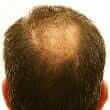
medical conditions
Hair Loss
Explore the available health information, treatment context, and integrative evidence for Hair Loss.
Evidence Ledger
Grades describe the evidence for Hair Loss relative to each listed condition or goal.
Toggle evidence section
Evidence and integrative options for Hair Loss
Background
- Hair disorders may occur when excessive amounts of hair grow or fall out. They may also occur if the hair lacks pigment in certain areas or if the hair becomes gray prematurely. These conditions can be temporary or permanent, depending on the cause.
- There are many potential causes of hair disorders, ranging from immune disorders and genetics to illnesses and medications. For many, abnormal hair loss or growth is not a major health concern, although some individuals may feel self conscious or have a difficult time coping with their appearances. Sometimes a hair disorder is a sign of an underlying health condition, such as a nutrient deficiency, a hormonal disorder (such as an adrenal disorder), metabolic disturbances, or a fungal infection of the scalp.
- In healthy individuals, hair of varying length and thickness grows all over the body except for the palms of the hands, soles of the feet, and lips. Most of the hairs on the scalp do not grow individually. Instead, they grow in clusters, called follicular units, of 1-5 hairs. Each hair has its own oil gland.
- It generally takes about four months for healthy hair (on the head) to grow one inch. Most hairs on the head grow 4-6 years before falling out. In contrast, hair on the arms, legs, eyelashes, and eyebrows only grows for about 30-45 days, which is the hair is so much shorter than the hair on the scalp.
- It is normal for some hair to fall out each day. It is estimated that adults lose 50-150 hairs on the head each day. Once a hair falls out, new hair grows in its place. Hair growth may be less noticeable in patients with curly hair or in people with lighter-colored hair. As individuals age, most people experience hair thinning or loss. It is also common for the hair to become gray or white and dry, coarse, and/or wiry.
Prevention
- There is currently no known method of prevention of alopecia areata, androgenetica alopecia, or hair loss that is caused by aging.
- Patients who are concerned that certain medications may lead to hair loss should talk to their healthcare providers. It may be possible for the patient to take a different drug or dose of the medication to prevent or reduce symptoms of hair loss.
- Patients should maintain healthy and well-balanced diets because poor nutrition may lead to temporary hair loss.
- Patients using hair treatments, such as hair dye, should do so with caution.
- Most cases of hirsutism cannot be prevented. However, women with polycystic ovary syndrome can reduce their risk of developing the disorder by properly managing obesity and preventing insulin resistance.
References
Natural Standard developed the above evidence-based information based on a thorough systematic review of the available scientific articles. For comprehensive information about alternative and complementary therapies on the professional level, go to www.naturalstandard.com. Selected references are listed below.
- American Academy of Dermatology. . Accessed April 1, 2009.
- American Hair Loss Association. . Accessed April 1, 2009.
- Dawber RP. Guidance for the management of hirsutism. Curr Med Res Opin. 2005 Aug;21(8):1227-34. View Abstract
- Hair Loss Information Center. . Accessed April 1, 2009.
- Heid E, Bekkali A, Lazrak B, et al. [Neurofibroma, poliosis and vitiligo.] [Article in French.] Ann Dermatol Venereol. 1978 Jun-Jul;105(6-7):645-6. View Abstract
- Natural Standard: The Authority on Integrative Medicine. . Copyright © 2009. Accessed April 1, 2009.
- [No authors listed.] Does eflornithine help women face hirsutism? Drug Ther Bull. 2007 Aug;45(8):62-4. View Abstract
- Shapiro J, Lui H. Treatments for unwanted facial hair. Skin Therapy Lett. 2005 Dec-2006 Jan;10(10):1-4. View Abstract
- Sperling LC. Hair and systemic disease. Dermatol Clin. 2001 Oct;19(4):711-26, ix. View Abstract
- Stander H, Traupe H. [Hair loss. A review of possible causes.] [Article in German.] Med Monatsschr Pharm. 2000 Oct;23(10):316-22. View Abstract