
- Magnesium : Intravenous magnesium sulfate (MgSO4) is commonly administered in cases of preeclampsia and eclampsia. MgSO4 is a superior drug for the prevention of the recurrence of seizures in eclampsia and in seizure prevention in preeclampsia.
- A common but not serious side effect of MgSO4 therapy is flushing. Use cautiously in patients with bleeding disorders, or in those taking anticoagulants or antiplatelet agents, antidiabetic agents, or antihypertensive agents. Use intravenous magnesium sulfate with extreme caution in patients with eclampsia. Avoid in patients with atrioventricular heart block, renal failure, or severe renal disease. Avoid intravenous magnesium in women with toxemia during the first few hours of labor.
- Omega-3 fatty acids : Omega-3 fatty acids are essential fatty acids found in some plants and fish. There should be a balance of omega-6 and omega-3 fatty acids for health. Multiple human trials report small reductions in blood pressure with intake of omega-3 fatty acids. DHA, or docosahexaenoic acid, may have greater benefits than EPA, or eicosapentaenoic acid. However, high intakes of omega-3 fatty acids per day may be necessary to obtain clinically relevant effects, and at this dose level, there is an increased risk of bleeding. There is strong scientific evidence from human trials that omega-3 fatty acids from fish or fish oil supplements significantly reduce cholesterol levels, which may also help patients with hypertension.
- Omega-3 supplements can cause an increase in bleeding in susceptible individuals including those taking blood thinning medications such as warfarin (Coumadin®). Avoid if allergic or hypersensitive to fish, omega-3 fatty acid products that come from fish, nuts, linolenic acid, or omega-3 fatty acid products that come from nuts. Use cautiously before surgery. Pregnant and breastfeeding women should not consume doses that exceed the recommended dietary allowance (RDA).
- Yoga : Yoga is an ancient system of relaxation, exercise, and healing with origins in Indian philosophy over 2,000 years ago. Several human studies support the use of yoga in the treatment of high blood pressure (hypertension) when practiced for up to one year. It is not clear if yoga is better than other forms of exercise for blood pressure control. Yoga practitioners sometimes recommend that patients with high blood pressure avoid certain positions, such as headstands or shoulder stands (inverted asanas), which may increase blood pressure.
- Yoga is generally considered to be safe in healthy individuals when practiced appropriately. Avoid some inverted poses with disc disease of the spine, fragile or atherosclerotic neck arteries, extremely high or low blood pressure, glaucoma, detachment of the retina, ear problems, severe osteoporosis, cervical spondylitis, or if at risk for blood clots. Certain yoga breathing techniques should be avoided with heart or lung disease. Use cautiously with a history of psychotic disorders. Yoga techniques are believed to be safe during pregnancy and breastfeeding when practiced under the guidance of expert instruction. However, poses that put pressure on the uterus, such as abdominal twists, should be avoided in pregnancy.
- Calcium : Calcium is the most abundant mineral in the human body. Several studies have found that calcium may have hypotensive (blood pressure lowering) effects. These studies indicate that high calcium levels lead to sodium loss in the urine, and lowered parathyroid hormone (PTH) levels, both of which result in the lowering of blood pressure. However, one study found that these results did not hold true for middle-aged patients with mild to moderate essential hypertension. In the DASH (Dietary Approaches to Stop Hypertension) study, three servings per day of calcium enriched low-fat dairy products reduced systolic and diastolic blood pressure. This research indicates that a calcium intake at the recommended level may be helpful in preventing and treating moderate hypertension. Treatment of hypertension should only be done under supervision of a qualified healthcare professional.
- Avoid if allergic or hypersensitive to calcium or lactose. High doses taken by mouth may cause kidney stones. Avoid with high levels of calcium in the blood, high levels of calcium in urine, hyperparathyroidism (overgrowth of the parathyroid glands), bone tumors, digitalis toxicity, ventricular fibrillation (rapid, irregular twitching of heart muscle), kidney stones, kidney disease, or sarcoidosis (inflammatory disease). Calcium supplements made from dolomite, oyster shells, or bone meal may contain unacceptable levels of lead. Use cautiously with achlorhydria or irregular heartbeat. Calcium appears to be safe in pregnant or breastfeeding women. A healthcare provider should be consulted to determine appropriate dosing during pregnancy and breastfeeding.
- Coenzyme Q10 (CoQ10)Â : Coenzyme Q10 (CoQ10) is produced by the human body and is necessary for the basic functioning of cells. CoQ10 levels are reported to decrease with age and to be low in patients with some chronic diseases such as heart conditions, muscular dystrophies, Parkinson's disease, cancer, diabetes, and HIV/AIDS. Some prescription drugs may also deplete CoQ10 levels, such as HMG Co-A inhibitors, or statin drugs, for high cholesterol. Preliminary research suggests that CoQ10 causes small decreases in blood pressure (systolic and possibly diastolic). Low blood levels of CoQ10 have been found in people with hypertension, although it is not clear if CoQ10 deficiency is a cause of high blood pressure. Well-designed long-term research is needed.
- Allergies associated with Coenzyme Q10 supplements have not been reported in the available literature. However, rash and itching have been reported rarely. Stop use two weeks before and immediately after surgery/dental/diagnostic procedures with bleeding risks. Use cautiously with a history of blood clots, diabetes, high blood pressure, heart attack, or stroke. Use cautiously if taking anticoagulants (blood thinners) or anti-platelet drugs, blood pressure drugs, blood sugar drugs, cholesterol drugs, or thyroid drugs. Avoid if pregnant or breastfeeding.
- Hibiscus : Hibiscus (Hibiscus spp.) has been used for centuries by Ayurvedic (Hindu) and Chinese medical practitioners. Human studies have shown that extracts of hibiscus may lower systolic and diastolic pressure. In one study, hibiscus standardized extract worked as well as captopril (Capoten®), a commonly used angiotensin converting enzyme (ACE) inhibitor, in lowering blood pressure. Additional high-quality studies comparing hibiscus to placebo are needed to confirm these results, although the use of hibiscus for hypertension looks promising. Caution is advised when taking hibiscus, as numerous adverse effects including diuresis (increased excretion of fluid) can occur.
- Avoid if allergic or hypersensitive to hibiscus, its constituents, or members of the Malvaceae family. Use cautiously with hypertension or hypotension. Hibiscus rosa-sinensis has exhibited antifertility activity, and the benzene extract of the flower petals may suppress implantation. Use cautiously if pregnant or trying to get pregnant, or breastfeeding.
- Meditation : Various forms of meditation have been practiced for thousands of years throughout the world. In general, it appears that regular practice of meditation may promote relaxation and reduce blood pressure. More research is needed before recommendations can be made. However, meditation can be recommended, in addition to healthy diet and exercise, for the prevention (versus treatment) of hypertension.
- Use cautiously with underlying mental illnesses. People with psychiatric disorders should consult with their primary mental healthcare professionals before starting a program of meditation and should explore how meditation may or may not fit in with their current treatment plans. Avoid with risk of seizures. The practice of meditation should not delay the time to diagnose or treat the condition with more proven techniques or therapies. Meditation should not be used as the sole approach to illnesses.
- Qi gong : Qi gong is a type of Traditional Chinese Medicine (TCM) that is thought to be at least 4,000 years old. There are two main types of Qi gong practice: internal and external. Internal Qi gong is a self-directed technique that involves the use of sounds, movements, and meditation. Internal Qi gong actively engages people in their own health and well-being, and can be performed with or without the presence of a Master instructor. It may be practiced daily to promote health maintenance and disease prevention. Several human trials suggest benefits of Qi gong in the treatment of high blood pressure, particularly when added to conventional treatments such as prescription drugs. There is early evidence that there may be lower death rates in people with high blood pressure who practice Qi gong. Some studies report that high blood pressure associated with pregnancy may be partially controlled through internal Qi gong relaxation exercises. Although this research is promising, a major problem is that the way Qi gong is practiced is not always clear in these studies, and may not be similar to the way Qi gong is practiced in the community.
- Qi gong is generally considered to be safe in most people when learned from a qualified instructor. Use cautiously with psychiatric disorders.
- Stevia : Stevia (Stevia rebaudiana) standardized extracts are used as natural sweeteners and dietary supplements. Stevioside is a natural plant component isolated from stevia that has demonstrated blood pressure lowering effects. Despite evidence of benefits in some human studies and support from laboratory and animal studies, more research is warranted to compare stevia's effectiveness for hypertension with the current standard of care.
- Caution is advised when taking stevia, as numerous adverse effects including blood sugar lowering have been observed. Stevia should not be used if pregnant or breastfeeding, unless otherwise directed by a doctor.
- Acupressure, Shiatsu : The practice of applying finger pressure to specific acupoints throughout the body has been used in China since 2000 BC, prior to the use of acupuncture. Acupressure techniques are widely practiced internationally for relaxation, wellness promotion, and the treatment of various health conditions. Small studies in men and women report that acupressure may reduce blood pressure. Study results on the effect of acupressure on heart rate have yielded mixed results. Large, well-designed studies are needed to better understand the role of acupressure in treatment of hypertension.
- With proper training, acupressure appears to be safe if self-administered or administered by an experienced therapist. No serious long-term complications have been reported, according to scientific data. Hand nerve injury and herpes zoster ("shingles") cases have been reported after shiatsu massage. Forceful acupressure may cause bruising.
- Acupuncture : The practice of acupuncture originated in China 5,000 years ago. Today it is widely used throughout the world and is one of the main pillars of Chinese medicine. It involves the insertion of needles in various point of the body to help move the "chi" or energy. Although used for centuries to lower blood pressure, human trials are lacking. More studies are needed to determine what can be expected in the use of acupuncture for hypertension.
- Needles must be sterile in order to avoid disease transmission. Avoid with valvular heart disease, infections, bleeding disorders, medical conditions of unknown origin, or neurological disorders. Avoid if taking drugs that increase the risk of bleeding (e.g. anticoagulants). Avoid on areas that have received radiation therapy and during pregnancy. Use cautiously with pulmonary disease (e.g. asthma or emphysema). Use cautiously in elderly or medically compromised patients, diabetics, or with history of seizures. Avoid electroacupuncture with arrhythmia (irregular heartbeat) or in patients with pacemakers because therapy may interfere with the device.
- Acustimulation : Acustimulation is the mild electrical stimulation of acupuncture points to control symptoms such as nausea and vomiting. A low intensity electrical current is used to penetrate just slightly below the surface of the skin. It may be delivered by acupuncture needles attached to electrodes or, more commonly, by battery-powered appliances that can be worn on the body (touching the surface of the skin). Acustimulation has been examined in the treatment of high blood pressure in one small study of patients diagnosed with diastolic hypertension. A set of four different acupuncture points were used, with results showing an immediate reduction of diastolic blood pressure. At this time, the evidence is insufficient for use of acustimulation in high blood pressure.
- A known side effect of acustimulation devices is slight skin irritation under the electrodes when the wristband is used. Switch wrists to prevent this from happening. Acustimulation devices should only be used on the designated area. Use cautiously with pacemakers. Avoid if the cause of medical symptoms is unknown. Keep acustimulation devices out of the reach of children.
- American hellebore : American hellebore is a plant native to the swampy areas and moist meadows of the eastern and western United States. Compounds found in American hellebore have been used to treat hypertension and pre-eclampsia, however other herbs and prescription drugs that can treat this condition have fewer toxic side effects. Additional study is needed in this area.
- Avoid if allergic or hypersensitive to American hellebore, plants in the lily family (Liliaceae), or any related species of Veratrum. Use cautiously with cardiovascular disease, cardiac dysfunction, arrhythmias, hemodynamic instability, or compromised kidney function. Use cautiously if taking drugs that are excreted by the kidneys, diuretics, asthma medications, or blood pressure medications. Avoid if pregnant or breastfeeding.
- L-arginine : L-arginine, or arginine, is considered a semi-essential amino acid, because although it is normally synthesized in sufficient amounts by the body, supplementation is sometimes required. A small study suggests that arginine taken by mouth may dilate the arteries and temporarily reduce high blood pressure in hypertensive patients with type 2 diabetes. Larger, high-quality studies are needed. Early study suggests that long-term supplementation with L-arginine may decrease blood pressure that is too high in pregnant women. Arginine may also improve fetal health and growth during pre-eclampsia. Further research is needed to confirm these results.
- L-arginine is generally safe in recommended dosages. Avoid with known allergy or hypersensitivity to arginine. Use cautiously with peripheral vascular disease, high blood pressure, alcohol-induced liver cirrhosis, or diabetes. Use cautiously in low birth weight infants and individuals on hemodialysis. Use cautiously if taking anticoagulants (blood thinners), beta-blockers, or calcium channel blockers. Avoid if pregnant or breastfeeding.
- Ayurveda : Ayurveda is a form of natural medicine that originated in ancient India more than 5,000 years ago. Ayurveda is an integrated system of techniques that uses diet, herbs, exercise, meditation, yoga, and massage or bodywork to achieve optimal health on all levels. In India, Ayurveda involves the eight principal branches of medicine: pediatrics, gynecology, obstetrics, ophthalmology, geriatrics, otolaryngology (ear, nose, and throat), general medicine, and surgery. Evidence indicates that Ayurveda's comprehensive purification and detoxification regime, known as panchakarma, in heart disease patients may lead to increased VIP (a vasodilator), acute reduction in total cholesterol, reduction in lipid peroxide (a measure of free radical damage), and a significant reduction in anxiety. Abana is a combination herbal and mineral formulation that has been traditionally used in Ayurveda for heart health. Early studies show that abana may be of benefit for high blood pressure. Further research is needed to confirm these results.
- Ayurvedic herbs can interact with other herbs, foods, and drugs. A qualified healthcare professional should be consulted before taking. Ayurvedic herbs should be used cautiously because they are potent and some constituents can be potentially toxic if taken in large amounts or for a long time. Some herbs imported from India have been reported to contain high levels of toxic metals. Avoid Ayurveda with traumatic injuries, acute pain, advanced disease stages, and medical conditions that require surgery.
- Beta glucan : Beta-glucan is a soluble fiber derived from the cell walls of algae, bacteria, fungi, yeast, and plants. It is commonly used for its cholesterol-lowering effects. A study found that the addition of oat cereals to the normal diet of patients with hypertension significantly reduces both systolic and diastolic blood pressure. Soluble fiber-rich whole oats may be an effective dietary therapy in the prevention and adjunct treatment of hypertension.
- Beta-glucan has a Generally Regarded as Safe (GRAS) status in the United States. Avoid if allergic or hypersensitive to beta-glucan. When taken by mouth, beta-glucans are generally considered safe. Use cautiously with AIDS or AIDS-related complex (ARC). Avoid using particulate beta-glucan. Avoid if pregnant or breastfeeding.
- Calcium : For the general population, meeting current recommendations for calcium intake during pregnancy may help prevent pregnancy-induced high blood pressure (PIH). Further research is required to determine whether women at high risk for PIH would benefit from calcium supplementation above the current recommendations. Treatment of high blood pressure should only be done under supervision of a qualified healthcare professional.
- Avoid if allergic or hypersensitive to calcium or lactose. High doses taken by mouth may cause kidney stones. Avoid with high levels of calcium in the blood, high levels of calcium in urine, hyperparathyroidism (overgrowth of the parathyroid glands), bone tumors, digitalis toxicity, ventricular fibrillation (rapid, irregular twitching of heart muscle), kidney stones, kidney disease, or sarcoidosis (inflammatory disease). Calcium supplements made from dolomite, oyster shells, or bone meal may contain unacceptable levels of lead. Use cautiously with achlorhydria or irregular heartbeat. Calcium appears to be safe in pregnant or breastfeeding women. Talk to a healthcare provider to determine appropriate dosing during pregnancy and breastfeeding.
- Chiropractic : Chiropractic is a healthcare discipline that focuses on the relationship between musculoskeletal structure (primarily the spine) and body function (as coordinated by the nervous system), and how this relationship affects the preservation and restoration of health. Manipulation involves the hands-on application of a physical therapy. The effects of spinal manipulative techniques on high blood pressure remain controversial. It has been hypothesized that nervous system effects of spinal manipulation can lower both systolic and diastolic pressure. Numerous trials, reviews, and commentaries have been published in this area. Although some studies are suggestive, overall the existing evidence remains debatable. Better research is necessary before a firm conclusion can be drawn.
- Use extra caution during cervical adjustments. Use cautiously with acute arthritis, conditions that cause decreased bone mineralization, brittle bone disease, bone softening conditions, bleeding disorders, and migraines. Use cautiously with the risk of tumors or cancers. Avoid with symptoms of vertebrobasilar vascular insufficiency, aneurysms, unstable spondylolisthesis, or arthritis. Avoid if taking drugs that increase the risk of bleeding. Avoid in areas of para-spinal tissue after surgery. Avoid if pregnant or breastfeeding due to a lack of scientific data.
- Chlorella : Ingestion of chlorella may somewhat reduce blood pressure in hypertensive patients. As the results of available studies are not significant, chlorella cannot be recommended for hypertension at this time.
- Avoid in patients with known allergy/hypersensitivity to chlorella, its constituents, mold, or members of the Oocystaceae family. Avoid in patients using warfarin or other anticoagulant therapy. Use cautiously in patients with hypotension or taking antihypertensives. Use cautiously in patients taking immunomodulators or with altered immune function, or cancer. Use cautiously in patients with photosensitivity, taking photosensitizers, or exposed to the sun.
- Color therapy : In humans, color therapy has been studied as a possible treatment for hypertension. Further research is needed before a recommendation can be made.
- Color therapy is generally considered safe. Exposure to bright light may cause eye injury, such as retinopathy. Strobe lights may cause seizures in susceptible individuals. Avoid during pregnancy and breastfeeding.
- Evening primrose oil : Evening primrose oil is proposed to have effects on chemicals in the blood called prostaglandins, which may play a role in pre-eclampsia. However, more studies are needed before a firm conclusion can be drawn.
- Avoid if allergic to plants in the Onagraceae family (e.g. willow's herb or enchanter's nightshade) or gamma-linolenic acid. Avoid with seizure disorders. Use cautiously with mental illness drugs. Stop use two weeks before surgery with anesthesia. Avoid if pregnant or breastfeeding.
- Flaxseed : Flaxseed (Linum usitatissimum) and its derivative flaxseed oil/linseed oil are rich sources of the essential fatty acid alpha-linolenic acid, which makes omega-3 essential fatty acids in the body. Omega-3 fatty acids have been associated with a decreased risk of heart disease. In animals, diets high in flaxseed have mixed effects on blood pressure. One study in humans suggests that for hypertension, flaxseed, not flaxseed oil, might lower blood pressure. The evidence in this area is not clear, and more research is needed.
- Flaxseed has been well-tolerated in studies for up to four months. Avoid if allergic to flaxseed, flaxseed oil, or other plants of the Linaceae family. Avoid with prostate cancer, breast cancer, uterine cancer, or endometriosis. Avoid ingestion of immature flaxseed pods. Avoid large amounts of flaxseed by mouth and mix with plenty of water or liquid. Avoid flaxseed (not flaxseed oil) with a history of esophageal stricture, ileus (loss of bowel motility), gastrointestinal stricture or bowel obstruction. Avoid with a history of acute or chronic diarrhea, irritable bowel syndrome, diverticulitis (bowel inflammation), or inflammatory bowel disease. Avoid topical flaxseed in open wounds or abraded skin surfaces. Use cautiously with a history of a bleeding disorders, high triglyceride levels, diabetes, mania, seizures, or asthma. Use cautiously if taking drugs that increase the risk of bleeding or nonsteroidal anti-inflammatory drugs (NSAIDs). Avoid if pregnant or breastfeeding.
- Folate (folic acid)Â : Study results are inconclusive on the use of folate in patients with high blood pressure associated with pregnancy. Further research is needed in this area before a strong recommendation can be made.
- Avoid if allergic to folate or any folate product ingredients. It is recommended that pregnant women consume 400 micrograms daily in order to reduce the risk of fetal defects. Folate is likely safe if breastfeeding.
- Gamma linolenic acid (GLA)Â : GLA is an omega-6 essential fatty acid. Preliminary study has investigated GLA on blood pressure changes. The evidence suggests that GLA may offer benefits in terms of blood pressure reduction; however, better-designed trials are required before definite conclusions can be made for the use of GLA for blood pressure control. A study of GLA plus fish oil suggests there is a potential for benefit of edema (sweeling) in pregnancy. Clinical trials investigating the effects of GLA alone is required to better understand its specific effects for pre-eclampsia.
- Caution is advised when taking GLA supplements, as numerous adverse effects including an increased risk of bleeding and drug interactions are possible. GLA should not be used if pregnant or breastfeeding, unless otherwise directed by a doctor.
- Garlic : Garlic (Allium sativum) is traditionally used for heart health. Numerous human studies report that garlic can lower blood pressure by a small amount, but larger, well-designed studies are needed to confirm the benefits of garlic for patients with hypertension.
- Avoid if allergic or hypersensitive to garlic or other members of the Lilaceae (lily) family (e.g. hyacinth, tulip, onion, leek, or chive). Avoid with a history of bleeding problems, asthma, diabetes, low blood pressure or thyroid disorders. Stop using supplemental garlic two weeks before and immediately after dental/surgical/diagnostic procedures with bleeding risks. Avoid in supplemental doses if pregnant or breastfeeding.
- Ginseng : Asian ginseng, or Panax ginseng, has been used for more than 2,000 years in Chinese medicine for various health conditions. Preliminary research suggests that ginseng may lower blood pressure (systolic and diastolic). However, it is not clear what doses may be safe or effective. Well-conducted studies are needed to confirm the effects of ginseng on hypertension.
- Caution is advised when taking ginseng supplements, as adverse effects including drug interactions are possible. Ginseng supplements should not be used if pregnant or breastfeeding, unless otherwise directed by a doctor.
- Green tea : Green tea is made from the dried leaves of Camellia sinensis, a perennial evergreen shrub. Green tea has a long history of use, dating back to China approximately 5,000 years ago. Green tea, black tea, and oolong tea are all derived from the same plant, just processed differently. Green tea is considered cardioprotective, or helps protect the heart from disease and may be of benefit for patients with hypertension. Green tea helps protect blood vessels from injury, and has been reported in laboratory studies to lower blood pressure.
- Healthcare professionals recommend using caffeine-free supplements when using in people with hypertension. Avoid if allergic or hypersensitive to caffeine or tannins. Use cautiously with diabetes or liver disease.
- Hawthorn : Hawthorn, a flowering shrub of the rose family, has an extensive history of use for heart disease, dating back to the first century. Studies in patients with type 2 diabetes support the historic use of hawthorn to lower blood pressure. More studies are needed before strong recommendations may be made for patients with hypertension.
- Avoid if allergic to hawthorn or Crataegus species. Avoid with a history of low blood pressure, irregular heartbeat, asthma, low blood pressure when standing, or insomnia. Use cautiously in elderly patients. Avoid if pregnant or breastfeeding.
- Honey : Currently, there is preliminary evidence that suggests benefit in the use of honey in the treatment of hypertension. Additional study is needed to make a firm recommendation.
- Avoid if allergic or hypersensitive to honey, pollen, celery, or bees. Honey is generally considered safe in the recommended doses. Avoid honey from the genus Rhododendron because it may cause a toxic reaction. Avoid in infants younger than 12 months of age. Use cautiously if taking antibiotics. Potentially harmful contaminants (e.g. C. botulinum or grayanotoxins) can be found in some types of honey and should be used cautiously if pregnant or breastfeeding.
- Hypnosis, hypnotherapy : Hypnosis is a trance-like state in which a person becomes more aware and focused and is more open to suggestion. Hypnotherapy has been used to treat health conditions or to change behaviors. Early study suggests that hypnosis may have short and long-term effects for patients with mild high blood pressure. Additional research is needed to confirm these findings.
- Use cautiously with mental illnesses (e.g. psychosis, schizophrenia, manic depression, multiple personality disorder, or dissociative disorders) or seizure disorders.
- Iridology : Iridology is the study of the iris (colored part of the eye) with the intention of gaining information about underlying diseases. Iridologists believe that the degrees of light and darkness in the iris give clues to the body's general health. Preliminary studies by a South Korean team of researchers using a computerized approach suggest that iridology may assist in the identification of individual predispositions for vascular diseases such as hypertension. Further research is needed to confirm the effectiveness of iridology as a diagnostic tool for hypertension, and further teams of researchers would need to conduct parallel work in order for these methods to become validated.
- Iridology should not be used alone to diagnose disease. Studies of iridology have reported incorrect diagnoses, and thus, potentially severe medical problems may go undiagnosed. In addition, research suggests that iridology may lead to inappropriate treatment. Iridology is therefore not recommended as a sole method of diagnosis or treatment for any condition.
- Lutein : Lutein and zeaxanthin are found in high levels in foods, such as green vegetables, egg yolk, kiwi fruit, grapes, orange juice, zucchini, squash, and corn. Preliminary evidence suggests that pre-eclampsia risk may decrease with increasing concentrations of lutein. Additional human studies are needed before a firm recommendation can be made.
- Avoid if allergic or hypersensitive to lutein or zeaxanthin. Use cautiously if at risk for cardiovascular disease or cancer. Avoid if pregnant or breastfeeding.
- Lycopene : Lycopene is a carotenoid, which is a naturally occurring class of fat-soluble pigments (coloring) found mainly in plants and algae. Lycopene is present in human serum, liver, adrenal glands, lungs, prostate, colon, and skin at higher levels than other carotenoids. There is some evidence that short-term treatments of lycopene may reduce blood pressure. Lycopene may also reduce the development of pre-eclampsia and intrauterine growth retardation in women having their first child. More research is needed, especially to examine the long-term effects of lycopene in patients with high blood pressure.
- Avoid if allergic to tomatoes or to lycopene. Due to a lack of conclusive data, avoid if pregnant or breastfeeding.
- Magnesium : Controversy exists whether oral magnesium (Mg) supplementation can lower blood pressure in patients with mild to moderate hypertension or prevent the onset of hypertension. Several studies have reported a small but not significant decrease in blood pressure with Mg. Further research is indicated for the use of Mg in the treatment of hypertension.
- Use cautiously in patients with bleeding disorders, or in those taking anticoagulants or antiplatelet agents, antidiabetic agents, or antihypertensive agents. Use intravenous magnesium sulfate with extreme caution in patients with eclampsia. Avoid in patients with atrioventricular heart block, renal failure, or severe renal disease. Avoid intravenous magnesium in women with toxemia during the first few hours of labor.
- Massage : Various forms of therapeutic superficial tissue manipulation have been practiced for thousands of years across cultures. Chinese use of massage dates to 1600 BC, and Hippocrates made reference to the importance of physicians being experienced with "rubbing" as early as 400 BC. Based on early study, massage may decrease blood pressure in patients with hypertension. More high-quality studies are needed.
- Avoid with bleeding disorders, low platelet counts, or if taking blood-thinning medications (such as heparin or warfarin/Coumadin®). Areas should not be massaged where there are fractures, weakened bones from osteoporosis or cancer, open/healing skin wounds, skin infections, recent surgery, or blood clots. Use cautiously with history of physical abuse or if pregnant or breastfeeding. Massage should not be used as a substitute for more proven therapies for medical conditions. Massage should not cause pain to the client.
- Melatonin : Melatonin is a hormone produced in the brain by the pineal gland, from the amino acid tryptophan. The synthesis and release of melatonin are stimulated by darkness and suppressed by light, suggesting the involvement of melatonin in circadian rhythm and regulation of diverse body functions. Levels of melatonin in the blood are highest prior to bedtime. Synthetic melatonin supplements have been used for a variety of medical conditions, most notably for disorders related to sleep and as an antioxidant. Several controlled studies in patients with hypertension report small reductions in blood pressure when taking melatonin by mouth (orally) or inhaled through the nose (intranasally). Better-designed research is necessary before a firm conclusion can be reached.
- Caution is advised when taking melatonin, as adverse effects including drowsiness and drug interactions are possible. Melatonin should not be used if pregnant or breastfeeding, unless otherwise directed by a doctor. Melatonin is for short-term use only (one to two weeks).
- Omega-3 fatty acids : Several studies of fish oil do not provide enough reliable evidence for use of this supplement for pre-eclampsia.
- Avoid if allergic or hypersensitive to fish, omega-3 fatty acid products that come from fish, nuts, linolenic acid, or omega-3 fatty acid products that come from nuts. Avoid during active bleeding. Use cautiously with bleeding disorders, diabetes, low blood pressure or drugs, herbs or supplements that treat any such conditions. Use cautiously before surgery. Pregnant and breastfeeding women should not consume doses that exceed the recommended dietary allowance (RDA).
- Onion : Onion-olive oil capsules may help lower blood pressure. High quality clinical research is needed to confirm the effectiveness of onion for treatment of hypertension.
- Avoid if allergic or hypersensitive to onion (Allium cepa), its constituents, or members of the Lilaceae family. Use cautiously with hematologic (blood) disorders, diabetes, hypoglycemia (low blood sugar), and hypotension (low blood pressure). Use cautiously if taking anticoagulants or antiplatelets (blood thinners). Avoid medicinal doses if pregnant or breastfeeding.
- Peony : Studies in humans have used peony for the treatment of high blood pressure that occurs during pregnancy (gestational hypertension). More evidence is needed in this area.
- Avoid if allergic or sensitive to peony. Avoid with bleeding disorders or if taking drugs, herbs, or supplements that increase bleeding risk. Use cautiously with estrogen-sensitive cancers or if taking drugs, herbs, or supplements with hormonal activity. Avoid if pregnant or breastfeeding.
- Pet therapy : Animal companionship has been used as an informal source of comfort and relief of suffering across cultures throughout history. There is evidence that pet ownership may have additive value in patients with hypertension who are taking conventional blood pressure medication.
- Avoid if allergic to animal dander. Use only animals that have had veterinary screening, particularly in situations involving young children, frail elderly patients, or patients who are immuno-compromised or with medical conditions making them vulnerable to infection. Avoid unsupervised use of animals with the severely mentally ill and very young children. Avoid with fear of animals or traumatic history with animals.
- Physical therapy : The goal of physical therapy, or physiotherapy, is to improve mobility, restore function, reduce pain, and prevent further injury. There is insufficient available evidence regarding the use of physical therapy for hypertension. Additional research is needed.
- Not all physical therapy programs are suited for everyone, and patients should discuss their medical history with their qualified healthcare professionals before beginning any treatments. Based on the available literature, physical therapy appears generally safe when practiced by a qualified physical therapist; however, complications are possible. Persistent pain and fractures of unknown origin have been reported. Physical therapy may increase the duration of pain or cause limitation of motion. Pain and anxiety may occur during the rehabilitation of patients with burns. Both morning stiffness and bone erosion have been reported in the literature, although causality is unclear. Erectile dysfunction has also been reported. All therapies during pregnancy and breastfeeding should be discussed with a licensed obstetrician/gynecologist before initiation.
- Pomegranate : Pomegranate juice may lower blood pressure in patients with hypertension. Additional research is needed in this area.
- Avoid if allergic or hypersensitive to pomegranate. Avoid with diarrhea or high or low blood pressure. Avoid taking pomegranate fruit husk with oil or fats to treat parasites. Pomegranate root/stem bark should only be used under supervision of a qualified healthcare professional. Use cautiously with liver damage or disease. Pomegranate supplementation can be unsafe during pregnancy when taken by mouth. The bark, root, and fruit rind can cause menstruation or uterine contractions. Avoid if breastfeeding due to a lack of scientific data.
- Prayer, distant healing : Initial studies in patients with heart disease report variable effects on severity of illness, complications during hospitalization, procedure outcome, or death rates when intercessory prayer is used. Initial study of intercessory prayer has not reported a reduction in blood pressure in patients with hypertension. Better research is necessary before a firm conclusion can be drawn.
- Prayer is not recommended as the sole treatment approach for potentially serious medical conditions and should not delay the time it takes to consult with a healthcare professional or receive established therapies.
- Pycnogenol : Pycnogenol® is the patented trade name for a water extract of the bark of the French maritime pine (Pinus pinaster spp. atlantica), which is grown in coastal south-west France. Use of Pycnogenol® may reduce the need for nifedipine (Procardia®) and decrease systolic blood pressure in patients with high blood pressure (hypertension). Further research is needed to confirm these results.
- Avoid if allergic/hypersensitive to pycnogenol, its components, or members of the Pinaceae family. Use cautiously with diabetes, hypoglycemia (low blood sugar), or bleeding disorders. Use cautiously if taking hypolipidemics (cholesterol-lowering medications), medications that may increase the risk of bleeding, hypertensive (high blood pressure) medications, or immune stimulating or inhibiting drugs. Avoid if pregnant or breastfeeding.
- Reishi mushroom : Reishi (Ganoderma lucidum) is a fungus (mushroom) that grows wild on decaying logs and tree stumps. Reishi has been used in traditional Chinese medicine for more than 4,000 years to treat liver disorders, high blood pressure, arthritis and other ailments. Preliminary data suggest that reishi may exert a blood pressure lowering effect; however, currently available evidence in this area is weak. Future studies are warranted to validate the results of these small studies and to provide clinical usefulness of reishi as a possible treatment for high blood pressure.
- Caution is advised when taking reishi supplements, as adverse effects including an increase in bleeding and drug interactions are possible. Reishi supplements should not be used if pregnant or breastfeeding, unless otherwise directed by a doctor.
- Relaxation therapy : Relaxation techniques include behavioral therapeutic approaches that differ widely in philosophy, methodology, and practice. The primary goal is usually non-directed relaxation. Relaxation techniques have been associated with reduced pulse rate, systolic blood pressure, diastolic blood pressure, lower perception of stress, and enhanced perception of health. Further research is needed to confirm the effectiveness of relaxation therapy for high blood pressure.
- Avoid with psychiatric disorders such as schizophrenia/psychosis. Jacobson relaxation (flexing specific muscles, holding that position, and then relaxing the muscles) should be used cautiously with illnesses, such as heart disease, high blood pressure, or musculoskeletal injury. Relaxation therapy is not recommended as the sole treatment approach for potentially serious medical conditions and should not delay the time to diagnosis or treatment with more proven techniques.
- Rhubarb : Chinese herbalists have relied on rhubarb (Rheum palmatum) for thousands of years. The rhizomes and roots contain powerful anthraquinones (components with laxative properties) and tannins (components that tonify tissue). Studies on rhubarb's effect on pre-eclampsia indicate that it may be a helpful treatment to decrease blood pressure. More high quality trials are needed to confirm this hypothesis.
- Avoid if allergic/hypersensitive to rhubarb, its constituents, or related plants from the Polygonaceae family. Avoid using rhubarb for more than two weeks because it may induce tolerance in the colon, melanosis coli, laxative dependence, pathological alterations to colonic smooth muscles, and substantial loss of electrolytes. Avoid with atony, colitis, Crohn's disease, dehydration with electrolyte depletion, diarrhea, hemorrhoids, insufficient liver function, intestinal obstruction or ileus, irritable bowel syndrome, menstruation, pre-eclampsia, kidney disorders, ulcerative colitis, or urinary problems. Avoid handling rhubarb leaves, as they may cause contact dermatitis. Avoid rhubarb in children younger than age 12 due to water depletion. Use cautiously with bleeding disorders, cardiac conditions, coagulation therapy, constipation, or with a history of kidney stones or thin or brittle bones. Use cautiously if taking anti-psychotic drugs or oral drugs, herbs, or supplements (including calcium, iron, and zinc). Avoid if pregnant or breastfeeding.
- Riboflavin : Riboflavin or vitamin B2 is a water-soluble vitamin, which is involved in vital metabolic processes in the body, and is necessary for normal cell function, growth, and energy production. Limited study has reported an association between low riboflavin levels and an increased risk of pre-eclampsia (high blood pressure in pregnancy). However, it is not clear if low riboflavin levels are a cause or consequence of this condition or if additional supplementation is warranted in pregnant women at risk of pre-eclampsia/eclampsia beyond the routine use of prenatal vitamins.
- Avoid if allergic or hypersensitive to riboflavin. Since the amount of riboflavin a human can absorb is limited, riboflavin is generally considered safe in recommended dosages. Riboflavin is generally regarded as safe during pregnancy and breastfeeding. The U.S. Recommended Daily Allowance (RDA) for riboflavin in pregnant women is higher than for non-pregnant women, and is 1.4 milligrams daily (1.6 milligrams for breastfeeding women).
- Rutin : Rutin is an antioxidant that naturally occurs in various plants (apple peels, black tea, rue, tobacco, and buckwheat). Quercetin (a flavonoid found in rutin) and rutin are used as vasoprotectants (blood vessel protective) and are ingredients of numerous multivitamin preparations and herbal remedies. The flavonoids found in rutin have documented effects on capillary permeability (leakage) and edema (swelling) and have been used for the treatment of disorders of the venous and microcirculatory (capillary) systems. Overall the results of clinical studies suggest a benefit of rutin for venous hypertension. Well-designed studies are required.
- Rutin is safe in recommended dosages. Nausea and stomach upset may occur. Avoid if allergic or hypersensitive to O-(beta-hydroxyethyl)-rutosides or plants that rutin is commonly found in, such as rue, tobacco, or buckwheat. Use cautiously in elderly patients. Use cautiously with skin conditions. Use cautiously if taking medications for edema, diuretics, or anticoagulation medications (e.g. heparin or warfarin). Use cautiously if pregnant or breastfeeding.
- Safflower : Based on preliminary evidence, safflower oil may be involved in synthesis of prostaglandins, which are responsible for vascular regulation and inflammatory responses and may affect blood pressure. However, clinical studies have shown that safflower oil ingestion decreases or does not affect blood pressure. Due to the conflicting evidence, additional study is needed to confirm the effects of safflower oil in patients with hypertension.
- Avoid if allergic/hypersensitive to safflower, Carthamus tinctorius, safflower oil, daisies, ragweed, chrysanthemums, marigolds, or any related constituents. Use parenteral safflower oil emulsions cautiously in newborns. Use cautiously if taking anticoagulants (blood thinners) or anti-platelet drugs, immunosuppressants, or pentobarbital. Use cautiously with diabetes, hypotension, inadequate liver function, hypercoagulability, or skin pigmentation conditions. Use cautiously if pregnant or breastfeeding.
- Sea buckthorn : Sea buckthorn (Hippophae rhamnoides) is found throughout Europe and Asia, particularly eastern Europe and central Asia. Early study has been conducted in patients with high blood pressure (hypertension). Additional clinical research is needed in this area.
- Avoid if allergic or hypersensitive to sea buckthorn, its constituents, or members of the Elaeagnaceae family. Use cautiously if taking angiotensin converting enzyme (ACE) inhibitors, anticoagulants, anti-platelet agents, antineoplastic agents, cyclophosphamide, or farmorubicin. Avoid higher doses than food amounts if pregnant or breastfeeding.
- Selenium : Selenium is a mineral found in soil, water, and some foods. Some studies have reported that low serum selenium levels may be related to increased blood pressure. Preliminary study in women with pregnancy-induced hypertension has reported reduced edema, without significant impact on birth outcomes. No clear conclusion can be drawn for use of selenium for hypertension or pre-eclampsia in the absence of additional well-designed research.
- Avoid if allergic or hypersensitive to products containing selenium. Avoid with a history of non-melanoma skin cancer. Selenium is generally regarded as safe for pregnant or breastfeeding women. However, animal research reports that large doses of selenium may lead to birth defects.
- Soy : Soy (Glycine max) has been a dietary staple in Asian countries for at least 5,000 years. Large-scale soybean cultivation began in the United States during World War II, and currently, Midwestern U.S. growers produce approximately half of the world's supply of soybeans. Soy and components of soy called isoflavones have been studied scientifically for numerous health conditions. Although soy products have not been proven to be effective in lowering blood pressure in humans, laboratory and some human studies do support the use of soy in reducing the risk of developing coronary artery disease (CAD). Additional research is needed to better understand the role of soy in hypertension.
- Caution is advised when taking soy, as adverse effects including drug interactions are possible. Soy supplements should not be used if pregnant or breastfeeding, unless otherwise directed by a doctor. Experts recommend that individuals with breast cancer not use soy products unless under the supervision of a doctor.
- Spiritual healing : There is limited research on the use of spiritual healing for treatment of hypertension.
- Spiritual healing should not be used as the only treatment approach for medical or psychiatric conditions, and should not delay the time it takes to consider more proven therapies.
- Tai chi : Tai chi techniques aim to address the body and mind as an interconnected system. Early study shows that tai chi may help to reduce blood pressure, cholesterol, and anxiety in patients with high blood pressure (hypertension).
- Avoid with severe osteoporosis or joint problems, acute back pain, sprains, or fractures. Avoid during active infections, right after a meal, or when very tired. Some believe that visualization of energy flow below the waist during menstruation may increase menstrual bleeding. Straining downwards or holding low postures should be avoided during pregnancy, and by people with inguinal hernias. Some tai chi practitioners believe that practicing for too long or using too much intention may direct the flow of chi (qi) inappropriately, possibly resulting in physical or emotional illness. Tai chi should not be used as a substitute for more proven therapies for potentially serious conditions. Advancing too quickly while studying tai chi may increase the risk of injury.
- Taurine : Taurine is a non-essential amino acid (building blocks of protein) and is important in several metabolic processes of the body, including stabilizing cell membranes in electrically active tissues, such as the brain and heart. It also has functions in the gallbladder, eyes, and blood vessels, and may have some antioxidant and detoxifying effects. In early study, taurine has been reported to result in decreased blood pressure in patients with hypertension. Well-designed and reported clinical trials are still needed.
- Caution is advised when taking taurine supplements, as adverse effects including an increase in bleeding and drug interactions are possible. Taurine supplements should not be used if pregnant or breastfeeding, unless otherwise directed by a doctor.
- Therapeutic touch : Therapeutic touch has been suggested to relieve anxiety and stress, which may help to lower blood pressure. However, there is currently insufficient evidence that therapeutic touch is effective in treating hypertension. More research is needed.
- Therapeutic touch is believed to be safe for most people. Therapeutic touch should not be used for potentially serious conditions in place of more proven therapies. Avoid with fever or inflammation, and on body areas with cancer.
- Vitamin DÂ : Vitamin D is found in numerous dietary sources such as fish, eggs, fortified milk, and cod liver oil. The sun is also a significant contributor to our daily production of vitamin D, and as little as 10 minutes of exposure is thought to be enough to prevent deficiencies. The term "vitamin D" refers to several different forms of this vitamin. Two forms are important in humans: ergocalciferol (vitamin D2) and cholecalciferol (vitamin D3). Vitamin D2 is made by plants. Vitamin D3 is made by humans in the skin when it is exposed to ultraviolet-B (UVB) rays from sunlight or the diet. Low levels of vitamin D may play a role in the development of hypertension. It has been noted that blood pressure is often elevated during the winter season, further distance from the equator, and dark skin pigmentation (color), all of which are associated with lower exposure to vitamin D via sunlight. However, evidence is not clear and comparison with more proven methods to reduce blood pressure has not been conducted.
- Avoid if allergic or hypersensitive to vitamin D or any of its components. Vitamin D is generally well tolerated in recommended doses. Doses higher than recommended may cause toxic effects. Individuals with hyperparathyroidism (overactive thyroid), kidney disease, sarcoidosis, tuberculosis, or histoplasmosis have an increased risk of experiencing toxic effects. Vitamin D is generally considered safe for pregnant women.
medical conditions
High Blood Pressure
Explore the available health information, treatment context, and integrative evidence for High Blood Pressure.
Evidence Ledger
Grades describe the evidence for High Blood Pressure relative to each listed condition or goal.
Toggle evidence section
Evidence and integrative options for High Blood Pressure
Background
- Blood pressure is the force of blood pushing against the walls of arteries (blood vessels). Each time the heart beats, it pumps blood through blood vessels, supplying the body's muscles, organs and tissues with the oxygen and nutrients that they need to function. Over the course of a day, an individual's blood pressure rises and falls transiently many times in response to various stimuli. Elevated blood pressure over a sustained period of time is a condition referred to as hypertension (HTN).
- The American Heart Association estimates that nearly one in three American adults has high blood pressure. Approximately two-thirds of people over the age of 65 have high blood pressure. Of those people with high blood pressure, 71.8% are aware of their condition. Of all people with high blood pressure, 61.4% are under current treatment, 35.1% have it under control, and 64.9% do not have it controlled.
- The cause of 90-95% of the cases of high blood pressure is not known; however, high blood pressure is easily detected and usually controllable.
- From 1994 to 2004 the death rate from high blood pressure increased 15.5% and the actual number of deaths rose 41.8%.
- Non-Hispanic blacks are more likely to suffer from high blood pressure than are non-Hispanic whites.
- Within the African-American community, those with the highest rates of hypertension are more likely to be middle aged or older, less educated, overweight or obese, physically inactive, and diabetic.
- In 2004, the death rates per 100,000 people from high blood pressure were 15.6 for white males, 49.9 for black males, 14.3 for white females and 40.6 for black females.
- The World Health Organization (WHO) estimates that the prevalence of hypertension exceeds 10% in developed nations.
- High blood pressure increases the risk of coronary heart disease (CHD) and stroke (lack of blood and oxygen to the brain), which are the leading causes of death among Americans.
Risk Factors and Causes
- Obesity: Individuals with a body mass index (BMI, or body fat content) of 30.0 or higher are more likely to develop high blood pressure. An individual is considered underweight if their BMI is less than 18.5. A BMI of 18.5 to 24.9 is considered a "normal" weight. A BMI of 25 to 29.9 is considered overweight. Individuals who fall into the BMI range of 25 or higher may have some health risk concerns, such as the development of diabetes, hypertension (high blood pressure), and heart disease. Specifically those who have a waist size of more than 40 inches for men, or 35 inches for women, have a higher risk for obesity-related health problems. A BMI of 30 or more qualifies as individual as obese. A BMI over 40 indicates that a person is morbidly obese. The greater the BMI, the greater the chances of developing health concerns.
- Salt sensitivity: Salt (or sodium chloride) contains sodium, which may cause fluid retention and thereby cause pressure around the blood vessels which can lead to hypertension. It is noted that approximately 60% of the essential hypertension population may decrease blood pressure (BP) by decreasing sodium (salt) intake.
- Drinking too much alcohol: Chronic (long-term) use of alcohol can increase blood pressure dramatically by placing stress on the heart and blood vessels.
- Lack of physical activity: An inactive lifestyle makes it easier to become overweight and increases the chance of high blood pressure. Physical inactivity increases the risk of hypertension by 30%.
- Smoking: Cigarette smoking can repeatedly produce a temporary rise in blood pressure (BP) of approximately 5-10mmHg. This effect may be most prominent with the first cigarette of the day in habitual smokers. However, research indicates that habitual or chronic (regular) smokers in general have lower BP than non-smokers, possibly due to weight loss associated with smoking. Experts agree that smoking should be avoided in any person with high blood pressure because it can substantially increase the risk of secondary cardiovascular complications such as atherosclerosis (hardening of the arteries) and appears to enhance the progression of kidney disease. Cigarette smoking also increases the chances of men having erectile dysfunction (ED), or the inability to get or maintain and erection.
- Stress: Stress is a normal part of everyday life. Responses to stress vary from person to person, but chronic (regular) stress can lead to an increase in the release of the stress hormone cortisol from the adrenal glands (above the kidneys). Cushing's disease can also cause too much cortisol to be released. Scientists think that excess cortisol can lead to an increase in blood pressure, an inability of insulin to control blood sugar (insulin insensitivity or insulin resistance), inflammation, and weight gain.
- Ethnicity (race): African Americans develop high blood pressure more often than Caucasians, and it tends to occur earlier in life and be more severe. Compared to other groups, African Americans tend to get high blood pressure earlier in life, usually have more severe high blood pressure, and have a higher death rate from stroke (lack of blood and oxygen to the brain), coronary heart disease CHD, or the lack of blood and oxygen to the heart), and kidney failure.
- Heredity: Having a parent or other close blood relatives with high blood pressure increases the chances of developing it.
- Age: In general, blood pressure increases with age, occurring most often in people over age 35. Men seem to develop it most often between age 35 and 55. Women are more likely to develop it after menopause. Over half of all Americans aged 60 and older have high blood pressure.
- Diet: A diet poor in fruits, vegetables, and whole grains and high in sodium (salt), high fat foods such as dairy (milk, cheese, sour cream), animal fat, and fried foods (potato chips, French fries, fried chicken) can lead to high cholesterol levels in the blood, which can lead to high blood pressure.
- Essential or primary hypertension: There is no known cause of essential hypertension. However, there are risk factors that contribute to developing high blood pressure. A number of environmental factors have been implicated in the development of high blood pressure, including salt intake, obesity, race, physical activity level, heredity, diet, and stress level.
- Secondary hypertension: Secondary hypertension accounts for approximately 5-10% of all cases of high blood pressure, with the remaining being essential or primary hypertension. Secondary hypertension has an identifiable cause, unlike essential hypertension. There are many known conditions that can cause secondary hypertension. Regardless of the cause, pressure in the arteries becomes elevated either due to an increase in how much blood the heart pumps to the body (cardiac output), an increase in the resistance of the blood vessels in the body, or both.
- Individuals with secondary hypertension are best treated by controlling or removing the underlying disease or cause, although they may still require antihypertensive (blood pressure lowering) drugs.
- Causes of secondary hypertension can be broken down into renal (kidney related), endocrine (hormonally related), neurological (of the nervous system), and miscellaneous.
- Renal disorders: The kidneys regulate fluid (water) and electrolyte (including sodium, potassium, and chloride) levels in the body. Renal causes (related to the kidneys) of high blood pressure include radiation damage of the kidneys, renal artery stenosis (the narrowing of the main artery to the kidneys) and chronic renal disease such as diabetic neuropathy (damage to nerves cause by high blood sugar levels) and polycystic kidney disease (many cysts or closed sacs).
- Endocrine disorders: Hormonal (estrogen, progesterone, testosterone) changes or imbalances can cause increases in blood pressure. Oral contraceptives (birth control pills) can also cause hypertension. Other conditions that can cause high blood pressure include diseases of the adrenal glands (located on top of the kidneys), such as pheochromocytoma (tumor of the adrenal gland), acromegaly (a disease caused by the secretion of excessive amounts of growth hormone), hyper- or hypothyroidism (high or low thyroid hormone), hyperparathyroidism (too much calcium in the blood, which raises blood pressure), Cushing's disease (release of excess stress hormone from the adrenal glands), insulin resistance (inability of insulin to control blood sugar levels) and primary hyperaldosteronism (an increased release of adrenal hormones that control fluid and electrolyte balance).
- Neurological disorders: Some disorders of mental or emotional origin, including anxiety (nervousness) and mania (hyperactivity), may cause high blood pressure. Damage to the central nervous system, such as damage to the spinal cord, increased intracranial pressure (pressure around the brain), or nervous system tumors may also cause hypertension.
- Medications: Medications such as amphetamine analogues including cocaine, dextroamphetamine (Dexedrine®), and mixed amphetamine salts (Adderall®), nasal decongestants (pseudoephedrine), non-sterodal anti-inflammatory drugs (NSAIDs) including ibuprofen (Motrin®, Advil®), monoamine oxidase inhibitors (MAOIs) including phenelzine (Nardil®), adrenergic stimulants including clonidine (Catapres®), and birth control pills (in about 5% of users) can cause hypertension while in use.
- Alcohol use: Chronic (long-term) alcohol use can also lead to hypertension.
- Other causes: Other causes of high blood pressure include aortic coarctation (genetic narrowing of the aorta, the largest artery of the body leading from the heart to the body), sleep apnea (disorder where people stop breathing for short periods of time in their sleep, licorice (when consumed in excessive amounts, can cause hyperaldosteronism), scleroderma (formation of scar tissue in organs), neurofibromatosis (genetic disorder that causes tumors to grow along the nerves), pregnancy (causing pre-eclampsia), cancers (tumors can interfere with blood flow).
Signs and Symptoms
- Hypertension is called the silent killer because an individual can have it for years without knowing it. Hypertension rarely causes symptoms at first but is a risk factor for many other conditions including kidney disease and coronary heart disease, which may lead to heart attack and/or stroke (lack of blood and oxygen to the tissues).
- Although it rarely happens, hypertension occasionally causes symptoms such as vertigo (dizziness), tinnitus (ringing in the ears), dimmed vision, fatigue (tiredness), palpitations (irregular heart beat), impotence (inability of males to achieve or maintain erection), and fainting. Extremely elevated blood pressure can cause a headache upon awakening or, even more rarely, nosebleed, nausea, or vomiting.
- Hypertensive emergency (malignant hypertension) can be life threatening and has recognizable symptoms that require immediate treatment. Symptoms include blurred vision, headache, confusion, anxiety, drowsiness, fatigue (tiredness), nausea, vomiting, chest pain (angina), shortness of breath, cough, decreased urinary output, and weakness or numbness in the arms, legs, face, or other areas.
- If symptoms of malignant hypertension are noticed, call 911 emergency immediately.
Diagnosis
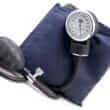
- Blood pressure is measured with a stethoscope (device used to listen to internal sounds) and an inflatable arm cuff and a pressure-measuring gauge called a sphygmomanometer. A blood pressure reading, given in millimeters of mercury (mm Hg), has two numbers. The first or upper number measures the pressure in the arteries when the heart beats (systolic pressure). The second or lower number measures the pressure in the arteries between beats when the chambers of the heart are filling with blood (diastolic pressure). In general, lower blood pressure is better. However, very low blood pressure (hypotension) can sometimes be a cause for concern and should be checked out by a doctor.
- The latest blood pressure (BP) guidelines, issued in 2003 by the National Heart, Lung, and Blood Institute, divide blood pressure measurements into four general categories including normal (BP below 120/80 mmHg, pre-hypertension (BP of 120-139 systolic and 80-89 diastolic, Stage 1 hypertension (BP of 140-159 systolic and 90-99 diastolic), and Stage 2 hypertension (BP of 160 or higher systolic and 100 or higher diastolic). To get an accurate blood pressure reading, a healthcare professional should evaluate the readings based on the average of two or more blood pressure readings.
- In a doctor's office, blood pressure readings are usually taken when sitting or lying down and relaxed. Healthcare professionals recommend avoiding coffee or cigarettes 30 minutes before having blood pressure taken, wearing short sleeves, and going to the bathroom before the BP reading. Having a full bladder can change the blood pressure reading. They also recommend that patients sit for five minutes before the test.
- Physical examination and blood tests: If hypertension is determined, the doctor may ask questions such as medical history and diet and lifestyle. The doctor may also order various routine tests. Risk factors of high blood pressure are evaluated, including electrolyte levels, such as sodium, potassium and chloride, high cholesterol levels, such as total cholesterol, low density lipoprotein (LDL), high density lipoprotein (HDL) and triglycerides, calcium levels, diabetes (uncontrolled blood sugar levels), medications and supplements the individual is currently taking, and obesity (BMI or body mass index) measurement.
Complications
- Excessive and uncontrolled pressure on the artery walls can damage vital organs. The higher the blood pressure and the longer it goes uncontrolled, the greater the damage.
- Damage to the arteries: This can result in hardening and thickening of the arteries (atherosclerosis), which can lead to a heart attack or other complications. An enlarged, bulging blood vessel (aneurysm) is also possible.
- Heart failure: The heart muscle may have to work harder to pump blood against the higher pressure in the vessels, leading to increasing heart muscle thickness. Eventually, the thickened muscle may have a hard time pumping enough blood to meet the body's needs, which can lead to chronic heart failure (CHF).
- Stroke: Excessive blood pressure can lead to a blocked or ruptured blood vessel in the brain, leading to a lack of blood flow and oxygen to the brain (stroke).
- Metabolic syndrome: This syndrome is a cluster of disorders of the body's metabolism, including increase waist circumference, high triglycerides, low high-density lipoprotein (HDL, or "good" cholesterol), high blood pressure, and high insulin levels. The more components an individual has, the greater the risk of developing diabetes, heart disease, or stroke.
- Hypertensive nephropathy: Weakened and narrowed blood vessels in the kidneys can develop, leading to the inability of these organs to function normally.
- Hypertensive retinopathy: Thickened, narrowed, or torn blood vessels in the eyes can develop, which may result in vision loss.
- Cognitive impairment: Chronic (long term) or acute (immediate) high blood pressure can impair the ability to think, remember, and learn.
- Pre-eclampsia: Pre-eclampsia, or high blood pressure and protein in the urine during pregnancy, is diagnosed through blood pressure checks, which are routine at prenatal visits. A doctor will also order a test to determine whether protein is in the urine (albumin test). A rapid increase in blood pressure is a sign that the individual may be developing pre-eclampsia.
- Endothelial dysfunction: Endothelial dysfunction is a malfunction of the endothelium, the cells that line the inner surface of all blood vessels including arteries and veins. Normal functions of endothelial cells include helping with coagulation (blood clotting), platelet adhesion (also involved in clotting), immune function, control of fluid and electrolyte content in and out of the cells. Endothelial dysfunction can result from high blood pressure. High blood pressure causes the blood vessels to become stiff and less able to constrict (narrow) and dilate (expand). Other causes include septic shock (inability of the tissues to get blood and oxygen), hypercholesterolemia (high cholesterol), diabetes, and environmental factors such as cigarette smoking. Endothelial dysfunction is thought to be a key event in the development of atherosclerosis (hardening of the arteries), leading to heart attacks.
Treatment
- Treating high blood pressure can help prevent serious and life-threatening complications. A doctor also may suggest steps to control conditions that can contribute to high blood pressure, such as diabetes and high cholesterol.
- Evidence suggests that reduction of the blood pressure by 5 to 6mmHg can decrease the risk of stroke by 40%, of coronary heart disease by 15-20%, and reduces the likelihood of dementia, heart failure, and mortality from vascular disease.
- Blood pressure goals are not the same for everyone. Although everyone should strive for blood pressure readings below 140/90mmHg, doctors recommend lower readings for people with certain conditions. The goal is 130/80mmHg if the patient has or has had chronic kidney disease or diabetes.
- Diuretics: These medications act on the kidneys to help the body eliminate sodium and water, thereby reducing blood volume. Thiazide diuretics, including hydrochlorothiazide (HCTZ or Hydrodiuril®), is often the first choice of medicine in treating high blood pressure. In a 2006 study, diuretics were a key factor in preventing heart failure associated with high blood pressure. Adverse effects of thiazide diuretics include sexual dysfunction, glucose intolerance, gout, elevated potassium level, and low sodium level (hyponatremia). Other diuretics include loop diuretics such as furosemide (Lasix®) and bumetanide (Bumex®), and potassium-sparing diuretics (keep potassium from being depleted from the body) including amiloride (Midamor®) and triamterene (Maxzide®).
- Beta blockers: These medications reduce the workload on the heart, causing the heart to beat slower and with less force. When prescribed alone, beta blockers don't work as well in African Americans, but they're effective when combined with a thiazide diuretic in these individuals. Beta blockers include propranolol (Inderal®), metoprolol (Lopressor®, Toprol®) or atenolol (Tenormin®). Side effects associated with the use of beta blockers include nausea, diarrhea, bronchospasm (spasm of the bronchial tubes), dyspnea (difficulty breathing), cold extremities (fingers, toes), bradycardia (slow heat rate), hypotension (low blood pressure), fatigue (tiredness), dizziness, abnormal vision, decreased concentration, hallucinations, insomnia (difficulty sleeping), nightmares, depression, sexual dysfunction (lack of interest in sex), erectile dysfunction (inability to achieve or maintain an erection in men), and/or alteration of glucose and cholesterol metabolism. These drugs may worsen blood glucose control, elevate triglyceride levels, and lower high-density lipoprotein (HDL, or "good" cholesterol).
- Angiotensin converting enzyme inhibitors (ACE inhibitors or ACEI): Oral angiotensin converting enzyme inhibitors (ACE inhibitors), including lisinopril (Prinivil®, Zestril®), benazepril (Lotensin®), captopril (Capoten®), and enalapril (Vasotec®), dilate blood vessels and increase oxygen to the heart. Angiotensin is made when the kidneys receive a signal to raise blood pressure. ACE inhibitors prevent or reduce the production of angiotensin, which keeps vessels from narrowing and helps them relax. This relaxation lowers blood pressure and increases the supply of blood and oxygen to the heart. ACE inhibitors may be especially important in treating high blood pressure in people with coronary artery disease, heart failure or kidney failure. Like beta blockers, ACE inhibitors do not work as well in African Americans when prescribed alone, but seem to be more effective when combined with a thiazide diuretic such as hydrochlorothiazide. Contra-indications to ACE inhibitor use include hypotension (low blood pressure) and declining kidney function with ACE inhibitor use. The use of an ACE inhibitor four to six weeks after a heart attack is recommended for patients with congestive heart failure, left ventricular dysfunction, hypertension (high blood pressure), or diabetes.
- Angiotensin II receptor blockers (ARBs). ARBs work similarly to ACE inhibitors. However, instead of inhibiting the production of the angiotensin enzyme in the kidneys, they block the effects of angiotensin on cell receptor membranes. They are more effective than ACE inhibitors in treating some people who have high blood pressure. They are particularly useful for treating high blood pressure in individuals who cannot tolerate ACE inhibitors well. ARBs include irbesartan (Avapro®), candesartan (Atacand®), and losartan (Cozaar®). Adverse effects of ARBs can include headache, drowsiness, diarrhea, and a metallic or salty taste in the mouth.
- Calcium channel blockers (CCBs). CCBs affect the transport of calcium into the cells of the heart and blood vessels, causing blood vessels to relax. This relaxation increases the blood and oxygen supply to the heart, lowers blood pressure, and reduces the heart's workload. CCBs include amlodipine (Norvasc®), felodipine (Plendil®), nicardipine (Cardene®, Carden SR®), and nifedipine (Procardia®, Adalat®). Physicians often recommend CCBs to treat high blood pressure in women who have pregnancy-induced high blood pressure, elderly patients, patients who have a history of angina (chest pain), or patients of African or Caribbean descent. CCBs are not a good choice for patients who have had a heart attack or who have congestive heart failure. Adverse effects of CCBs include constipation, swelling of the lower part of the legs, flushing, or headache.
- Alpha blockers: Alpha blockers (also called alpha-adrenergic blocking agents) block alpha receptors in vascular smooth muscle (including blood vessels), preventing the uptake of catecholamines (brain hormones such as epinephrine), which are produced in response to stress. This blocking mechanism permits blood vessel dilation (relaxing) and allows blood to flow more freely. Alpha blockers are not advised for those who have a history of (or are at risk for) congestive heart failure (CHF). Alpha blockers include doxazosin (Cardura®), prazosin (Minipress®), and terazosin (Hytrin®). Alpha blockers tend to interfere with the blood pressure regulating adjustments the body has to make when a person goes from sitting or lying down to standing. Individuals using alpha blockers may experience a drop in blood pressure (called orthostatic hypotension) when they go from sitting or lying down to standing. Other common adverse effects include stuffy nose and dizziness.
- Alpha-beta blockers: In addition to reducing nerve impulses to blood vessels, alpha-beta blockers slow the heartbeat to reduce the amount of blood that must be pumped through the vessels (acting like both alpha blockers and beta blockers). Alpha-beta blockers include carvedilol (Coreg®) and labetolol (Normodyne® and Trandate®). Side effects include those similar to both alpha and beta blockers.
- Centrally acting agents: Central alpha agonists lower blood pressure by stimulating alpha-receptors in the brain that open peripheral arteries easing blood flow. Central alpha agonists include clonidine (Catapres®), guanabenz (Wytensin®), and methyldopa (Aldomet®). Adrenergic neuron blockers decrease the amount of brain neurochemicals (epinephrine, dopamine) available, and include reserpine (Serpasil®) and guanethedine (Ismelin®). Both centrally acting drugs are usually prescribed when all other anti-hypertensive medications have failed.
- Vasodilators: These medications work directly on the muscles in the walls of the arteries, preventing the muscles from tightening and the arteries from narrowing. Oral vasodilators include hydralazine (Apresoline®). The vasodilators only used in medical emergency hypertension include sodium nitroprusside (Nipride®) and nitroglycerin.
- Once the blood pressure is under control, a doctor may add low dose aspirin (81 milligrams) to the therapy to reduce the risk of coronary heart disease (CHD). Aspirin is a platelet inhibitor and helps platelets from "clumping" together and blocking blood vessels, which could increase blood pressure.
- To reduce the number of doses needed a day, which can reduce side effects, a doctor may prescribe a combination of low-dose medications rather than larger doses of one single drug. These are commonly used antihypertensive drugs (such as ACE inhibitor and beta blockers) combined with the thiazide diuretic hydrochlorothiazide (HCTZ). Companies manufacture drugs that combine HCTZ and ACE inhibitors, including prinizide (lisinopril plus HCTZ) and Capozide (captopril plus HCTZ). Studies report that using an antihypertensive drugs combined with a thiazide diuretic reduces costs and may increase effectiveness against high blood pressure.
- Lifestyle changes: Lifestyle changes can help control and prevent high blood pressure. Even if the individual is diagnosed with high blood pressure, lifestyle changes can still help prevent further damage to blood vessels and the heart.
- Healthy foods: Experts recommend using the Dietary Approaches to Stop Hypertension (DASH) diet, which emphasizes fruits, vegetables, whole grains and low-fat dairy foods. Get plenty of potassium (as in bananas and green leafy vegetables such as spinach), which can help prevent and control high blood pressure. Eat less saturated fat (animal fat) and total fat. Limit the amount of sodium (salt) in the diet. Limiting sodium intake to 1,500 milligrams a day will have a more dramatic effect on blood pressure. Look at the food labels to determine sodium content. If cooking at home, use less salt or a salt substitute (contains potassium iodide, which does not increase blood pressure).
- Healthy body weight: If an individual is overweight, losing even five pounds can lower blood pressure. Eating healthy and exercising regularly can help lower weight. No eating between meals and late at night also help decrease weight gain.
- Physical activity: Regular physical activity can help lower blood pressure and keep weight under control. Individuals should strive for at least 30 minutes of moderate physical activity a day.
- Alcohol consumption: Excessive alcohol consumption can raise the blood pressure even in a healthy person. If an individual chooses to drink alcohol, they should do so in moderation. Moderate alcohol consumption, however, may reduce blood pressure by up to 4 mmHg. One drink a day for women and two drinks a day for men should not be exceeded. Consumption of red wine, which has heart-healthy components, is better than other types of spirits.
- Smoking cessation: Tobacco injures blood vessel walls and speeds up the process of hardening of the arteries. A doctor can help an individual choose the right method of smoking cessation (stopping).
- Stress management: Reduce stress as much as possible. Practice healthy coping techniques, such as muscle relaxation and deep breathing. Getting plenty of sleep can help, too. Practice slow, deep breathing. In various clinical trials, regular use of Resperate®, an over-the-counter device approved by the U.S. Food and Drug Administration (FDA) to analyze breathing patterns and help guide inhalation and exhalation, significantly lowered blood pressure. It is used for fifteen minutes daily several times a week.
- Changing the lifestyle can help control high blood pressure. But sometimes lifestyle changes are not enough. In addition to diet and exercise, a doctor may recommend medication to lower blood pressure. Which category of medication the doctor prescribes depends on the stage of high blood pressure and whether there are other medical conditions.
Prevention
- Blood pressure should be a systolic reading of 120 and a diastolic reading of 80 (120/80 millimeters of mercury). Exercising, managing stress, maintaining a healthy weight, and limiting sodium and alcohol intake are all ways to keep blood pressure in check.
- Cholesterol and saturated fat intake reduction: A diet rich in high fat foods such as dairy (such as milk, cheese, and sour cream), animal fat, and fried foods (potato chips, French fries, fried chicken) can lead to high cholesterol levels in the blood, which can lead to high blood pressure. Eating less cholesterol and fat, especially saturated fat, may reduce the amount of plaque in the arteries. Most people should aim for a low density lipoprotein (LDL) level below 130 milligrams per deciliter of blood. If there are other risk factors for heart disease, the target LDL may be below 100 milligrams per deciliter of blood. If the individual is at a very high risk for heart disease, such as having a previous heart attack, an LDL level below 70 milligrams per deciliter of blood may be optimal.
- Smoking cessation: Cigarette smoking can repeatedly produce a temporary rise in blood pressure (BP) of approximately 5-10mmHg, and is a major risk factor for coronary artery disease. Nicotine constricts blood vessels and forces the heart to pump harder. A buildup of carbon monoxide (CO) reduces oxygen in the blood and damages the lining of the blood vessels. Experts agree that smoking should be avoided in any person with high blood pressure because it can substantially increase the risk of secondary cardiovascular complications such as atherosclerosis (hardening of the arteries).
- Weight control: Being overweight contributes to several risk factors for stroke, high blood pressure, cardiovascular disease, and diabetes. Individuals with a body mass index (BMI, or body fat content) of 30.0 or higher are more likely to develop high blood pressure. Weight loss of as little as 10 pounds may lower blood pressure and improve cholesterol levels.
- Exercise: An inactive lifestyle makes it easier to become overweight and increases the chance of high blood pressure. It has been found that physical inactivity increases the risk of hypertension by 30%. Exercise can lower blood pressure, increase the level of HDL cholesterol (good cholesterol), and improve the overall health of blood vessels and the heart. It also helps control weight, control diabetes and reduce stress. Thirty minutes of daily exercise is normally recommended.
- Stress management: Stress can cause an increase in blood pressure along with increasing the blood's tendency to clot. Chronic stress can lead to an increase in the release of the stress hormone cortisol from the adrenal glands. Researchers believe that this increase in cortisol leads to increased blood pressure. Managing stress can be vital to keeping a heart healthy.
- Sodium reduction: Salt (or sodium chloride) contains sodium, which may cause fluid retention and thereby cause pressure around the blood vessels which can lead to hypertension. It is noted that approximately 60% of the essential hypertension population may decrease blood pressure (BP) by decreasing sodium (salt) intake.
- Limiting alcohol consumption: In some studies, moderate use of alcohol (particularly red wine) has been linked with increasing levels of HDL cholesterol and slight reductions in blood pressure. However, excessive drinking can have a negative impact on cholesterol levels, actually raising triglyceride levels and increasing blood pressure. It has been found that chronic (long-term) use of alcohol can increase blood pressure dramatically by placing stress on the heart and blood vessels.
References
- American Heart Association. .
- National Heart, Lung, and Blood Institute. .
- National Institutes of Health. .
- Natural Standard: The Authority on Integrative Medicine. .
- U.S. Food and Drug Administration. .