
- Acupuncture : Acupuncture is commonly used throughout the world. According to Chinese medicine theory, the human body contains a network of energy pathways through which vital energy, called chi, circulates. These pathways contain specific "points" that function like gates, allowing chi to flow through the body. Needles are inserted into these points to regulate the flow of chi. There has been substantial research into the efficacy of acupuncture in the treatment of osteoarthritis (OA). Most studies focus on knee, cervical, and hip OA symptoms. In recent years, the evidence has improved and is now considered strong enough to recommend trying acupuncture in OA of the knee, which is one of the most common forms of this condition.
- Needles must be sterile in order to avoid disease transmission. Avoid with valvular heart disease, infections, bleeding disorders, medical conditions of unknown origin, neurological disorders, or if taking anticoagulants. Avoid on areas that have received radiation therapy and during pregnancy. Avoid electroacupuncture with irregular heartbeat or in patients with pacemakers. Use cautiously with pulmonary disease (like asthma or emphysema). Use cautiously in elderly or medically compromised patients, diabetics or with a history of seizures.
- Chondroitin : Multiple clinical trials have examined the use of oral chondroitin in patients with osteoarthritis of the knee and other joints (spine, hips, and finger joints). Most of these studies have reported significant benefits in terms of symptoms (such as pain), function (such as mobility), and reduced medication requirements (such as anti-inflammatory). The weight of scientific evidence points to a beneficial effect when chondroitin is used for six to 24 months. Longer-term effects are not clear. Preliminary studies of topical chondroitin have also been conducted.
- Avoid with prostate cancer or an increased risk of prostate cancer. Use cautiously if allergic or hypersensitive to chondroitin sulfate products or with shellfish allergy. Use cautiously with bleeding disorders or if taking blood-thinners like warfarin (like Coumadin®). Avoid if pregnant or breastfeeding.
- Glucosamine : Glucosamine is a natural compound that is found in healthy cartilage. Based on human research, there is strong evidence to support the use of glucosamine sulfate in the treatment of mild-to-moderate knee osteoarthritis. Most studies have used glucosamine sulfate supplied by one European manufacturer (Rotta Research Laboratorium), and it is not known if glucosamine preparations made by other manufacturers are equally effective. Although some studies of glucosamine have not found benefits, these have either included patients with severe osteoarthritis or used products other than glucosamine sulfate. The evidence for the effect of glycosaminoglycan polysulphate is conflicting and merits further investigation. More well-designed clinical trials are needed to confirm safety and effectiveness, and to test different formulations of glucosamine.
- Avoid if allergic or hypersensitive to shellfish or iodine. Some reports suggest a link between glucosamine/chondroitin products and asthma. Use cautiously with diabetes or with a history of bleeding disorders. Avoid if pregnant or breastfeeding.
- Willow bark : Willow (Salix alba) bark that contains salicin has been used to treat many different kinds of pain. Willow bark is a traditional analgesic (pain relieving) therapy for osteoarthritis. Several studied have confirmed this finding. Additional study comparing willow bark to conventional medicinal agents for safety and effectiveness is warranted.
- Avoid if allergic/hypersensitive to aspirin, willow bark (Salix spp.), or any of its constituents, including salicylates. Avoid operating heavy machinery. Avoid in children with chickenpox and any other viral infections. Avoid with blood disorders or kidney disorders. Avoid if taking other NSAIDs, acetazolamide or other carbonic anhydrase inhibitors. Avoid with elevated serum cadmium levels. Use cautiously with gastrointestinal problems, such as ulcers, hepatic disorders, diabetes, gout, high blood pressure, hyperlipidemia, history of allergy or asthma, or leukemia. Use cautiously if taking protein-bound medications, antihyperlipidemia agents, alcohol, leukemia medications, beta-blockers, diuretics, Phenytoin (Dilantin®), probenecid, spironolactone, sulfonylureas, valproic acid, or methotrexate. Use cautiously if predisposed to headaches. Use cautiously with tannin-containing herbs or supplements. Avoid if pregnant or breastfeeding.
- Avocado : A combination of avocado/soybean unsaponifiables (ASU) has been found beneficial in osteoarthritis of the knee and hip. Additional study using avocado (Persea Americana) alone in OA is needed.
- Avoid if allergic or hypersensitive to avocado, banana, chestnut, or natural rubber latex. Avoid with monoamine oxidase inhibitors (MAOIs). Use cautiously with anticoagulants (like warfarin). Doses greater than found in a normal diet is not recommended if pregnant or breastfeeding. Some types of avocado may be unsafe when breastfeeding.
- Devil's claw : Devil's claw (Harpagophytum procumbens) originates from the Kalahari and Savannah desert regions of South and Southeast Africa. There is increasing scientific evidence suggesting that devil's claw is safe and beneficial for the short-term treatment of pain related to degenerative joint disease or osteoarthritis (8-12 weeks), and may be equally effective as drug therapies such as non-steroidal anti-inflammatory drugs like ibuprofen (Advil®, Motrin®), or may allow for dose reductions or stopping of these drugs in some patients. However, most studies have been small with flaws in their designs. Additional well-designed trials are necessary.
- Avoid if allergic to devil's claw or to plants in the Harpagophytum procumbens family. Use cautiously with stomach ulcers or with a history of bleeding disorders, diabetes, gallstones, gout, heart disease, stroke, ulcers, or with prescription drugs used for these conditions. Stop use two weeks before and immediately after surgery/dental/diagnostic procedures with bleeding risks. Avoid if pregnant or breastfeeding.
- Glucosamine : Several human studies and animal experiments report benefits of glucosamine in treating osteoarthritis of various joints of the body, although the evidence is less plentiful than that for knee osteoarthritis. Some of these benefits include pain relief, possibly due to an anti-inflammatory effect of glucosamine, and improved joint function. Overall, these studies have not been well designed. Although there is some promising research, more study is needed in this area before a firm conclusion can be made.
- Avoid if allergic or hypersensitive to shellfish or iodine. Some reports suggest a link between glucosamine/chondroitin products and asthma. Use cautiously with diabetes or with a history of bleeding disorders. Avoid if pregnant or breastfeeding.
- Physical therapy : The goal of physical therapy is to improve mobility, restore function, reduce pain, and prevent further injuries. Several techniques, including exercises, stretches, traction, electrical stimulation, and massage, are used. Physical therapy for osteoarthritis of the knee may provide short-term benefits, but long-term benefits do not appear better than standard treatments. Physical therapy, either as an individually delivered treatment or in a small group format, appears effective. Limited available study compared physical therapy to a sham group (sub therapeutic ultrasound) and found that a combination of manual physical therapy and supervised exercise was beneficial for patients with osteoarthritis of the knee.
- Not all physical therapy programs are suited for everyone, and patients should discuss their medical history with their qualified healthcare professionals before beginning any treatments. Physical therapy may aggravate pre-existing conditions. Persistent pain and fractures of unknown origin have been reported. Physical therapy may increase the duration of pain or cause limitation of motion. Pain and anxiety may occur during the rehabilitation of patients with burns. Both morning stiffness and bone erosion have been reported in the literature, although causality is unclear. Erectile dysfunction has also been reported. Physical therapy has been used in pregnancy, and although reports of major adverse effects are lacking in the available literature, caution is advised nonetheless. All therapies during pregnancy and breastfeeding should be discussed with a licensed obstetrician/gynecologist before initiation.
- Rose hip : Rose hips have traditionally been used by herbalists as an anti-inflammatory and antiarthritic agent. A constituent isolated from dried and milled fruits of Rosa canina has demonstrated anti-inflammatory properties, and Hyben Vital®, a standardized rose hips extract, has been shown to have anti-oxidant properties. Rose hip extracts have been studied in patients with osteoarthritis, with some evidence of benefit. Additional high quality clinical research is needed in this area to confirm early study results.
- Avoid if allergic to rose hips, rose pollen, their constituents, or members of the Rosaceae family. Use cautiously if taking anticoagulant or antiplatelet agents, anticancer agents, anti-HIV medications, anti-inflammatory agents, antilipemics, aluminum-containing antacids, antibiotics, salicylates or salicylate-containing herbs, or laxatives. Use cautiously in patients who are avoiding immune system stimulants.
- SAMe : S-adenosyl-L-methionine (SAMe) is a naturally occurring molecule that is found in humans. SAMe is present in almost every tissue and fluid in the body, and has been studied extensively in the treatment of osteoarthritis. SAMe reduces the pain associated with osteoarthritis and is well tolerated in this patient population. Although an optimal dose has yet to be determined, SAMe appears as effective as non-steroidal anti-inflammatory drugs (NSAIDS). Additional study is warranted to confirm these findings.
- Avoid if allergic or hypersensitive to SAMe. Avoid with bipolar disorder. Avoid during the first trimester of pregnancy or if breastfeeding. Use cautiously with diabetes, anxiety disorders, or during the third trimester of pregnancy.
- TENS (transcutaneous electrical nerve stimulation)Â : Transcutaneous electrical nerve stimulation (TENS) is a non-invasive technique in which a low-voltage electrical current is delivered through wires from a small power unit to electrodes located on the skin. Electrodes are temporarily attached with paste in various patterns, depending on the specific condition and treatment goals. Preliminary studies of TENS in knee osteoarthritis report improvements in joint function and pain. However, most research is not well designed or reported, and better studies are necessary before a clear conclusion can be reached.
- Avoid with implantable devices, such as defibrillators, pacemakers, intravenous infusion pumps, or hepatic artery infusion pumps. Use cautiously with decreased sensation (such as neuropathy) or with seizure disorders. Avoid if pregnant or breastfeeding.
- Alpinia : Alpinia, also known as Chinese ginger, has been studied in combination with another ginger species for the treatment of osteoarthritis. Although alpinia shows promise for the reduction in knee pain, more studies using alpinia alone would strengthen the evidence for this indication.
- Avoid if allergic/hypersensitive to alpinia, ginger, or other members of the Zingiberaceae family. Use cautiously with diabetes or if taking hypoglycemic agents. Use cautiously with electrolyte imbalance and low blood pressure. Avoid if pregnant or breastfeeding.
- Arnica : Arnica (Arnica montana) gel has been used on the skin for osteoarthritis pain and stiffness, due to its anti-inflammatory constituents. Although early study is promising, additional study is needed.
- Avoid if allergic or hypersensitive to arnica or any member of the Asteraceae or Compositae families (sunflowers, marigolds, or any related plants like daisies, ragweed, or asters). Use cautiously with blood thinners, protein-bound drugs, cholesterol or heart medications, or diabetes drugs. Use cautiously with a history of stroke. Avoid contact with open wounds or near the eyes and mouth. Avoid if pregnant or breastfeeding.
- Ashwagandha : The use of ashwagandha in osteoarthritis has been suggested based on its reported anti-inflammatory and anti-arthritic properties. Well-designed human research is needed in this area.
- Avoid if allergic or hypersensitive to ashwagandha. Dermatitis (allergic skin rash) has been reported. There are few reports of adverse effects associated with ashwagandha, but there are few human trials using ashwagandha and most do not report the doses or standardization/preparation used. Avoid with peptic ulcer disease. Ashwagandha may cause abortion based on anecdotal reports. Avoid if pregnant or breastfeeding.
- Ayurveda : Ayurveda is a form of natural medicine that originated in ancient India more than 5,000 years ago. There is early evidence that an Ayurvedic formula containing roots of Withania somnifera, the stem of Boswellia serrata, rhizomes of Curcuma longa, and a zinc complex (Articulin-F®) may significantly improve symptoms of osteoarthritis. Other research suggests that taking guggul (Commiphora mukul) daily as a powder capsule supplement may reduce pain and improve functioning in OA. Further research is needed before a recommendation can be made.
- Ayurvedic herbs should be used cautiously because they are potent, and some constituents may be potentially toxic if taken in large amounts or for a long time. Some herbs imported from India have been reported to contain high levels of toxic metals. Ayurvedic herbs may interact with other herbs, foods, and drugs. A qualified healthcare professional should be consulted before taking. Avoid Ayurveda with traumatic injuries, acute pain, advanced disease stages and medical conditions that require surgery.
- Beta carotene : Beta-carotene is a member of the carotenoids, which are highly pigmented (red, orange, yellow), fat-soluble compounds naturally present in many fruits, grains, oils, and vegetables (green plants, carrots, sweet potatoes, squash, spinach, apricots, and green peppers). Beta-carotene supplementation does not appear to prevent osteoarthritis, but it may slow progression of the disease. Well-designed clinical trials are needed before a conclusion can be drawn.
- Avoid if sensitive to beta-carotene, vitamin A, or any other ingredients in beta-carotene products.
- Boron : Boron is a trace element, which is found throughout the global environment. Based on human population research, individuals who eat foods rich in boron (including green vegetables, fruits, and nuts) appear to have fewer joint disorders. It has also been proposed that boron deficiency may contribute to the development of osteoarthritis. However, there is a lack of human evidence that supplementation with boron is beneficial as prevention against or as a treatment for osteoarthritis.
- Avoid if allergic or sensitive to boron, boric acid, borax, citrate, aspartate, or glycinate. Avoid with a history of diabetes, seizure disorder, kidney disease, liver disease, depression, anxiety, high blood pressure, skin rash, anemia, asthma, chronic obstructive pulmonary disease (COPD), or hormone-sensitive conditions (e.g., breast cancer or prostate cancer). Avoid if pregnant or breastfeeding.
- Boswellia : Due to boswellia's potential anti-inflammatory properties, boswellia has been suggested as a potential treatment for osteoarthritis. Further research is needed in this area.
- Avoid if allergic to boswellia. Avoid with a history of stomach ulcers or stomach acid reflux disease (GERD). Use cautiously if taking lipid-soluble medications, agents metabolized by the liver's cytochrome P450 enzymes, or sedatives. Use cautiously with impaired liver function or lung disorders. Use cautiously in children. Avoid if pregnant due to potential abortifacient effects or if breastfeeding.
- Bowen therapy : Bowen therapy is a technique that involves gentle but precise soft tissue manipulation. Early research suggests that Bowen therapy may improve the range of motion in patients with frozen shoulder.
- Bowen therapy is generally believed to be safe in most people. However, safety has not been thoroughly studied. Bowen therapy should not be used for severe conditions or in place of more proven treatments. Use cautiously in patients with cancer or in those who are undergoing surgery.
- Bromelain : Bromelain is an herb that contains a digestive enzyme that comes from the stem and the fruit of the pineapple plant (Ananus comosus). When taken with meals, bromelain may aid in the digestion of proteins. When taken on an empty stomach it acts as an anti-inflammatory agent. Results of a study found a combination supplement called ERC (enzyme-rutosid combination -rutosid, bromelain, trypsin) may be considered as an effective and safe alternative to prescription anti-inflammatory drugs (NSAIDs), such as diclofenac, in the treatment of knee pain associated with osteoarthritis. Further well-designed clinical trials of bromelain alone are needed to confirm these results.
- Avoid if allergic to bromelain, pineapple, honeybee, venom, latex, birch pollen, carrots, celery, fennel, cypress pollen, grass pollen, papain, rye flour, wheat flour, or other members of the Bromeliaceae family. Use cautiously with a history of bleeding disorders, stomach ulcers, heart disease, or liver or kidney disease. Use cautiously before dental or surgical procedures or while driving or operating machinery. Avoid if pregnant or breastfeeding.
- Cat's claw : Cat's claw is widely used in the United States and Europe, and it is one of the top herbal remedies sold despite a lack of high-quality human evidence. In Germany and Austria, cat's claw is only available by prescription. Several laboratory and animal studies suggest that cat's claw may reduce inflammation, and this has led to research of cat's claw for inflammatory conditions, such as arthritis. Early research also suggests that cat's claw may reduce pain from osteoarthritis of the knee. Large, high-quality human studies are needed comparing effects of cat's claw alone vs. placebo before a conclusion can be drawn.
- Avoid if allergic to cat's claw or Uncaria plants or plants in the Rubiaceae family such as gardenia, coffee, or quinine. Avoid with a history of conditions affecting the immune system (such as AIDS, HIV, some types of cancer, multiple sclerosis, tuberculosis, rheumatoid arthritis, and lupus). Use cautiously with bleeding disorders or history of stroke, or if taking drugs that may increase the risk of bleeding. Stop use two weeks before and immediately after surgery/dental/diagnostic procedures with bleeding risks. Cat's claw may be contaminated with other Uncaria species. Reports exist of a potentially toxic, Texan grown plant, Acacia gregii being substituted for cat's claw. Avoid if pregnant, breastfeeding, or trying to become pregnant.
- Chiropractic : Chiropractic is a healthcare discipline that focuses on the relationship between musculoskeletal structure (primarily the spine) and body function (as coordinated by the nervous system), and how this relationship affects the preservation and restoration of health. Further research is needed to determine if chiropractic therapy is an effective treatment for hip pain or osteoarthritis.
- Avoid with symptoms of vertebrobasilar vascular insufficiency, aneurysms, unstable spondylolisthesis, or arthritis. Avoid with agents that increase the risk of bleeding. Avoid in areas of para-spinal tissue after surgery. Avoid if pregnant or breastfeeding due to a lack of scientific data. Use extra caution during cervical adjustments. Use cautiously with acute arthritis, conditions that cause decreased bone mineralization, brittle bone disease, bone softening conditions, bleeding disorders, or migraines. Use cautiously with the risk of tumors or cancers.
- Ginger : The underground stems (called rhizomes) and above ground stems of ginger have been used in Chinese, Japanese, and Indian medicine for hundreds of years. Ginger has been studied as a possible treatment for osteoarthritis. However, results of available studies are mixed. More research is needed in this area.
- Avoid if allergic to ginger or other members of the Zingiberaceae family (like red ginger, Alpinia purpurata, shell ginger, Alpinia zeru, green cardamom, and balsam of Peru). Avoid with anticoagulation therapy. Avoid large quantities of fresh cut ginger with inflammatory bowel disease or with a history of intestinal obstruction. Use cautiously before surgery or with gastric or duodenal ulcers, gallstones, heart disease, or diabetes. Use cautiously long-term. Use cautiously in underweight patients. Use cautiously if taking heart medications or sedatives and if driving or operating heavy machinery. Use cautiously if pregnant or breastfeeding.
- Green lipped mussel : The green-lipped mussel is native to the New Zealand coast and is a staple in the diet of the indigenous Maori culture. There is conflicting evidence of the effect of green-lipped mussel supplementation for treating osteoarthritis. Reliable evidence is needed to determine whether green-lipped mussel is effective for this use.
- Green-lipped mussel is generally considered safe. Avoid with allergy or sensitivity to green-lipped mussel or other shellfish. Avoid with liver disease. Use cautiously with anti-inflammatory agents. Use cautiously with asthma. Avoid if pregnant or breastfeeding.
- Guggul : Guggul (gum guggul) is a resin produced by the mukul mirth tree. There is currently insufficient evidence to support the use of guggul or guggul derivatives for the management of osteoarthritis.
- Avoid if allergic to guggul. Avoid with a history of thyroid disorders, anorexia, bulimia, or bleeding disorders. Signs of allergy to guggul may include itching and shortness of breath. Avoid if pregnant or breastfeeding.
- Guided imagery : Guided imagery refers to a number of techniques, including metaphor, storytelling, fantasy, game playing, dream interpretation, drawing, visualization, active imagination, and direct suggestion, using imagery. Therapeutic guided imagery may be used to help patients relax and focus on images associated with personal issues they are confronting. Cognitive-behavioral interventions for pain may be an effective adjunct to standard pharmacologic interventions for pain in patients with osteoarthritis. Further research is needed to confirm these results.
- Guided imagery is usually intended to supplement medical care, not to replace it, and guided imagery should not be relied on as the sole therapy for a medical problem. Contact a qualified healthcare provider if mental or physical health is unstable or fragile. Never use guided imagery techniques while driving or doing any other activity that requires strict attention. Use cautiously with physical symptoms that can be brought about by stress, anxiety, or emotional upset because imagery may trigger these symptoms. If feeling unusually anxious while practicing guided imagery, or with a history of trauma or abuse, speak with a qualified healthcare provider before practicing guided imagery.
- Magnet therapy : Magnetic fields play an important role in Western medicine. For instance, they are used for magnetic resonance imaging (MRI), pulsed electromagnetic fields, and experimental magnetic stimulatory techniques. Several studies have evaluated the use of magnetic field therapy applied to areas of osteoarthritis or degenerative joint disease. In particular, this research has focused on knee osteoarthritis. However, most studies have been small or poorly designed or reported. Efficacy remains unclear. Larger and better quality studies are needed. Initial evidence has failed to show improvements in knee pain with the use of magnet therapy. However, due to methodological weaknesses with this research, the conclusions cannot be considered definitive.
- Avoid with implantable medical devices like heart pacemakers, defibrillators, insulin pumps, or hepatic artery infusion pumps. Avoid with myasthenia gravis or bleeding disorders. Avoid if pregnant or breastfeeding. Magnet therapy is not advised as the sole treatment for potentially serious medical conditions and should not delay the time to diagnosis or treatment with more proven methods. Patients are advised to discuss magnet therapy with their qualified healthcare providers before starting treatment.
- MSMÂ : Methylsulfonylmethane, or MSM, is a form of organic sulfur that occurs naturally in a variety of fruits, vegetables, grains, and animals. MSM is a normal oxidation product of dimethyl sulfoxide (DMSO). Preliminary study has used MSM, alone or in combination with glucosamine, in the treatment of osteoarthritis. The combination may provide pain relief and reduction in inflammation. Further studies on MSM and its effects on patients with osteoarthritis are warranted.
- Avoid if allergic or hypersensitive to MSM. Long-term effects of supplementation with MSM are unknown. Avoid if pregnant or breastfeeding.
- Niacin : Vitamin B3 is made up of niacin (nicotinic acid) and its amide, niacinamide, and can be found in many foods, including yeast, meat, fish, milk, eggs, green vegetables, and cereal grains. Preliminary human studies suggest that niacinamide may be useful in the treatment of osteoarthritis. Further research is needed.
- Avoid niacin/vitamin B3 if allergic to niacin or niacinamide. Avoid with a history of liver disease or dysfunction, irregular heartbeats, heart disease, bleeding disorders, asthma, anxiety, panic attacks, thyroid disorders, stomach ulcers, gout, or diabetes. Avoid if pregnant or breastfeeding.
- Pantothenic acid (vitamin B5)Â : Pantothenic acid is found in many foods, including, meats, liver, kidney, fish/shellfish, chicken, vegetables, legumes, yeast, eggs, and milk. Pantothenic acid has been suggested as a possible treatment for osteoarthritis. However, further research is needed to determine whether or not this treatment is effective.
- Avoid if allergic or hypersensitive to pantothenic acid or dexpanthenol. Avoid with gastrointestinal blockage. Pantothenic acid is generally considered safe in pregnant and breastfeeding women when taken at recommended doses.
- Physical therapy : More research is needed to determine if physical therapy is an effective treatment for frozen shoulder, hip pain, joint problems (including rotator cuff and sacroiliac joint dysfunction), or osteoarthritis.
- Not all physical therapy programs are suited for everyone, and patients should discuss their medical history with their qualified healthcare professionals before beginning any treatments. Physical therapy may aggravate pre-existing conditions. Persistent pain and fractures of unknown origin have been reported. Physical therapy may increase the duration of pain or cause limitation of motion. Pain and anxiety may occur during the rehabilitation of patients with burns. Both morning stiffness and bone erosion have been reported in the literature, although causality is unclear. Erectile dysfunction has also been reported. Physical therapy has been used in pregnancy, and although reports of major adverse effects are lacking in the available literature, caution is advised nonetheless. All therapies during pregnancy and breastfeeding should be discussed with a licensed obstetrician/gynecologist before initiation.
- Relaxation therapy : Relaxation techniques include behavioral therapeutic approaches that differ widely in philosophy, methodology, and practice. The primary goal is usually non-directed relaxation. In a randomized study of patients with osteoarthritis pain, Jacobson relaxation was reported to lower the level of subjective pain over time. The study concluded that relaxation might be effective in reducing the amount of analgesic medication taken by participants. Further well-designed research is needed to confirm these results.
- Avoid with psychiatric disorders such as schizophrenia/psychosis. Jacobson relaxation (flexing specific muscles, holding that position, then relaxing the muscles) should be used cautiously with illnesses like heart disease, high blood pressure, or musculoskeletal injury. Relaxation therapy is not recommended as the sole treatment approach for potentially serious medical conditions and should not delay the time to diagnosis or treatment with more proven techniques.
- Tai chi : Tai chi is a system of movements and positions believed to have developed in 12th Century China. Tai chi techniques aim to address the body and mind as an interconnected system, and are traditionally believed to have mental and physical health benefits to improve posture, balance, flexibility, and strength. A small trial in women with osteoarthritis reported that treatment with tai chi significantly decreased pain and stiffness compared with a sedentary lifestyle. Women in the tai chi group also reported fewer perceptions of difficulties in physical functioning.
- Avoid with severe osteoporosis or joint problems, acute back pain, sprains, or fractures. Avoid during active infections, right after a meal, or when very tired. Some believe that visualization of energy flow below the waist during menstruation may increase menstrual bleeding. Straining downwards or holding low postures should be avoided during pregnancy, and by people with inguinal hernias. Some tai chi practitioners believe that practicing for too long or using too much intention may direct the flow of chi (qi) inappropriately, possibly resulting in physical or emotional illness. Tai chi should not be used as a substitute for more proven therapies for potentially serious conditions. Advancing too quickly while studying tai chi may increase the risk of injury.
- Turmeric : The rhizome (root) of turmeric (Curcuma longa Linn.) has long been used in traditional Asian medicine. Turmeric has been used historically to treat rheumatic conditions. Laboratory and animal studies show anti-inflammatory activity of turmeric and its constituent curcumin, which may be beneficial in people with osteoarthritis. Reliable human research is lacking.
- Avoid if allergic or hypersensitive to turmeric, curcumin, yellow food colorings, or plants belonging to the Zingiberaceae (ginger) family. Use cautiously with a history of bleeding disorders, immune system deficiencies, liver disease, diabetes, low blood sugar levels, or gallstones. Use cautiously with blood-thinners, such as warfarin (like Coumadin®), or blood sugar-altering medications. Avoid in medicinal amounts if pregnant or breastfeeding. Turmeric should be stopped before scheduled surgery.
- Vitamin EÂ : Vitamin E exists in eight different forms ("isomers"): alpha, beta, gamma and delta tocopherol; and alpha, beta, gamma and delta tocotrienol. Alpha-tocopherol is the most active form in humans. Vitamin E does not appear to reduce symptoms or prevent cartilage loss in osteoarthritis.
- Avoid if allergic or hypersensitive to vitamin E. Avoid with retinitis pigmentosa (loss of peripheral vision). Use cautiously with bleeding disorders or if taking blood thinners. Avoid doses greater than the recommended daily level in pregnant women and breastfeeding women.
medical conditions
Osteoarthritis
Explore the available health information, treatment context, and integrative evidence for Osteoarthritis.
Evidence Ledger
Grades describe the evidence for Osteoarthritis relative to each listed condition or goal.
Toggle evidence section
Evidence and integrative options for Osteoarthritis
Background
- Osteoarthritis (OA), also called degenerative joint disease (DJD) or osteoarthrosis, occurs when the cartilage in the joints begins to break down. The cartilage serves as a cushion between bones, allowing the joint to move without pain. Therefore, individuals with osteoarthritis experience pain and reduced mobility in their joints where cartilage is degrading. Osteoarthritis may affect any joint in the body.
- The term arthritis literally means joint inflammation or swelling. More than 100 different disease fall under the general category of arthritis. Arthritis conditions affect the joints, the tissues surrounding the affected joints, and other connective tissues. Common forms of arthritis include rheumatoid arthritis, osteoarthritis, and periarthritis.
- As the disease progresses, crevices and bone spurs, called oseophytes, may develop within the affected joint, increasing pain and decreasing mobility.
- According to the Arthritis Foundation, more than 20 million Americans and 70-90% of persons older than 75 years are affected by osteoarthritis. Although symptoms of osteoarthritis occur earlier in women (around the ages of 50-55), the prevalence among men and women is equal in older ages. In addition to age, risk factors include joint injury, obesity, and mechanical stress (such as joint stress when pitching a baseball or playing tennis).
Signs and Symptoms
- Because osteoarthritis develops slowly, many individuals do not experience symptoms until several years after cartilage breakdown begins. Common symptoms include joint pain, swelling and/or stiffness in a joint (especially after use), joint discomfort before or during a change in the weather, bony lumps on the fingers, and loss of joint flexibility. The joints that are most often affected by osteoarthritis include the fingers, spine, and weight-bearing joints, such as the hips, ankles, feet, and knees. Stiffness in the joint may occur after inactivity, such as upon rising in the morning or after a long car ride.
- Once symptoms develop, they are generally the worst during the first year of the disease. Pain often is described as a deep ache and is confined to the affected joint, called localized pain. In most cases, pain increases with use of the joint and subsides with rest. However, as the disease progresses, pain may become persistent. Osteoarthritis may cause pain at night that interferes with sleep.
- If individuals overuse the affected joints and do not receive treatment, the cartilage in the joints may wear down completely. When this happens, the bone may rub against bone, causing severe pain and joint damage.
Diagnosis
- General: Once individuals are diagnosed with osteoarthritis, they should visit their healthcare providers regularly, at least once a year. Individuals should stay in close contact with their doctors to ensure that their symptoms are managed and joint damage is monitored
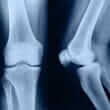
- X-ray: X-rays are often the first test performed if a patient has symptoms of osteoarthritis. If the patient has osteoarthritis, the x-ray images will often show loss of cartilage in the affected joints, narrowing of the space between bones, and bumps called nodules.
- Arthrocentesis: A procedure called arthrocentesis may also be performed at a healthcare provider's office. During the procedure, a needle is inserted into the affected joint, and a small sample of fluid is removed. The fluid is then analyzed to rule out other conditions, such as gout or infection. This test may also temporarily relieve some pain and inflammation in the joint.
- Arthroscopy: A surgical procedure called arthroscopy may also be performed. During the surgery, a small incision is made into the affected joint. Then a tube called an arthroscope is inserted into the joint. This tube has a small light and camera, which allows the healthcare provider to see the inside of the joint. If abnormalities, including cartilage or ligament damage are seen, the individual is diagnosed with osteoarthritis.
Complications
- Cosmetic concerns: Osteoarthritis may cause small bumps, called nodules, to form on bones. These bumps can occur on any joint, but they are most common in the hands. These nodules may be disfiguring and painful in some individuals.
- Depression: Some osteoarthritis patients may suffer from depression. This may happen if the arthritis interferes significantly with the patient's lifestyle. Individuals should consult their healthcare providers if they experience feelings of sadness, low self-esteem, loss of pleasure, apathy, and sometimes, difficulty functioning for two weeks or longer, with no known underlying cause. These may be signs of depression.
- Joint damage: In some cases, osteoarthritis can lead to severe joint damage. In such cases, surgery, such as a joint replacement, may be necessary. Individuals should have annual checkups with their healthcare providers to monitor health conditions.
- Limited mobility: Patients with arthritis may have limited mobility in the joints, such as limited movement of the knee or shoulder. Joint mobility decreases as the joint becomes more damaged. If osteoarthritis is not properly managed with medications such as steroids and nonsteroidal anti-inflammatory drugs (NSAIDs) or surgery, arthritis may interfere with the individual's daily life.
- Pain: Osteoarthritis may cause severe pain. Individuals should stay in close contact with their healthcare providers to ensure that their medications are properly managing the pain. In some cases, the medication or dosage may need to be changed.
Treatment
- General: Osteoarthritis is managed with medications that reduce pain and inflammation. In severe cases, surgery may be necessary to repair damage.
- In order to properly manage pain and prevent joint damage, individuals should take their medications exactly as prescribed by their healthcare providers. Individuals with osteoarthritis should also tell their healthcare providers if they are taking any other drugs (prescription, over-the-counter, or dietary supplements) because they may interfere with treatment.
- Antidepressants: Some individuals with arthritis may also suffer from depression. Commonly prescribed anti-depressants for arthritis patients include the tricyclic antidepressants amitriptyline (Elavil®), nortriptyline (Aventyl®, Pamelor®), and trazodone (Desyrel®). Side effects of tricyclic antidepressant medications include drowsiness, fatigue (excessive tiredness), constipation, dry mouth, and blurred vision.
- Arthroscopic lavage and/or debridement: In some cases, individuals with osteoarthritis may suffer from severe joint damage. In such cases, surgical procedures called arthroscopic lavage and/or arthroscopic debridement may be recommended. During the surgery, a small incision is made near the joint. A small tubular instrument called an arthroscope is then inserted. The arthroscope has a small light and camera attached to it, allowing the surgeon to see inside the joint. During arthroscopic lavage, the surgeon squirts saline into the joint. The saline is then removed along with any blood, fluid, or loose debris inside the joint. During arthroscopic debridement, loose fragments of bone or cartilage are removed from the joint. In some cases, built up scar tissue may also be removed.
- Both of these procedures may provide temporary pain relief and improved joint function. However, recent studies suggest that they may not be effective in some individuals with osteoarthritis. Therefore, individuals should discuss the potential risks and health benefits of the procedure with their healthcare providers.
- Corticosteroids: Corticosteroids, such as prednisone (e.g. Deltasone®) and methylprednisolone (Medrol®), are occasionally used to reduce inflammation and pain and slow joint damage caused by osteoarthritis. These drugs are generally very effective when used short-term (weeks to a few months). However, if these drugs are used for six months or longer, they may become less effective and serious side effects may develop. Side effects may include easy bruising, thinning of bones, cataracts, weight gain, a round face, and diabetes.
- Corticosteroids are usually prescribed for a certain amount of time, and then the individual is gradually tapered off the medication. Individuals should not stop taking corticosteroids suddenly or change their dosages without first consulting their healthcare providers.
- Cool compress or ice pack: Applying a cool compress or ice pack to the affected joint may help reduce swelling and pain.
- Heat: Applying a hot pack to affected joints may help reduce pain, relax muscles, and increase blood flow to the joint. It may also be an effective treatment before exercise. Alternatively, individuals may take a hot shower or bath before exercise to help reduce pain.
- Fusing bones: If there is serious joint damage, the bones of a joint, such as the ankle, may be surgically fused together in a procedure called arthrodesis. This surgery helps increase stability and reduces pain. Although the joint may be pain-free after bone fusing, the joint no longer has any flexibility and cannot bend or move, which may limit an individual's ability to move around easily.
- Joint replacement surgery: In some cases, individuals with osteoarthritis suffer from permanent joint damage. In such instances, joint replacement surgery may be necessary. During the procedure, the damaged joint is surgically removed, and it is replaced with a plastic or metal device called a prosthesis. The most commonly replaced joints are the hip and knee, but other joints, including the elbow, shoulder, finger, or ankle joints, can be replaced.
- Joint replacement surgeries are generally most successful for large joints, such as the hip or knee. Researchers estimate that hip or knee replacements last at least 20 years in 80% of patients. After a successful surgery and several months of rehabilitation, individuals are able to use their new joints without pain.
- As with any major surgery, there are risks associated with joint replacements. Patients should discuss the potential health risks and benefits of surgery with their healthcare providers.
- Lifestyle adjustments: Many lifestyle changes, including regular exercise, weight management, and healthy diet, may help reduce symptoms of osteoarthritis. A healthcare provider may recommend a physical therapist or nutritionist to help determine the best treatment plan for the individual. Healthcare professionals recommend removing inflammatory foods from the diet, including dairy products, wheat, and nightshade plants (such as potatoes, peppers, eggplant, tomatoes, and tobacco). Patients should also remove or decrease consumption of all animal products other than fish and, if possible, eat a raw food vegetarian diet (vegetarian plus elimination of all animal products, especially dairy). Besides green vegetables, the diet should include: carrots, avocado, sea weeds, spirulina, soy products, whole grains (such as brown rice, millet, oats, wheat, and barley), seeds (sesame, flax, and pumpkin), and cold-water fish (such as salmon, herring, and tuna). It is best to avoid the following foods: alcohol, coffee, refined sugars, saturated fat, hydrogenated fat (margarine), excess salt, spinach, cranberries, plums, buckwheat, and nuts.
- Individuals with osteoarthritis should wear comfortable footwear that properly supports their weight. This may reduce the amount of strain put on the joints during walking.
- Individuals with osteoarthritis may require canes, walkers, or other devices to help them get around. If the hands are severely affected, braces may be beneficial. Individuals should talk to their healthcare providers about assistive devices that are available.
- Individuals with osteoarthritis or rheumatoid arthritis should maintain good posture. This allows the body's weight to be evenly distributed among joints.
- Non-selective Nonsteroidal anti-inflammatory drugs (NSAIDs): Nonsteroidal anti-inflammatory drugs (NSAIDs) have been used to relieve pain and inflammation caused by osteoarthritis. Commonly used over-the-counter NSAIDs include ibuprofen (Advil® or Motrin®) and naproxen sodium (Aleve®). Higher doses of these drugs are also available by prescription. Commonly prescribed NSAIDs include diclofenac (Cataflam® or Voltaren®), nabumetone (Relafen®), and ketoprofen (Orudis®). NSAIDs may be taken by mouth, injected into a vein, or applied to the skin. These medications are generally taken long term to manage symptoms.
- The frequency and severity of side effects vary with NSAIDs. The most common side effects include nausea, vomiting, diarrhea, constipation, decreased appetite, rash, dizziness, headache, and drowsiness. The most serious side effects include kidney failure, liver failure, ulcers, heart-related problems, and prolonged bleeding after an injury or surgery. About 15% of patients who receive long-term NSAID treatment develop ulcers in the stomach or duodenum.
- Pain relievers: Prescription pain relievers, including tramadol (Ultram®), have been used to reduce pain caused by osteoarthritis. Although this drug, which is available by prescription, does not reduce swelling, it has fewer side effects than NSAIDs. Tramadol is generally taken as a short-term treatment to reduce symptoms of flare-ups.
- Narcotic pain relievers, such as acetaminophen/codeine (Tylenol with Codeine®), hydrocodone/acetaminophen (Lorcet®, Lortab®, or Vicodin®), or oxycodone (OxyContin® or Roxicodone®), may be prescribed to treat severe arthritis pain. However, they do not reduce swelling. These medications are only used short-term to treat flare-ups. Common side effects include constipation, drowsiness, dry mouth, and difficulty urinating. Narcotic pain relievers should be used cautiously because individuals may become addicted to them.
- Selective COX-2 inhibitors: Celecoxib (Celebrex®) has been taken by mouth to reduce pain and inflammation caused by osteoarthritis. Celecoxib is currently the only COX-2 inhibitor that is approved by the U.S. Food and Drug Administration (FDA). Celecoxib is generally taken long term to manage symptoms.
- COX-2 inhibitors have been linked to an increased risk of serious heart-related side effects, including heart attack and stroke. Selective COX-2 inhibitors have also been shown to increase the risk of stomach bleeding, fluid retention, kidney problems, and liver damage. Less serious side effects may include headache, indigestion, upper respiratory tract infection, diarrhea, sinus inflammation, stomach pain, and nausea.
- Topical pain relievers: Topical pain relievers are creams, ointments, gels, and sprays that are applied to the skin. Many over-the-counter (OTC) pain relievers may temporarily help reduce the pain caused by osteoarthritis. Products such as Aspercreme®, Sportscreme®, Icy Hot®, and Ben-Gay® may help reduce arthritis pain. Capsaicin cream, which is made from the seeds of hot peppers, may reduce pain in joints that are close to the skin surface, such as the fingers, knees, and elbows. Healthcare providers recommend using capsaicin creams for at least seven to 14 days, as the effects may take time to be seen. The initial burning pain of the hot pepper usually subsides after a few days.
Prevention
- Individuals who maintain a healthy body weight have a decreased risk of developing osteoarthritis. Eating a healthy and well-balanced diet may help individuals control their weight. The U.S. government issued a revised food pyramid in 2005 in an effort to help Americans live healthier. The new pyramid provides 12 different models, which are based on daily calorie needs, ranging from the 1,000-calorie diets for toddlers to 3,200-calorie diets for teenage boys.
- Regular exercise may also help individuals control their weight. There are many ways for people to exercise including: gardening, walking, sports activities, and dancing. Individuals who are beginning an exercise program should choose activities that fit their levels of strength and endurance. The type of exercise is not as important as a consistent exercise schedule. Most experts today agree that burning calories should not be the goal of exercise. Exercise that causes extreme pain or discomfort is considered by many experts as unhealthy, and may even cause permanent damage to the body.
References
Natural Standard developed the above evidence-based information based on a thorough systematic review of the available scientific articles. For comprehensive information about alternative and complementary therapies on the professional level, go to www.naturalstandard.com. Selected references are listed below.
- American Arthritis Society. . Accessed April 23, 2009.
- Arthritis Foundation. . Accessed April 23, 2009.
- Bijlsma JW, Knahr K. Strategies for the prevention and management of osteoarthritis of the hip and knee. Best Pract Res Clin Rheumatol. 2007 Feb;21(1):59-76. View Abstract
- Centers for Disease Control and Prevention. . Accessed April 23, 2009.
- Clark KL. Nutritional considerations in joint health. Clin Sports Med. 2007;26(1):101-18. View Abstract
- Dillon CF, Hirsch R, Rasch EK, et al. Symptomatic hand osteoarthritis in the United States: prevalence and functional impairment estimates from the third U.S. National Health and Nutrition Examination Survey, 1991-1994. Am J Phys Med Rehabil. 2007;86(1):12-21. View Abstract
- National Institute of Arthritis and Musculoskeletal and Skin Diseases (NIAMS). . Accessed April 23, 2009.
- Natural Standard: The Authority on Integrative Medicine. . Copyright © 2009. Accessed April 23, 2009.
- Penninx BW, Messier SP, Rejeski WJ, et al. Physical exercise and the prevention of disability in activities of daily living in older persons with osteoarthritis. Arch Intern Med. 2001 Oct 22;161(19):2309-16. View Abstract
- Rousseau JC, Delmas PD. Biological markers in osteoarthritis. Nat Clin Pract Rheumatol. 2007 Jun;3(6):346-56. View Abstract