
- Chiropractic
: Chiropractic is a healthcare discipline that focuses on the relationship between musculoskeletal structure (primarily the spine) and body function (as coordinated by the nervous system), and how this relationship affects the preservation and restoration of health. The broad term "spinal manipulative therapy" incorporates all types of manual techniques, including chiropractic. Although used with limited success, there is not enough reliable scientific evidence to draw a conclusion on the effects of chiropractic techniques in the management of pneumonia in the elderly. - Avoid with symptoms of vertebrobasilar vascular insufficiency, aneurysms, unstable spondylolisthesis, or arthritis. Avoid with agents that increase the risk of bleeding. Avoid in areas of para-spinal tissue after surgery. Avoid if pregnant or breastfeeding due to a lack of scientific data. Use extra caution during cervical adjustments. Use cautiously with acute arthritis, conditions that cause decreased bone mineralization, brittle bone disease, bone softening conditions, bleeding disorders, or migraines. Use cautiously with risk of tumors or cancers.
- Chlorophyll
: Chlorophyll is a chemoprotein commonly known for its contribution to the green pigmentation in plants, and is related to protoheme, the red pigment of blood. It can be obtained from green leafy vegetables (broccoli, Brussel sprouts, cabbage, lettuce, and spinach), algae (Chlorella and Spirulina), wheat grass, and numerous herbs (alfalfa, damiana, nettle, and parsley). Chlorophyll may help to regulate immunity in patients with active destructive pneumonia. Further studies are required to further elaborate on the immune-modifying effects of chlorophyll. - Avoid if allergic or hypersensitive to chlorophyll or any of its metabolites. Use cautiously with photosensitivity, compromised liver function, diabetes, or gastrointestinal conditions or obstructions. Use cautiously if taking immunosuppressants or antidiabetes agents. Avoid if pregnant or breastfeeding.
- Iodine
: Based on limited available clinical study, regular oropharyngeal application of povidone-iodine may decrease the prevalence of ventilator-associated pneumonia in patients with severe head trauma. Evidence in this area is not conclusive. - Reactions to iodine can be severe, and deaths have occurred. Avoid iodine-based products if allergic or hypersensitive to iodine. Do not use for longer than 14 days. Avoid Lugol solution and saturated solution of potassium iodide (SSKI, PIMA) with high amounts of potassium in the blood, pulmonary edema (fluid in the lungs), bronchitis, or tuberculosis. Avoid sodium iodide with gastrointestinal obstruction. Use cautiously when applying to the skin because it may irritate/burn tissues. Use sodium iodide cautiously with kidney failure. Iodine is considered safe in recommended doses for pregnant or breastfeeding women. Avoid povidone-iodine for perianal preparation during delivery or postpartum antisepsis.
- Physical therapy
: Early evidence suggests that chest physiotherapy techniques such as postural drainage, external help with breathing, percussion, and vibration are not better that receiving advice of deep breathing instructions in the treatment of serious pneumonia. Additional evidence is needed in this area. - Not all physical therapy programs are suited for everyone, and patients should discuss their medical history with their qualified healthcare professionals before beginning any treatments. Physical therapy may aggravate pre-existing conditions. Persistent pain and fractures of unknown origin have been reported. Physical therapy may increase the duration of pain or cause limitation of motion. Pain and anxiety may occur during the rehabilitation of patients with burns. Both morning stiffness and bone erosion have been reported in the literature, although causality is unclear. Erectile dysfunction has also been reported. Physical therapy has been used during pregnancy, and although reports of major adverse effects are lacking in the available literature, caution is advised nonetheless. All therapies during pregnancy and breastfeeding should be discussed with a licensed obstetrician/gynecologist before initiation.
- Probiotics
: Probiotics are beneficial bacteria (sometimes referred to as "friendly germs") that help to maintain the health of the intestinal tract and aid in digestion. They also help keep potentially harmful organisms in the gut (harmful bacteria and yeasts) under control. Most probiotics come from food sources, especially cultured milk products. Probiotics can be consumed as capsules, tablets, beverages, powders, yogurts, and other foods. Although some clinical studies support the use of probiotics for pneumonia, there is insufficient evidence to draw any firm conclusions. - Probiotics are generally considered safe and well-tolerated. Avoid if allergic or hypersensitive to probiotics. Use cautiously if lactose intolerant. Caution is advised when using probiotics in neonates born prematurely or with immune deficiency.
- Sea buckthorn
: Sea buckthorn (Hippophae rhamnoides) is found throughout Europe and Asia, particularly eastern Europe and central Asia. The plant's orange fruit and the oil from its pulp and seeds have been used traditionally for lung conditions, including coughing and phlegm reduction. Human study supports the use of sea buckthorn in pneumonia, although more clinical research is necessary. - Avoid if allergic or hypersensitive to sea buckthorn, its constituents, or members of the Elaeagnaceae family. Use cautiously in patients with cancer, high blood pressure, or bleeding disorders. Avoid doses higher than those found in foods if pregnant or breastfeeding.
- Vitamin A
: Limited available study did not find an effect of a moderate dose of vitamin A supplementation on the duration of uncomplicated pneumonia in underweight or normal-weight children aged younger than five years. However, a beneficial effect was seen in children with high basal serum retinol concentrations. - Avoid if allergic or hypersensitive to vitamin A. Vitamin A toxicity may occur if taken at high dosages. Use cautiously with liver disease or alcoholism. Smokers who consume alcohol and beta-carotene may be at an increased risk for lung cancer or heart disease. Vitamin A appears safe in pregnant women if taken at recommended doses; however, vitamin A excess, as well as deficiency, has been associated with birth defects. Use cautiously if breastfeeding because the benefits or dangers to nursing infants are not clearly established.
- Vitamin C
: Vitamin C (ascorbic acid) is a water-soluble vitamin that is necessary for the body form collagen in bones, cartilage, muscle, and blood vessels. It also aids in the absorption of iron. Vitamin C may play a role in pneumonia prevention. However, further research is needed. - Avoid if allergic or sensitive to vitamin C product ingredients. Vitamin C is generally considered safe in amounts found in foods. Vitamin C supplements are also generally considered safe in most individuals if taken in recommended doses. Avoid high doses of vitamin C with glucose 6-phosphate dehydrogenase deficiency, kidney disorders or stones, liver cirrhosis, gout, or paroxysmal nocturnal hemoglobinuria (bleeding disorder). It is unclear if vitamin C supplements in doses higher than Dietary Reference Intake recommendations are safe for pregnant or breastfeeding women. Vitamin C is naturally found in breast milk.
- Yerba santa
: Chumash Native Americans and other California tribes have used yerba santa (Eriodictyon californicum) and other related species (Eriodictyon crassifolium, Eriodictyon trichocalyx) for many centuries in the treatment of pulmonary (lung) conditions, saliva production, and to stop bleeding of minor cuts and scrapes. There is an extensive clinical history of the use of Eriodictyon extracts in pulmonary conditions such as influenza, bacterial pneumonia, asthma, bronchitis, and tuberculosis. However, additional study is needed. - Avoid if allergic or hypersensitive to Eriodictyon species. Use cautiously in children. Avoid if pregnant or breastfeeding.
: Results from large clinical trials suggest that supplementation with zinc may reduce the incidence of lower respiratory infections. However, a recent study does not support the use of zinc supplementation in the management of acute lower respiratory infections requiring hospitalization in indigenous children living in remote areas. Due to conflicting results, further research is needed before a conclusion can be drawn. Future studies could examine whether these adult populations have a similar response.- Zinc is generally considered safe when taken at the recommended dosages. Avoid zinc chloride because evidence of safety and effectiveness are currently lacking. Avoid with kidney disease. Use cautiously if pregnant or breastfeeding.
: Limited available study found that zinc supplementation does not seem to lessen the duration of tachypnea, hypoxia, chest indrawing, inability to feed, lethargy, severe illness, or hospitalization for pneumonia in children.- Zinc is generally considered safe when taken at the recommended dosages. Avoid zinc chloride because evidence of safety and effectiveness are currently lacking. Avoid with kidney disease. Use cautiously if pregnant or breastfeeding.
medical conditions
Pneumonia
Explore the available health information, treatment context, and integrative evidence for Pneumonia.
Evidence Ledger
Grades describe the evidence for Pneumonia relative to each listed condition or goal.
Toggle evidence section
Evidence and integrative options for Pneumonia
Background
- Pneumonia is an infection of one or both lungs that is usually caused by bacteria, viruses, or fungi. Pneumonia can also be caused by the inhalation of food, liquid, gases, or dust. Approximately 50% of pneumonia cases are believed to be caused by viruses and tend to result in less severe illness than bacteria-caused pneumonia. Most pneumonia in the very young is caused by viral infection, including respiratory syncytial virus (RSV). The symptoms of viral pneumonia are similar to influenza symptoms and include fever, dry cough, headache, muscle pain, weakness, and increasing breathlessness.
- More than a million people in the United States are hospitalized each year for pneumonia, making it the third most frequent reason for hospitalizations (after births and heart disease). Although the majority of pneumonias respond well to treatment, the infection can still be a very serious problem. Pneumonia kills between 40,000 and 70,000 individuals in the United States each year.
- Pneumonia is spread by close person-to-person contact, usually when an infected person coughs or sneezes on another person.
- Individuals considered at high risk for pneumonia include the elderly, infants, and those with underlying health problems, such as chronic obstructive pulmonary disease (COPD), diabetes mellitus, congestive heart failure (CHF), and sickle cell anemia. Other conditions that may increase an individual's chance of developing pneumonia include impairment of the immune system, such as found in acquired immunodeficiency syndrome (AIDS), or those undergoing cancer therapy or organ transplantation.
- Currently, over three million people develop pneumonia each year in the United States. Although most of these people recover, approximately 5% will die from pneumonia.
- Pneumonia is often a complication of a pre-existing condition or infection. Pneumonia is triggered when an individual's defense system is weakened, most often by a simple viral upper respiratory tract infection or a case of influenza.
- Pneumonia can be caused by bacteria, viruses, mycoplasma, and fungi.
- The onset of bacterial pneumonia can vary from gradual to sudden. In most severe cases, the patient may experience shaking/chills, chattering teeth, severe chest pains, sweats, cough that produces rust colored or greenish mucus, increased breathing and pulse rate, and bluish colored lips or nails due to a lack of oxygen.
Signs and Symptoms
- The symptoms of pneumonia can vary and generally overlap with other symptoms of the common cold or flu. This variability makes it sometimes difficult to recognize pneumonia. Many people attribute it to a cold that just won't go away. However, pneumonia can be life-threatening if it is not properly treated.
- Some symptoms of pneumonia include: shaking and chills; fever; a cough that produces mucus or phlegm, which usually appears rust colored or burnt orange; shortness of breath; chest pain worsened by deep breathing or coughing; and night sweats. When pneumonia is caused by bacteria, an infected individual usually becomes sick relatively quickly and experiences the sudden onset of high fever and unusually rapid breathing. When pneumonia is caused by viruses, symptoms tend to appear more gradually and are often less severe than in bacterial pneumonia. Wheezing may be more common in viral pneumonia.
- In extreme cases, the individual has a desperate need for air and extreme breathlessness. Viral pneumonias may be complicated by an invasion of bacteria, with all the typical symptoms of bacterial pneumonia.
- Mycoplasma, or walking pneumonia, causes signs and symptoms similar to those of other bacterial and viral infections, although symptoms appear more gradually and are often mild and flu-like. The individual may not be sick enough to stay in bed or to seek medical care and may never even know they have had pneumonia.
- The incubation period for pneumonia varies, depending on the type of virus or bacteria causing the infection. Some common incubation periods are: respiratory syncytial virus, four to six days; influenza, 18-72 hours.
- With treatment, most types of bacterial pneumonia can be cured within one to two weeks. Viral pneumonia may last longer. Mycoplasma pneumonia may take four to six weeks to resolve completely.
Diagnosis
- A doctor may first suspect pneumonia based on a medical history and a physical exam. During the exam, the doctor will listen to the lungs with a stethoscope to check for abnormal bubbling or crackling sounds and for rumblings that signal the presence of thick liquid. Both these sounds may indicate inflammation caused by infection.
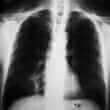
- A chest X-ray is usually used to confirm the presence of pneumonia and to determine the extent and location of the infection.
- Blood tests are usually performed to check white blood cell count, or to look for the presence of viruses, bacteria, or other organisms. A doctor may examine a sample of phlegm (mucus) or blood to help identify the microorganism that is causing the pneumonia.
Complications
- The seriousness of pneumonia depends on the individuals overall health and the type and severity of the pneumonia. If the person is young and healthy, pneumonia can usually be treated successfully. Those with other health conditions, especially from smoking, or if older, pneumonia may be harder to cure. These individuals are also more likely to develop lung complications, some of which can be life-threatening.
- Sepsis: Sepsis, or bacteremia, is bacteria in the bloodstream. Pneumonia can be deadly when inflammation fills the air sacs in the lungs and interferes with the individual's ability to breathe. In some cases the infection may invade the bloodstream. It can then spread quickly to other organs.
- Fluid accumulation: Pleural effusion is when fluid accumulates between the thin, transparent membrane covering the lungs and the membrane that lines the inner surface of the chest wall. Normally, the pleurae are silky smooth, allowing the lungs to slide easily along the chest wall when the individual breathes in and out. But when the pleurae around the lungs become inflamed (called pleurisy), often as a result of pneumonia, fluid can accumulate and may become infected (called empyema).
- Lung abscess: A lung abscess, or a cavity containing pus that forms within the area affected by pneumonia, is another potential complication. Abscesses usually are treated with antibiotics, but in rare cases they may need to be removed surgically.
- Mechanical breathing: Some individuals with pneumonia who cannot breathe on their own may require the assistance of a mechanical ventilator. Ventilator-associated pneumonia has a high mortality rate (up to 40%) and has serious complications, such as acute respiratory distress syndrome (ARDS).
Treatment
- Bacterial pneumonia
: - Antibiotics: Doctors use antibiotics to treat pneumonia caused by bacteria, the most common cause of the condition. The individual usually will continue to take antibiotics for five to 14 days, although they may take them longer if the immune system is impaired. The doctor will choose an antibiotic based on a number of factors, including age, symptoms, how severe the symptoms are, what the cause of the pneumonia is, whether the pneumonia is hospital acquired or community acquired, and whether the individual needs to be hospitalized. Although individuals may start to feel better shortly after beginning the medication, healthcare professionals recommend completing the entire course of antibiotics. Stopping medication too soon may cause the pneumonia to return. It also helps create strains of bacteria that are resistant to antibiotics, an increasingly serious problem in the United States.
- Antibiotics used for bacterial pneumonia include: macrolides, such as erythromycin (Ery-Tab®), clarithromycin (Biaxin® or Biaxin XL®), and azithromycin (Zithromax®); tetracyclines, such as doxycycline (Vibramycin®, Doryx®); and fluoroquinolones, such as levofloxacin (Levaquin®) and moxifloxacin (Vigamox®). Others include: cephalosporins, such as cefaclor (Ceclor®), cefadroxil (Duricef®), and cefuroxime (Ceftin®); penicillins, such as amoxicillin (Amoxil®), amoxicillin/clavulanate potassium (Augmentin®), ticarcillinand/clavulanate (Timentin®); and vancomycin (Vancocin®). Side effects of antibiotics may include nausea, vomiting, stomach discomfort, cramping, and diarrhea. A serious, but less common side effect of vancomycin (Vancocin®) can be loss of hearing.
- Antibiotics usually work well with younger, otherwise healthy people with strong immune systems. Individuals usually see some improvement in symptoms within two to three days. Unless the individual gets worse during this time, a doctor usually will not change the treatment for at least three days. If there is no improvement or if symptoms get worse, the individual may need further testing. These tests help identify the organism that is causing symptoms and determine whether the bacteria may be resistant to the antibiotic.
- Individuals are usually hospitalized with pneumonia if they: are older than 65; have other health problems, such as chronic obstructive pulmonary disease, heart failure, asthma, diabetes, long-term (chronic) kidney failure, or chronic liver disease; cannot care for themselves, or would not be able to tell anyone if the symptoms got worse, such as in dementia; have severe illness with less oxygen getting to the tissues (hypoxia); have chest pain caused by inflammation of the lining of the lung (pleurisy) and therefore are not able to cough up mucus effectively and clear the lungs; are being treated outside a hospital and are not getting better (such as shortness of breath not improving); or are not able to eat or keep food down so that the individual needs to take fluids through a vein (intravenous or IV).
- Viral pneumonia
: - Pneumonia also can be caused by viruses, such as those that cause influenza (flu), herpes, and chickenpox (varicella). At this time, there is no proven medication to treat pneumonia caused by the influenza virus. Home treatment, such as rest and taking care of the cough, is the only treatment. Expectorants, such as guafenesin (Robitussin®), can be used to loosen phlegm. Patiens should drink plenty of fluids.
- Varicella pneumonia, which is rare, can be treated with the antiviral medication acyclovir (Zovirax®).
- Walking pneumonia
: - Walking pneumonia, also known as Mycoplasma pneumonia, is treated with antibiotics, such as those for bacterial pneumonias. Even so, recovery may not be immediate. In some cases, fatigue may continue long after the infection itself has cleared.
- Fungal pneumonia
: - If the pneumonia is caused by a fungus, the individual will likely be treated with an antifungal medication such as fluconazole (Diflucan®) or itraconazole (Sporanox®). Side effects of antifungal medications may include nausea, vomiting, diarrhea, and headache.
- In addition to these treatments, a doctor may recommend over-the-counter (OTC) medications to reduce fever and treat aches and pains, such as aspirin or acetaminophen (Tylenol®), and soothe the cough associated with pneumonia, such as guaifenesin (Robitussin®). Coughs should not be suppressed completely, as coughing helps clear the lungs of phlegm (mucus). Dextromethorphan (Robitussin Maximum Strength®) is a commonly used OTC cough suppressant.
Prevention
- Because pneumonia is a common complication of the flu, getting a flu shot every fall may help prevent pneumonia.
- A vaccine is also available to help fight pneumococcal pneumonia, a type of bacterial pneumonia. A doctor can help individuals decide if they, or a member of their family, need the vaccine against pneumococcal pneumonia. The vaccine is usually given only to people at high risk of getting the disease, such as those with lung conditions, the elderly, smokers, or those with acquired immunodeficiency syndrome (AIDS). The vaccine is not recommended for pregnant women or children under age two. Unlike vaccination with the "flu shot," the pneumococcal vaccine does not need to be given each year. One dosage of the vaccine is usually sufficient, but sometimes doctors recommend a second dose of the vaccine.
- A vaccine known as pneumococcal conjugate vaccine can help protect young children against pneumonia. The vaccine is recommended by healthcare professionals for all children younger than age two and for children two years and older who are at particular risk of pneumococcal disease, such as those with an immune system deficiency, cancer, cardiovascular disease, or sickle cell anemia.
- Side effects of the pneumococcal vaccine are generally minor and include mild soreness or swelling at the injection site.
- Since pneumonia often follows ordinary respiratory infections, the most important preventive measure is to be alert to any symptoms of respiratory trouble that linger more than a few days. Good lifestyle habits, such as proper diet and hygiene, rest, and regular exercise, increase resistance to all respiratory illnesses. They also help promote fast recovery when illness does occur.
- If an individual has pneumonia, they should try to stay away from anyone with a compromised immune system, such as those with acquired immunodeficiency syndrome (AIDS). If that is not possible, protecting others by wearing a face mask and always coughing into a tissue is important.
References
Natural Standard developed the above evidence-based information based on a thorough systematic review of the available scientific articles. For comprehensive information about alternative and complementary therapies on the professional level, go to www.naturalstandard.com. Selected references are listed below.
- American Academy of Family Physicians. . Accessed April 23, 2009.
- American Academy of Pediatrics. . Accessed April 23, 2009.
- American Lung Association. . Accessed April 23, 2009.
- Atkinson M, Yanney M, Stephenson T, et al. Effective treatment strategies for paediatric community-acquired pneumonia. Expert Opin Pharmacother. 2007;8(8):1091-101.
View Abstract - Centers for Disease Control and Prevention. . Accessed April 23, 2009.
- Gorman SK, Slavik RS, Marin J. Corticosteroid treatment of severe community-acquired pneumonia. Ann Pharmacother. 2007;41(7):1233-7.
View Abstract - Isakow W, Morrow LE, Kollef MH. Probiotics for preventing and treating nosocomial infections: review of current evidence and recommendations. Chest. 2007;132(1):286-94.
View Abstract - National Institute of Allergy and Infectious Diseases. . Accessed April 23, 2009.
- Natural Standard: The Authority on Integrative Medicine. . Copyright © 2009. Accessed April 23, 2009.
- Stein RT, Marostica PJ. Community-Acquired pneumonia: A review and recent advances.
Pediatr Pulmonol. 2007 Jun 22; Epub ahead of print.
View Abstract - Targonski PV, Poland GA. Pneumococcal vaccination in adults: recommendations, trends, and prospects. Cleve Clin J Med. 2007;74(6):401-6, 408-10, 413-4.
View Abstract