- Acne is an inflammatory disease of the sebaceous glands (oil producing) and hair follicles of the skin that is marked by the eruption of pimples or pustules, especially on the face.
- Acne is considered a normal response to abnormal levels of the male hormone testosterone.
- An increase in oil secretions may build up beneath a blocked pore, allowing bacteria (including Propionibacterium acnes and yeast) to increase in number and cause inflammation.
- More than four out of five people between the ages of 12 and 24 develop acne at least once in their life. It usually affects individuals in puberty, but can affect people of any age.
- Women may experience mild to moderate acne due to hormonal changes associated with feminine health issues, such as pregnancy, menstrual cycles, menopause, or starting/stopping birth control pills.
- Acne may cause scarring, so care should be taken to reduce the chances of this happening, such as using autologus (from patient's body) fat transfer, dermabrasion, collagen injections, laser treatments, and vitamin E oil.

← Back to Monographs
 medical conditions
Acne
Contents
- Hormonal activity, such as menstrual cycles and puberty.
- Stress.
- Overproduction of sebum (oil).
- Accumulation of dead skin cells.
- Buildup of bacteria in the pores.
- Skin irritation or scratching of any sort will activate inflammation. Friction or pressure on the skin caused by items such as telephones or cell phones, helmets, tight collars and backpacks.
- Certain medications including anabolic steroids (sometimes used illegally by athletes to "bulk up"), some anti-seizure medications, the anti-tuberculosis drugs isoniazid and rifampin, lithium and iodine-containing medications.
- Exposure to high levels of chlorine compounds, particularly chlorinated dioxins, may cause severe, long-lasting acne, known as chloracne.
- Medications: Some medications that may cause acne include anabolic steroids (sometimes used illegally by athletes to "bulk up"), some anti-seizure medications, the anti-tuberculosis drugs isoniazid and rifampin, lithium and iodine-containing medications.
- Chronic physical pressure on the skin: Chafing from the straps of a backpack or tucking a violin between the jaw and chin can cause chronic physical pressure on the skin and may induce a condition known as acne mechanica.
- Chlorinated industrial chemicals: These may induce the occupational skin disorder known as chloracne.
- Metabolic conditions: Changes in the hormonal balance, such as those brought about by pregnancy, menstruation or hormonal abnormalities may induce acne.
- Acne typically appears on the face, neck, chest, back and shoulders, which are the areas of the skin with the largest number of functional oil glands. The face is the main place to see acne symptoms.
- Whiteheads: These are created when the openings of hair follicles become clogged and blocked with oil secretions and dead skin.
- Blackheads: These are similar to whiteheads, but are open to the skin surface and darken.
- Pimples: These are raised, reddish spots that signal inflammation or infection in the hair follicles.
- Cysts: These are thick lumps beneath the surface of the skin, which are formed by the buildup of secretions deep within hair follicles.
- The appearances of skin lesions occur wherever there is numerous oil or sweat glands, mainly on the face, chest, and back. The typical acne lesions include comedones (whitehead, blackhead), papules (reddened, no pus), pustules (reddened, pus), nodules, and inflammatory cysts. These are the more inflamed form of pus-filled or reddish bumps, even boil-like tender swellings. Non-inflamed sebaceous cysts (also called epidermoid cysts) occur either in association with acne or alone but are not a constant feature. After resolution of acne lesions, prominent unsightly scars may remain.
- Scarring of the skin may occur if acne is not controlled or treated.
- Social complications and problems due to acne include social withdrawal, decreased self-esteem, reduced self-confidence, poor body image, embarrassment, feelings of depression, anger, preoccupation, frustration, and higher rate of unemployment.
Conventional acne treatments are based around reducing oil production, speeding up skin cell turnover, fighting bacterial infection or all three. Acne treatments may take four to eight weeks for results. Seeking treatment from a doctor for acne or acne-related symptoms may be necessary if embarrassment, mood changes, scaring, pain, or skin discoloration occurs. Topical treatments: Topical products for acne may dry up the oil, kill bacteria and promote sloughing of dead skin cells. There are many different topical over-the-counter acne products available. The two most commonly used over-the-counter acne medications are benzoyl peroxide (such as Clean & Clear®, Persa-Gel®, or Oxy 10 Spot Treatment®) and salicylic acid (including Biore Blemish Bomb® or ClearasilStay Clear®, and Zone Control Clearstic®). Generally, these medications are useful for people with mild acne. They help to open up clogged pores and have some antibacterial activity. It can take several weeks to see an improvement in symptoms. If products containing salicylic acid and benzoyl peroxide don't work well, products with sulfur and/or resorcinol (such as Clearasil Adult Care®) may be used. While such products may be effective, they do have a noticeable color and odor. Topical prescription medicines for acne include Tretinoin (Avita®, Retin-A®, Renova®) and adapalene (Differin®). These products are derived from vitamin A, and work by promoting cell turnover and preventing blockage of the hair follicle. A number of topical antibiotics also are available. They work by killing excess skin bacteria. Often, a combination of such products is required to achieve optimal results. Topical antibiotics may also be used, such as erythromycin and clindamycin. Antibiotics: For moderate to severe acne, prescription oral or topical antibiotics may be needed to reduce bacteria and fight inflammation. Antibiotics may be used for months or years to control acne, and may be used alone or in combination with topical therapy. Antibiotics can cause side effects such as yeast infections and diarrhea. Antibiotics can also lessen the effectiveness of birth control pills by killing beneficial bacteria in the gastrointestinal tract that is responsible for hormone metabolism. Tetracycline: Tetracycline is the most widely prescribed antibiotic for acne. The usual starting dose is 500mg twice a day continued until a significant decrease in acne lesions is seen. The dose can then be decreased to 250mg twice a day or discontinued. Tetracycline antibiotics must be taken on an empty stomach to be the most effective. Tetracycline should not be given to pregnant women or children under 9 years of age as tooth discoloration in children is common. Other tetraclyclines include minocycline (Minocin®, 50-100mg twice daily, especially useful for pustular type acne) and doxycycline (Vibramycin®, 50-100mg twice daily, may cause sun sensitivity). Erythromycin: Erythromycin may also be used. It has anti-inflammatory properties that help reduce redness in lesions, in addition to killing bacteria. And it can and should be taken with food. The dosage of erythromycin varies with the type used, but it is typically prescribed as 250-500mg twice a day. It can cause stomach upset and nausea, but can be used in pregnant women. Clindamycin: Clindamycin (Cleocin®) is very useful as an oral antibiotic for acne, but it is most widely prescribed as a topical antibiotic. The starting dose is 75-150mg twice a day. The major side effect of clindamycin therapy is serious intestinal infection called pseudomembranous colitis caused by the bacteria, Clostridium difficile. Isotretinoin: Isotretinoin (Accutane®) may be used for scarring cystic acne or acne that doesn't respond to other treatments and is reserved for the most severe forms of acne. Although this therapy is very effective, individuals taking it need close monitoring by a doctor because of the possibility of severe side effects. Isotretinoin is associated with severe birth defects, so it cannot be taken by pregnant women or women who may become pregnant during the course of treatment or within several weeks of stopping treatment. Severe mental disorders including depression and suicide may also occur. Other serious side effects associated with the use of Accutane® include heart, brain, bone/muscle, gastrointestinal, cholesterol, hearing, vision, and liver problems. Severe allergic reactions have also been reported. Pharmacists must also hand out a detailed warning brochure from the U.S. Food and Drug Administration (FDA), called a Medguide, to all patients prescribed Accutane®. Oral contraceptives: Oral contraceptives, including a combination of norgestimate and ethinyl estradiol (Ortho-Cyclen®, Ortho Tri-Cyclen®), have been reported to improve acne in women. Cosmetic surgery: Cosmetic surgery may be used to diminish scars left by acne. Procedures include peeling away damaged skin with chemicals or by freezing it, dermabrasion, intense light therapy and laser resurfacing.
Strong scientific evidence
- Vitamin A: Derivatives of vitamin A, retinoids, are used to treat skin disorders such as acne. Vitamin A supplements should not be used simultaneously with prescription medications, especially Accutane®, due to a risk of increased toxicity. Avoid if allergic or hypersensitive to vitamin A. Vitamin A toxicity can occur if taken at high dosages. Use cautiously with liver disease or alcoholism. Smokers who consume alcohol and beta-carotene may be at an increased risk for lung cancer or heart disease. Vitamin A appears to be safe in pregnant women if taken at recommended doses; however, vitamin A excess, as well as deficiency, has been associated with birth defects. Excessive doses of vitamin A have been associated with central nervous system malformations. Use cautiously if breastfeeding because the benefits or dangers to nursing infants are not clearly established.
Good scientific evidence
- Zinc:
Several studies identify a positive correlation between serum zinc levels and severity of acne, however others did not, and it remains to be determined to which degree internal zinc levels may correlate with the severity of acne. Based on high quality studies, topical or oral use of zinc seems to be a safe and effective treatment for acne vulgaris. Zinc is generally considered safe when taken at the recommended dosages. Avoid zinc chloride since studies have not been done on its safety or effectiveness. Avoid with kidney disease. Use cautiously if pregnant or breastfeeding.
Unclear or conflicting scientific evidence
- Guggul:
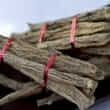
Guggul (Commiphora mukul), an herbal supplement commonly used in India, has been found to possess anti-inflammatory properties and has been suggested as an oral therapy for acne. Preliminary data from small, methodologically weak human studies suggest possible short-term improvements in the number of acne lesions. Caution is advised when taking guggul supplements as adverse effects including drug interactions are possible. Guggul is not recommended during pregnancy or breastfeeding unless otherwise advised by a doctor. Avoid if allergic to guggul. Avoid with a history of thyroid disorders, anorexia, bulimia or bleeding disorders. Signs of allergy to guggul may include itching and shortness of breath.
Avoid if pregnant or breastfeeding. - Tea tree oil: Topical application of tea tree (Melaleuca alternifolia) oil may be beneficial in acne vulgaris. The tea tree is found in Australia and its oil is used for antibacterial effects, including positive studies on preventing and healing acne outbreaks. Tea tree oil is applied (diluted) onto areas with acne, three times daily. Avoid allergic or hypersensitive to tea tree oil (Melaleuca alternifolia), any of its constituents, balsam of Peru, benzoin, colophony (rosin) tinctures, eucalyptol, or other members of the Myrtle (Myrtaceae) family. Avoid taking tea tree oil by mouth. Avoid if taking antineoplastic agents. Use tea tree oil applied to the skin cautiously in patients with previous tea tree oil use. Avoid if pregnant or breastfeeding.
- Wash the face with mild soap and water several times daily to prevent pore clogging and oil buildup.
- Avoid repeated exposure to an environment that promotes oil production and clogging of the pores.
- Rubbing and friction from clothing, hair, and sporting equipment may also irritate acne-prone skin.
- Try not to "pop" pimples or touch them, as infection may occur.
- Avoid skin irritants such as cosmetics or shaving with an electric razor.
- Stress has been associated with occurrence of acne.
Meditation
~,
exercise
~,
music therapy
~, and
massage
~ have been reported to decrease stress. - Nutritional changes along with the addition of supplements (vitamins, minerals and herbs) may be effective in preventing acne, improving immunity, decreasing stress, and in supporting general health.
- Taking a multivitamin that contains the antioxidant vitamins A, C, and E, the B-complex vitamins, and trace minerals such as magnesium, zinc, and selenium can help protect the body from acne.
- Although still controversial, consuming less dairy products such as milk and cheese, may decrease acne. It is thought that the hormones contained in milk may be a causative factor in developing acne. Drinking soy milk or organic milk that does not contain hormones may help decrease acne.
- Try to avoid refined foods such as white breads, pastas, and sugar. The high glycemic index of these foods has been reported to increase acne outbreaks and symptoms.
- Eat antioxidant containing foods, including fruits (such as berries, grapes, and tomatoes), and vegetables (such as peppers and carrots). Studies report that oxidation may be a causative factor in developing acne.
- Seafood, which contains high levels of iodine, has been reported to increase the incidence of getting acne. Avoiding seafood may decrease the chances of developing acne.
- Chocolate has been thought to cause acne for years, but scientists have found no link between chocolate consumption and acne outbreaks. However, overconsumption, especially of milk chocolate, may cause poor glycemic control which may increase the chances of acne outbreaks.
Natural Standard developed the above evidence-based information based on a thorough systematic review of the available scientific articles. For comprehensive information about alternative and complementary therapies on the professional level, go to www.naturalstandard.com. Selected references are listed below.
- American Academy of Dermatology. . Accessed February 24, 2009.
- American Dermatological Association. . Accessed February 24, 2009.
- Adebamowo CA, Spiegelman D, Berkey CS, et al., Milk consumption and acne in adolescent girls. Dermatol Online J. 2006;12(4):1.
View Abstract - Amann W. [Improvement of acne vulgaris following therapy with agnus castus (Agnolyt)]. Ther Ggw. 1967 Jan;106(1):124-6.
View Abstract - Arbesman H. Dairy and acne-the iodine connection. J Am Acad Dermatol. 2005;53(6):1102.
View Abstract - Arican O, Kurutas EB, Sasmaz S. Oxidative stress in patients with acne vulgaris. Mediators Inflamm. 2005;2005(6):380-4.
View Abstract - Bassett IB, Pannowitz DL, Barnetson RS. A comparative study of tea-tree oil versus benzoylperoxide in the treatment of acne. Med J Aust. 1990;153(8):455-8.
View Abstract - Chen D, Jiang N, Cong X. 47 cases of acne treated by prick-bloodletting plus cupping. J Tradit Chin Med. 1993;13(3):185-6.
View Abstract - Chiu A, Chon SY, Kimball AB. The response of skin disease to stress: changes in the severity of acne vulgaris as affected by examination stress. Arch Dermatol. 2003;139(7):897-900.
View Abstract - Doron S, Gorbach SL. Probiotics: their role in the treatment and prevention of disease. Expert Rev Anti Infect Ther. 2006; 4(2):261-75.
View Abstract - Ernst E, Huntley A. Tea tree oil: a systematic review of randomized clinical trials. Forsch Komplementarmed Klass Naturheilkd. 2000;7(1):17-20.
View Abstract - Logan AC. Omega-3 fatty acids and acne. Arch Dermatol. 2003;139(7):941-2; author reply 942-3.
View Abstract - Magin PJ, Adams J, Pond CD, Smith W. Topical and oral CAM in acne: a review of the empirical evidence and a consideration of its context. Complement Ther Med. 2006;14(1):62-76.
View Abstract - Natural Standard: The Authority on Integrative Medicine. Copyright © 2009. . Accessed February 24, 2009.
- Niren NM. Pharmacologic doses of nicotinamide in the treatment of inflammatory skin conditions: a review. Cutis. 2006;77 (1 Suppl):11-6.
View Abstract - Simopoulos AP. Evolutionary aspects of diet, the omega-6/omega-3 ratio and genetic variation: nutritional implications for chronic diseases. Biomed Pharmacother. 2006;60(9):502-7.
View Abstract - Thappa DM, Dogra J. Nodulocystic acne: oral gugulipid versus tetracycline. J Dermatol. 1994;21(10):729-31.
View Abstract
Disclaimer: This tool is intended for informational purposes only, and should not be interpreted as specific medical advice. Patients should consult with a qualified healthcare provider before making decisions about therapies and/or health conditions.