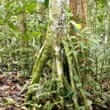
- Foxglove is a common name for plants belonging to the Digitalis species, including Digitalis purpurea and Digitalis lanata. Traditional medicine has used foxglove to treat heart conditions, fevers, wounds, swelling or inflammation, sores, ulcers, cancer, edema, and infections.
- Reports describe foxglove leaves as being similar to those of other species, such as Inula conyza (ploughman's spikenard), Inula helenium (elecampane), Symphytum officinale (comfrey), Verbascum thapsus (great mullein), and Primulaceae (primrose).
- Foxglove is rarely used for modern medical purposes because of its toxic effects, including nausea, vomiting, green-yellow vision, and death. Still, foxglove and other Digitalis species contain cardiac glycosides, agents known to increase the strength and speed of heartbeats, making it seemingly useful for treating certain heart disorders. However, scientific studies on the safety and efficacy of the crude herb are lacking. However, the modern drug digoxin is extracted from Digitalis lanata and is used to treat certain heart conditions. However, digoxin, unlike crude samples of foxglove, is standardized in controlled laboratory settings.

← Back to Monographs
ingredients
Digitalis
Contents
- Aikawa JK, Reardon JZ, Harms DR. Effects of digitoxin on exchangeable and tissue contents of magnesium. Proc.Soc.Exp.Biol.Med 1961;108:684-686. View Abstract
- Bessen HA. Therapeutic and toxic effects of digitalis: William Withering, 1785. J.Emerg.Med. 1986;4(3):243-248. View Abstract
- Brunton TL, Tunnicliffe FW. On the Cause of the Rise of Blood-pressure produced by Digitalis. J Physiol 10-19-1896;20(4-5):354-363. View Abstract
- dos Santos MD, Almeida MC, Lopes NP, de Souza GE. Evaluation of the anti-inflammatory, analgesic and antipyretic activities of the natural polyphenol chlorogenic acid. Biol.Pharm.Bull. 2006;29(11):2236-2240. View Abstract
- Harada T, Ohtaki E, Misu K, Sumiyoshi T, Hosoda S. Congestive heart failure caused by digitalis toxicity in an elderly man taking a licorice-containing chinese herbal laxative. Cardiology 2002;98(4):218. View Abstract
- Hobbs RE. Digoxin's effect on mortality and hospitalization in heart failure: implications of the DIG study. Digitalis Investigation Group. Cleve.Clin.J.Med. 1997;64(5):234-237. View Abstract
- Hollman A. Drugs for atrial fibrillation. Digoxin comes from Digitalis lanata. BMJ 4-6-1996;312(7035):912. View Abstract
- Kim YW, Andrews CE, Ruth WE. Serum magnesium and cardiac arrhythmias with special reference to digitalis intoxication. Am.J Med Sci 1961;242:87-92. View Abstract
- Nahum LH. Potassium and digitalis. Conn.Med 1965;29:331-332. View Abstract
- Oishi A, Miyamoto K, Kashii S, Yoshimura N. Photopsia as a manifestation of digitalis toxicity. Can.J Ophthalmol. 2006;41(5):603-604. View Abstract
- Packer M, Gheorghiade M, Young JB, Costantini PJ, Adams KF, Cody RJ, Smith LK, Van Voorhees L, Gourley LA, Jolly MK. Withdrawal of digoxin from patients with chronic heart failure treated with angiotensin-converting-enzyme inhibitors. RADIANCE Study. N.Engl.J Med 7-1-1993;329(1):1-7. View Abstract
- Poole-Wilson PA. Digitalis: dead or alive? Cardiology 1988;75 Suppl 1:103-109. View Abstract
- Simpkiss M, Holt D. Digitalis poisoning due to the accidental ingestion of foxglove leaves. Ther.Drug Monit. 1983;5(2):217. View Abstract
- Slifman NR, Obermeyer WR, Aloi BK, Musser SM, Correll WA Jr, Cichowicz SM, Betz JM, Love LA. Contamination of botanical dietary supplements by Digitalis lanata. N.Engl.J.Med. 9-17-1998;339(12):806-811. View Abstract
- Wade OL. Digoxin 1785-1985. I. Two hundred years of digitalis. J.Clin.Hosp.Pharm. 1986;11(1):3-9. View Abstract
Disclaimer: This tool is intended for informational purposes only, and should not be interpreted as specific medical advice. Patients should consult with a qualified healthcare provider before making decisions about therapies and/or health conditions.