- Dry mouth, or xerostomia, is a
reduction of saliva production. Xerostomia is a common problem, and it is important not to ignore a dry mouth.
Xerostomia is not a disease, but it may be a symptom of various medical conditions, a side effect of a radiation to the head and neck, or a side effect of a wide variety of medications. - The average healthy adult produces about three pints of saliva in 24 hours. This secretion serves many purposes. Saliva is important in the digestive process of breaking foods down
for absorption and use by the body. Saliva washes away food and plaque from the teeth and helps prevent tooth decay. Saliva also limits bacterial growth that can dissolve tooth enamel or lead to mouth infections. Saliva neutralizes damaging acids in the mouth, enhances the ability to taste food, and makes it easier to swallow. - Xerostomia is a common complaint found often among older adults, affecting approximately 20% of the elderly. Mouth dryness may be due in part to the effects of aging. According to proposed theories, as individuals age, the salivary glands may secrete less saliva.
- Xerostomia may be caused by medications, such as antihypertensives, antidepressants, analgesics, tranquilizers, diuretics, chemotherapy, and antihistamines. Xerostomia may also be caused by other health conditions, such as bone marrow transplants, endocrine disorders, stress, depression, nerve damage to the neck of face areas, and Sjogren's syndrome (an autoimmune disease). Also, radiation treatment that is focused on or near the salivary gland can temporarily or permanently damage the salivary glands.
- Methods to reduce mouth dryness include hydration (drinking plenty of fluids such as water) and sucking on sugar-free lozenges, which can stimulate the production of saliva.
- Although the treatment depends on the cause, dry mouth is often a side effect of medications. Dry mouth may improve with an adjusted dosage or new prescription.

← Back to Monographs
 medical conditions
Dry mouth
Contents
- Aside from the sensation of dryness in the mouth, xerostomia may result in: saliva that seems thick, stringy; sores or split skin at the corners of the mouth; cracked lips; bad breath; difficulty speaking and swallowing; sore throat; an altered sense of taste; and increased plaque, tooth decay, and gum disease. In women, lipstick may adhere to the front teeth
due to dryness.
- To determine if an individual is suffering from xerostomia, a doctor or dentist likely will examine the individual's mouth and review their medical history. Sometimes, blood tests and imaging scans of the salivary glands are needed to identify the cause.
The doctor will check for underlying health conditions that may also be causing dry mouth. - Sialometry: Sialometry is the measurement of the rate of saliva production. Sialometry uses collection devices that are placed over saliva glands. The salivary glands are stimulated, usually using chemicals such as citric acid, and the flow of saliva from the glands is measured. This procedure can be performed in a doctor's office.
- In addition to difficulty with eating and talking, dry mouth may cause dental problems. Saliva helps maintain a balance of bacteria in the mouth and is antibacterial. Without enough saliva, the bacteria and other organisms in the mouth can grow too quickly, causing cavities, infections, and mouth sores. Saliva also washes away acids and food particles left in the mouth after eating. Therefore, a lack of saliva can cause cavities and gum disease.
- A doctor will determine the underlying cause of dry mouth in the patient and then take steps to minimize the underlying cause, such as stopping a medication causing the dry mouth. For many individuals, however, little can be done to alter the underlying cause. However, there are methods to manage the symptoms of dry mouth.
- If the dryness is due to drugs or medications, it may be possible for a doctor to advise the individual to stop taking those drugs, reduce their intake, or switch to another "less drying" medication. If the dryness is due to a specific disease, such as diabetes, proper treatment of the disease will decrease the intensity of dry mouth symptoms. Occasionally, it is not known what causes dry mouth. Examples of these conditions include Sjögren's Syndrome or rheumatoid arthritis. In these instances, dry mouth symptoms are treated. Prescription medications should never be discontinued or decreased unless under the supervision of a doctor or pharmacist.
- Symptomatic treatment typically includes four areas: increasing existing saliva flow, replacing lost secretions, control of dental cavities, and specific measures, such as treatment of infections.
- Saliva stimulants (also called sialagogues), such as sugarless candies and chewing gum, may be used to stimulate saliva flow when the saliva glands are still functioning. Individuals should be advised to take frequent sips of water throughout the day and to suck on ice chips. Eating foods such as carrots or celery may also help patients with residual salivary gland function. The addition of flavor enhancers, such as spices and fruit extracts, may make food more palatable to individuals complaining of their food tasting bland, papery, salty, or otherwise unpleasant.
- Lubricants such as Orajel® or Vaseline® and glycerin swabs on the lips and under dentures may relieve drying, cracking, soreness, and damage to the mucous membranes (such as lips). These lubricants may also be used as a substitute for saliva in some individuals.
- There are several over-the-counter (OTC) products that are available to provide assistance in the management of xerostomia. These products range from saliva substitutes and stimulants to products designed to minimize dental problems.
- Saliva substitutes: Artificial saliva or saliva substitutes can be used to replace moisture and lubricate the mouth. Artificial salvias are formulated to mimic natural saliva, but they do not stimulate salivary gland production.
- Commercially available products come in a variety of formulations including solutions, sprays, gels, and lozenges. In general, they contain an agent to increase the thickness of the saliva. They include carboxymethylcellulose or hydroxyethylcellulose, minerals such as calcium and phosphate ions and fluoride, preservatives such as methyl- or propylparaben, and flavoring and related agents.
- Some commercially available saliva substitutes include: Moi-Stir® Oral Swabsticks swabs; Optimoist® spray; Saliva Substitute® liquid; and Xero-Lube® Artificial Saliva sodium-free spray.
- Saliva stimulants: Over-the-counter (OTC) saliva stimulants are available. Natrol Dry Mouth Relief® uses a patented pharmaceutical grade of anhydrous crystalline maltose (ACM) to stimulate saliva production. Natrol Dry Mouth Relief® lozenges may be dissolved in the mouth three times daily.
- Dentifrices: A dentrifice is a preparation for cleansing and polishing the teeth; it may contain compounds, such as fluoride, to stop dental cavities. Dentrifices that may help decrease dry mouth include Biotene® Dry Mouth Toothpaste and Biotene® Gentle Mouthwash.
- Pilocarpine tablets:
Pilocarpine tablets (Salagen®) are used to treat dryness of the mouth and throat. These decreases in saliva production are caused by a decrease in the amount of saliva that may occur after radiation treatment for cancer of the head and neck or in patients with Sjögren's syndrome. Pilocarpine stimulates the salivary glands to produce saliva. Pilocarpine is only available with a prescription. - Pilocarpine should not be used in those with uncontrolled asthma, narrow-angle glaucoma, iritis (inflammation of the iris), or individuals who are pregnant. The most common side effects are increased sweating and gastrointestinal disturbances, such as nausea and diarrhea.
- Cevimeline: Cevimeline (Evoxac®) is another prescription medication used to stimulate the production of saliva. Cevimeline is indicated for the treatment of symptoms of dry mouth in individuals with Sjögren's syndrome. Side effects are similar to pilocarpine.
- Other medications: Human interferon alfa (IFN-a) is currently undergoing clinical trials to determine the safety and efficacy of low-dose lozenges in the treatment of salivary gland dysfunction and xerostomia in patients with Sjögren's syndrome.
Unclear or conflicting scientific evidence
- Acupuncture
: The practice of acupuncture originated in China 5,000 years ago. Today, it is widely used throughout the world and is one of the main pillars of Chinese medicine. There is some limited evidence suggesting that acupuncture may stimulate salivary flow in some patients with dry mouth. More studies of better design are needed to evaluate this use. - Needles must be sterile in order to avoid disease transmission. Avoid with valvular heart disease, infections, bleeding disorders, or with agents that increase the risk of bleeding (anticoagulants), medical conditions of unknown origin, and neurological disorders. Avoid on areas that have received radiation therapy and during pregnancy. Use cautiously with pulmonary diseases (like asthma or emphysema). Use cautiously in elderly or medically compromised patients, diabetics, or with history of seizures. Avoid electroacupuncture with arrhythmia (irregular heartbeat) or in patients with pacemakers.
- Anhydrous crystalline maltose
: Anhydrous crystalline maltose (ACM) has been used as a food stabilizer in foods, cosmetics, and pharmaceuticals. It may be effective for relieving symptoms of dry mouth associated with Sjogren's syndrome, however, additional study is needed. - Avoid if allergic or hypersensitive to anhydrous crystalline maltose. Avoid if pregnant or breastfeeding.
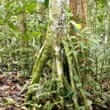
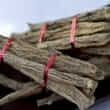
- Betel nut
: Betel nut chewing may have salivary stimulant properties. However, it is not clear if this is helpful for any specific health condition. Additionally, due to known toxicities from betel nut use, the risks may outweigh any potential benefits. - Betel nut cannot be considered safe for human use by mouth. This is due to toxic effects associated with short or long-term chewing or eating of betel nut. Avoid if allergic to betel nut or other plants of the Palmaceae family. Avoid if pregnant or breastfeeding.
- DHEA (dehydroepiandrosterone)
: DHEA (dehydroepiandrosterone) is an endogenous hormone (made in the human body) and secreted by the adrenal gland. DHEA serves as precursor to male and female sex hormones (androgens and estrogens). DHEA levels in the body begin to decrease after age 30. DHEA showed no evidence of efficacy in Sjogren's syndrome in preliminary study. Without evidence for efficacy, patients with Sjogren's syndrome should avoid using unregulated DHEA supplements, since long-term adverse consequences of exposure to this hormone are unknown. Further research is needed in this area. - Avoid if allergic to DHEA. Avoid with a history of seizures. Use cautiously with adrenal or thyroid disorders or if taking anticoagulants, or drugs, herbs or supplements for diabetes, heart disease, seizure or stroke. Stop use two weeks before surgery/dental/diagnostic procedures with bleeding risk, and do not use immediately after these procedures. Avoid if pregnant or breastfeeding.
- Gamma-linolenic acid
: Currently, there is limited evidence showing that GLA is effective in treating Sjogren's syndrome. Additional study is needed before a conclusion can be made. - Use cautiously with drugs that increase the risk of bleeding, such as anticoagulants and anti-platelet drugs. Avoid if pregnant or breastfeeding.
- Yohimbe
: The terms yohimbine, yohimbine hydrochloride, and yohimbe bark extract are related but not interchangeable. Yohimbine is an active chemical (indole alkaloid) found in the bark of the Pausinystalia yohimbe tree. Studies report that yohimbine is able to increase saliva in animals and in humans. Based on these few studies, yohimbine has been used for the treatment of dry mouth caused by medications, such as antidepressants. However, yohimbe bark extract may not contain significant amounts of yohimbine, and therefore may not have these effects. More research is needed. - Multiple drug interactions may occur with the use of yohimbe, including antihypertensive drugs and stimulants. A pharmacist or doctor should be consulted before using yohimbe. Avoid if allergic to yohimbe, any of its components, or yohimbine-containing products. Use cautiously with peptic ulcer disease, kidney disease, high blood pressure, heart disease, or if taking drugs that affect blood sugar levels. Avoid with benign prostate hypertrophy (enlarged prostate), anxiety, mania, depression, stress disorders, post-traumatic stress disorders, bipolar disorders, or schizophrenia. Avoid in children or if pregnant or breastfeeding.
- When the cause of xerostomia cannot be determined or cannot be resolved, the individual may be able to improve saliva flow by sucking on sugar-free hard candy or chewing sugar-free gum. It is best to avoid acidic foods or hard candies, as they make saliva acidic, increasing the possibility of tooth decay. It is also a good idea to avoid sugary foods and candies because they increase the risk of tooth decay as well.
- If the individual smokes or chews tobacco, quitting will reduce symptoms of dry mouth.
- To protect the teeth, healthcare professionals recommend brushing with fluoride toothpaste after meals and visiting a dentist regularly. A doctor or dentist may suggest using prescription fluoride toothpaste. Using a fluoride rinse or brush-on fluoride gel before bedtime also may offer protection
from cavities. - Individuals may also: sip water regularly; try over-the-counter saliva substitutes, such as Saliva Substitute®; and avoid drinks with caffeine, such as coffee, tea, and some sodas. Caffeine can dry out the mouth. It is best to breathe through the nose, not the mouth, and add moisture to the air at night with a room humidifier.
- Plenty of water is recommended by healthcare professionals. At least six to eight, 8-ounce glasses of water daily should be consumed to prevent symptoms of dehydration, such as dry mouth.
- Chambers MS, Rosenthal DI, Weber RS. Radiation-induced xerostomia. Head Neck. 2007;29(1):58-63.
View Abstract - American Academy of Family Physicians. . Accessed March 23, 2009.
- Dirix P, Nuyts S, Van den Bogaert W. Radiation-induced xerostomia in patients with head and neck cancer: a literature review. Cancer. 2006;107(11):2525-34.
View Abstract - Gupta A, Epstein JB, Sroussi H. Hyposalivation in elderly patients. J Can Dent Assoc. 2006;72(9):841-6.
View Abstract - Madani G, Beale T. Inflammatory conditions of the salivary glands. Semin Ultrasound CT MR. 2006;27(6):440-51.
View Abstract - National Institute of Dental and Craniofacial Research. . Accessed March 23, 2009.
- Natural Standard: The Authority on Integrative Medicine. . Copyright © 2009. Accessed March 23, 2009.
- Sjögren's Syndrome Foundation. . Copyright © 2007. Accessed March 23, 2009.
- Urquhart D, Fowler CE. Review of the use of polymers in saliva substitutes for symptomatic relief of xerostomia. J Clin Dent. 2006;17(2):29-33.
View Abstract
Disclaimer: This tool is intended for informational purposes only, and should not be interpreted as specific medical advice. Patients should consult with a qualified healthcare provider before making decisions about therapies and/or health conditions.