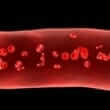
- Hemophilia is an inherited bleeding disorder that affects the ability of blood to clot. Blood clots normally form after injury to the skin and allow the skin to heal normally. In patients with hemophilia, blood clots don't form properly, leading to bleeding that ranges from mild to severe.
- Hemophilia is caused by defects in proteins called clotting factors. Patients with hemophilia have either defective forms of clotting factor VIII or clotting factor IX. These proteins function in coagulation, during which a protein net is formed around torn blood vessels to stop the bleeding.
- Symptoms of hemophilia usually appear during infancy or early childhood. Due to an inability to properly form clots, patients with hemophilia experience prolonged bleeding in response to injuries, such as scrapes, bruises, cuts, or nosebleeds, as well as after surgical procedures. Some patients with hemophilia may experience pain and swelling in their joints, including in the knees, elbows, ankles, shoulders, and hips. This is due to internal bleeding in the joint. Women with hemophilia may experience severe bleeding during menstruation or child birth.
- In the United States, about 17,000 people have hemophilia. About one in 7,500 live male births has hemophilia and about one in 25,000,000 live female births has hemophilia.
- Currently, there is no known cure for hemophilia. However, if treated properly, patients can live normal, healthy lives. Patients with hemophilia may receive clotting factor replacement therapy to restore the missing clotting factor function.

← Back to Monographs
 medical conditions
Hemophilia
Contents
- Hemophilia is known to be caused by mutations, or errors, in genes that contain instructions for making clotting factors. These genes are located on the X chromosome, which is one of the sex chromosomes.
- Females have two copies of the X chromosome, whereas males have one copy of the X chromosome and one copy of the Y chromosome. For a female to have hemophilia, both of her X chromosomes have to carry a mutated clotting factor gene. If a female only has one abnormal clotting factor gene, she will not have hemophilia because the normal gene on the other X chromosome can compensate for the defective gene.
- However, males only need to inherit one mutated clotting factor gene to have hemophilia. This is because males do not have a second X chromosome that might provide a normal clotting factor gene. For this reason, males are affected by hemophilia much more often than females.
- Females inherit one X chromosome from each parent, while males receive one X chromosome from the mother and one Y chromosome from the father. A female who has a mutant clotting factor gene on one X chromosome has a 50% risk of passing the mutant gene to a son. Therefore, if the mother has one mutated gene, each son will have a 50% chance of having hemophilia.
- A woman who has mutant clotting factor genes on both X chromosomes has a 100% risk of passing the mutation to a son. Therefore, each son of a mother with hemophilia will also have the disorder.
- Males who have a mutant clotting factor gene on their X chromosome are affected by hemophilia. However, they are not at risk for passing the mutation to their son(s). Therefore, hemophilia is a condition that is genetically inherited by an individual from his mother.
- However, a male with hemophilia may pass the defective clotting factor gene to his daughter(s). Because males only pass X chromosomes to their daughters, each daughter of a male with hemophilia will carry one defective clotting factor gene.
- If females have just one copy of the mutated gene, they are called carriers. Carriers of hemophilia generally do not experience any symptoms, but may pass the mutated gene to their children.
- Because hemophilia is an inherited genetic disease, the risk of disease increases in closely related families.
- About one in 7,500 live male births and about one in 25,000,000 live female births has hemophilia.
- Inheritance: Hemophilia is caused by defects, or mutations, in genes that make proteins called clotting factors. These proteins function in coagulation, which is a step in the clotting process when a protein net (made from fibrin) is formed around torn blood vessels to stop the bleeding. These clotting factors help cells in the blood called platelets stick together at the site of an injury.
- Patients with hemophilia have mutations in genes that contain instructions for making clotting factors. There are two genes on the X chromosome, called F8 and F9, which make the clotting factor proteins. Mutations in these genes may result in reduced levels of clotting factors or may completely eliminate clotting factor activity. In either case, blood clots do not form properly in patients with hemophilia.
- About 80% of inherited hemophilia cases are caused by a mutation in F8 and 20% have a mutation in F9. Patients with F8 mutations are designated as having hemophilia A and patients with F9 mutations are designated as having hemophilia B. The symptoms of patients with hemophilia B may be more severe than those with hemophilia A. Also, depending on the severity of the mutation (how much protein function is altered) affecting the clotting factor gene, some patients may have more severe symptoms than other patients.
- Random occurrence: About 70% of cases of hemophilia are inherited, meaning that a defective clotting factor gene was transmitted from a parent to the child. However, about 30% of cases of hemophilia are not inherited, but instead result from a spontaneously arising mutation in the egg or in early embryonic development.
- Other: Some individuals are not born with mutations that cause hemophilia, but develop the disease later in life. This is referred to as acquired hemophilia. Acquired hemophilia is thought to occur when the immune system malfunctions and attacks clotting factor proteins, causing the clotting factor proteins to malfunction. Acquired hemophilia is typically seen in older individuals, over the age of 50.
- Symptoms of hemophilia usually appear during infancy or early childhood. Due to an inability to properly form clots, patients with hemophilia experience prolonged bleeding in response to injuries (such as scrapes and cuts) or nosebleeds. Patients with hemophilia may experience excessive bleeding after undergoing surgical or dental procedures and may also be more susceptible to bruising.
- Some patients with hemophilia have blood in their urine (hematuria) or stool (hematochezia). This is usually a result of internal bleeding from an organ, such as the kidney, bladder, intestines, or stomach.
- The severity of symptoms in patients with hemophilia may vary, with some patients experiencing more difficulty in forming clots than others. Typically, patients with hemophilia B have more difficulty forming clots than patients with hemophilia A. Patients with severe hemophilia may take days or weeks to heal from an injury. In patients who have more mild hemophilia, prolonged bleeding may only result after very severe injuries or surgery.
- Blood tests: If patients experience symptoms of hemophilia (such as prolonged bleeding), doctors may diagnose the condition by performing blood tests. In a blood test, a doctor will draw a small amount of blood and check for the presence of clotting factors. If a specific clotting factor is missing or found at very low levels, a diagnosis of hemophilia can be made. Additionally, tests can be performed on blood to measure whether clotting is abnormally slow. Blood tests may be performed on a developing fetus as well as after birth.
- If the level of clotting factor is less than one percent of normal levels, a patient is diagnosed with severe hemophilia. Patients with clotting factor levels between one percent and five percent of normal levels are diagnosed with moderate hemophilia, and patients with clotting factor levels between five percent and thirty percent of normal levels are diagnosed with mild hemophilia.
- Genetic testing: Mutations in clotting factor genes are known to cause hemophilia. Mutations that may occur in clotting factor genes include inversions (a reverse in the gene orientation) and partial or complete deletions. Genetic tests can be used to check for these mutations and to diagnose hemophilia. These tests may be used to confirm a diagnosis if there is a family history of hemophilia or if symptoms of hemophilia are present.
- Joint bleeding: Some patients with hemophilia may experience pain and swelling in their joints, including in the knees, elbows, ankles, shoulders, and hips. This is due to internal bleeding in the joint. Joint bleeding may occur without any obvious injury, and in severe cases, joint bleeding may be long term and can lead to permanent joint damage. Some patients may have difficulty walking or moving due to the pain and swelling.
- Brain bleeding: If a patient with hemophilia experiences a head injury (in some cases just a simple bump), internal bleeding in the brain may occur. In some cases, bleeding into the brain may occur spontaneously in patients. Brain bleeding may result in headaches, fatigue, weakness, vomiting, or seizures, and may be life-threatening.
- Excessive bleeding: If external bleeding is not stopped in severe cases, excessive blood loss may lead to death. This is most likely to occur in situations in which appropriate treatment is not available.
- Hepatitis C virus (HCV): In the past, donated blood that was used to obtain replacement clotting factors was not commonly screened, and the blood was frequently contaminated with the hepatitis C virus (HCV). Therefore, many patients with hemophilia who received replacement clotting factor treatment were at risk for HCV infection.
- Currently, there is no known cure for hemophilia. Treatment generally focuses on managing the symptoms. For patients with mild forms of hemophilia, minor cuts and scrapes can usually be treated by cleaning the cut, applying pressure, and putting on a bandage. However, more severe forms may require drugs or clotting factor replacement therapy.
- Clotting factor replacement therapy: Patients with hemophilia may receive intravenous infusions of a clotting factor to substitute for the clotting factor that is not functioning properly in their bodies. This type of therapy effectively reduces the symptoms of hemophilia. Replacement clotting factors may be obtained from donated blood or can be generated in a laboratory. Some brand names of replacement clotting factors include Kogenate®, Recombinate®, Refacto®, and Helixate®. After proper training, parents or older patients may be able to administer the replacement factor at home, making it more convenient to obtain treatment.
- Patients with severe cases of hemophilia normally need to receive clotting therapy on a regular basis (typically, two to three times per week). Patients with less severe hemophilia may only need to receive therapy before an activity that may cause bleeding (such as surgery). Because some patients may need to continue to receive new infusions of clotting factor regularly over the course of their lives, clotting factor replacement therapy may be very expensive. Also, it is important to screen donated blood for infectious agents, such as HIV or hepatitis C virus.
- In some patients, the immune system produces antibodies that attack clotting factor proteins. Antibodies are a component of the immune system that normally attack foreign invaders to help destroy them. However, for unknown reasons, antibodies may be produced that impair the function of clotting factors. In patients who produce these abnormal antibodies, clotting factor replacement therapy may be ineffective.
- Desmopressin: Some patients with mild cases of hemophilia A may benefit from taking desmopressin, a hormone that can stimulate the release of additional clotting factor VIII. Desmopressin may help increase clotting, but it has not been found to be effective in treating patients with Hemophilia B or in patients with severe cases of hemophilia A. Desmopressin can be taken either by injection or as a nasal spray. Side effects of desmopressin may include headache, nausea, stomach cramps, or an allergic reaction involving rash, itching, swelling, or trouble breathing.
- Protective gear: Protective gear is available for children with hemophilia, to help reduce the incidence of injury. These include knee and elbow pads, helmets, and padded shorts.
Note
: Currently, there is insufficient evidence available on the safety and effectiveness of integrative therapies for the prevention or treatment of hemophilia. The therapies listed below have been studied for the prevention or treatment of bleeding or hemorrhaging. They should be used only under the supervision of a qualified healthcare provider and should not be used in replacement of other proven therapies or preventive measures.
Good scientific evidence
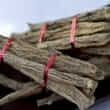
- Rhubarb
: Rhubarb has been used in traditional Chinese medicine for many gastrointestinal disorders, including upper gastrointestinal bleeding. Preliminary evidence suggests that rhubarb may be beneficial in reducing upper gastrointestinal bleeding. Higher quality studies are necessary to confirm this hypothesis. While the use of rhubarb to treat hemophilia has not been well studied, it may be potentially effective in treating the disease, based on symptoms that patients exhibit. - Avoid if allergic/hypersensitive to rhubarb, its constituents, or related plants from the Polygonaceae family. Avoid using rhubarb for more than two weeks because it may induce tolerance in the colon, melanosis coli, laxative dependence, pathological alterations to the colonic smooth muscles, and substantial loss of electrolytes. Avoid with atony, colitis, Crohn's disease, dehydration with electrolyte depletion, diarrhea, hemorrhoids, insufficient liver function, intestinal obstruction or ileus, irritable bowel syndrome, menstruation, pre-eclampsia, renal disorders, ulcerative colitis, and urinary problems.
- Avoid handling rhubarb leaves, as they may cause contact dermatitis. Avoid rhubarb in children under age 12 due to the potential for water depletion. Use cautiously with bleeding disorders, cardiac conditions, coagulation therapy, constipation, history of kidney stones, or thin or brittle bones. Use cautiously if taking anti-psychotic drugs or oral drugs, herbs, or supplements (including calcium, iron, and zinc). Avoid if pregnant or breastfeeding.
Unclear or conflicting scientific evidence
- Hypnosis
: There is inconclusive evidence from preliminary research of hypnosis therapy for hemophilia. Additional study is needed before a firm conclusion can be drawn. - Use cautiously with mental illnesses like psychosis/schizophrenia, manic depression, multiple personality disorder, or dissociative disorders. Use cautiously with seizure disorders. Reported side effects include changes in skin temperature, heart rate, intestinal secretions and immune response, decreased blood pressure and brain wave patterns, disturbing memories, and false memories.
- There are currently no known ways to prevent hemophilia. However, genetic counseling for parents is available. Individuals from high-risk populations, or those with family histories of hemophilia, may meet with genetic counselors to determine whether they carry a genetic mutation linked to hemophilia. Carriers can be determined through detailed family histories or by genetic testing. Known carriers of hemophilia may undergo genetic counseling before they conceive a child. Genetic counselors can explain the options and the associated risks of various tests, such as amniocentesis, chorionic villus sampling (CVS), or preimplantation diagnosis.
- Canadian Hemophilia Society. . Accessed April 8, 2008.
- Chang HH, Yang YL, Hung MH, et al. Pharmacokinetic study of recombinant human factor IX in previously treated patients with hemophilia B in Taiwan. J Formos Med Assoc. 2007 Apr;106(4):281-7.
View Abstract - Hoffman M, Harger A, Lenkowski A, et al. Cutaneous wound healing is impaired in hemophilia B. Blood. 2006 Nov 1;108(9):3053-60.
View Abstract - National Heart, Lung, and Blood Institute. . Accessed March 24, 2008.
- National Hemophilia Foundation. . Accessed March 24, 2008.
- Natural Standard: The Authority on Integrative Medicine. . Copyright © 2008.
- Rossetti LC, Radic CP, Larripa IB, et al. Genotyping the hemophilia inversion hotspot by use of inverse PCR. Clin Chem. 2005 Jul;51(7):1154-8.
View Abstract - Saha A, Mukherjee S, Maulik M, et al. Evaluation of genetic markers linked to hemophilia A locus: an Indian experience. Haematologica. 2007 Dec;92(12):1725-6.
View Abstract - Venceslá A, Barceló MJ, Baena M, et al. Marker and real-time quantitative analyses to confirm hemophilia B carrier diagnosis of a complete deletion of the F9 gene. Haematologica. 2007 Nov;92(11):1583-4.
View Abstract
Disclaimer: This tool is intended for informational purposes only, and should not be interpreted as specific medical advice. Patients should consult with a qualified healthcare provider before making decisions about therapies and/or health conditions.