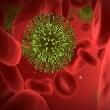
- Hepatitis is defined as inflammation of the liver. Viral infections are the most common cause of hepatitis. A type of hepatitis known as hepatitis C is caused by the hepatitis C virus (HCV). This virus is made up of a single strand of ribonucleic acid (RNA) surrounded by two layers (envelopes), one consisting of proteins and the other of lipids (fat). RNA is a nucleic acid that helps in protein synthesis, which is important for the growth and maintenance of the body.
- Hepatitis C virus belongs to the Flaviviridae family, which includes viruses that mainly spread through arthropod vectors such as ticks and mosquitoes. Dengue fever, an infectious disease transmitted to humans by mosquitoes, and Japanese encephalitis, an infection that affects the nervous system which is also transmitted by mosquitoes, are some of the diseases caused by the Flaviviridae family of organisms.
- In the mid 1970s, researchers found that a particular type of hepatitis that develops in a person after receiving a blood transfusion was not caused by hepatitis A or B viruses. They named the new virus non-A, non-B hepatitis (NANBH). The unknown organism was identified by scientists in 1987, and it was renamed the hepatitis C virus (HCV) in 1989.
- HCV causes a liver disease known as hepatitis C. The incubation period, which is the period between infection and the onset of clinical symptoms, ranges from 15 to 150 days. Humans and chimpanzees are the only two species that are susceptible to HCV, and a similar disease process has been observed in both species.
- According to the World Health Organization, an estimated 170 million people are chronically infected with HCV, with 3 to 4 million new infections occurring every year. The distribution of HCV types varies globally. For example, HCV type 1 is the most common and accounts for 70% of the HCV infections in the United States.

← Back to Monographs
 medical conditions
Hepatitis C virus
Contents
- HCV can be passed to others through blood and bodily fluids such as vaginal secretions and semen. It is commonly spread through blood transfusions, in which blood is transferred from one person to another, or by sharing needles contaminated with the virus, particularly among street drug and steroid users. It is advisable to check for HCV in people who received a blood transfusion or organ transplant before 1992, when there were no tests to identify the virus. The infection cannot spread by hugging, kissing, or shaking hands with an infected person.
- Equipment used for procedures such as tattooing, body piercing, and acupuncture may transmit HCV infection. In rare cases, transmission may occur through contaminated (infected) dialysis equipment. Dialysis is a procedure used to filter harmful wastes from blood in people with impaired kidney function. The virus may also be transmitted from infected mothers to their infants, although this is uncommon.
HCV rapidly replicates, or produces multiple copies of itself, with nearly 1 trillion particles produced every day in an infected individual. Its high mutation rate helps the virus elude the host's immune response. A mutation is a change within a gene, specifically a change in the sequence of base pairs in the DNA that make up a gene. Several studies indicate that HCV replicates within liver cells. Circulating HCV particles enter the liver cells by initially binding to specific surface receptors. These receptors are protein molecules to which the viral particle attaches itself to gain entry into the cell. Because of the high mutation rate of the HCV, the liver cell perceives the mutated or genetically altered viral RNA as its own RNA and proceeds to replicate it. Because the viral RNA is assumed to be the body's own RNA, there is no immune response generated. Thus, the viral RNA is successful in avoiding attack by the host's immune system.
- Hepatitis C can present in two forms: acute or chronic. Acute hepatitis C occurs during the first six months following infection with HCV. Chronic hepatitis C occurs when the HCV persists beyond six months in the individual.
- In acute infection, the virus is detected within 1 to 3 weeks after infection and the antibodies to the virus are identified 3 to 12 weeks after infection. Earlier studies have shown that about 15 to 40% of individuals infected with HCV clear the virus during the acute phase because of the successful removal of the virus from the body; however the remaining 60 to 85% of individuals develop chronic hepatitis.
- The clinical course of chronic hepatic C varies from one person to another. The symptoms may suggest liver disease is absent only until a large amount of scarring of the liver has occurred. The patient may experience a wide range of clinical manifestations, from absence of symptoms to symptomatic illness, before the development of advanced liver disease.
- In most cases, both acute and chronic HCV infections are without symptoms (asymptomatic). If symptoms do occur, they may include fever, loss of appetite, stomachache, fatigue, muscle pain, yellowish discoloration of skin and eyes, dark yellow urine, and light-colored stools. Manifestations of liver disease such as jaundice and enlargement of the liver and spleen may also occur. HCV infection can also present with symptoms outside the liver. These may include inflammation of the thyroid, a form of inflammation of blood vessels (cryoglobulinemia), inflammation of the kidneys, a type of inherited disease with skin and nerve complications (porphyria cutanea tarda), or Sjogren's syndrome, an inflammatory disease affecting different parts of the body.
- General: When an individual is exposed to the hepatitis C virus (HCV), his or her body produces antibodies to the virus. These antibodies remain in the HCV-infected individual throughout his or her life, even if the virus is eliminated from the body naturally or following medical treatment. Antibodies are proteins produced by the body's defense system to fight against foreign agents called antigens. An antigen is a substance that is capable of causing an immune response. Patients who recover from HCV infection have a lower risk of reinfection, although HCV antibodies do not completely prevent reinfection.
- Diagnostic testing: HCV may be detected within 1 to 2 weeks after infection. The diagnostic tests for HCV are divided into two categories: serological assays, which detect the antibodies to HCV in the serum or plasma, and molecular assays that detect, quantify, or characterize HCV RNA in an infected patient. Both blood and tissue samples taken from the infected patient may be used to perform the molecular assays. Serum is the liquid component of blood that does not contain clotting factors. Plasma is the liquid component of blood in which blood cells are suspended.
- Serological tests, which detect the anti-HCV antibodies, can be screening tests or confirmatory tests. Screening tests help identify blood samples that contain antibodies, while confirmatory tests confirm the presence of specific antibodies in the screened samples. The second or third line of tests is referred to as supplemental tests.
- HCV infection is identified by screening for the presence of anti-HCV antibodies in the serum. These tests help determine whether the individual was exposed to the virus in the past, but cannot determine active viral infection. The results of these tests are indicated as positive, negative, or weakly positive. In 2003, the Centers for Disease Control and Prevention (CDC) revised the guidelines and suggested that weakly positive tests must be confirmed with a confirmatory test before reporting.
- Either the enzyme immunoassay (EIA) or enhanced chemiluminescence immunoassay (CIA) test is usually the first test performed for screening the virus. If the result is positive, then further verification has to be done by a more specific serologic test, either by recombinant immunoblot assay (RIBA®, Chiron Corporation, Emeryville, California) or nucleic acid test (NAT) for confirmation.
- ELISA (enzyme-linked immunosorbent assay): ELISA is a diagnostic technique used to detect the presence of an antibody or antigen in a blood sample. ELISA is most widely used as an initial blood test for screening a large number of samples on a daily basis. The third-generation ELISA test is more sensitive and accurate than the previous versions, but false-negative results may be produced in patients whose immune systems do not generate sufficient antibodies, e.g., in people with HIV (human immunodeficiency virus) and in people undergoing hemodialysis for kidney disease.
- HCV-RIBA® (recombinant immunoblot assay): HCV-RIBA® is an additional test with a high specificity to confirm the presence of anti-HCV antibodies. Specificity refers to the ability of an assay to measure a particular organism or substance in a sample of interest. This high specificity makes it possible to confirm the presence or absence of anti-HCV antibodies in low-risk individuals who are identified as HCV-positive during routine screening. The results are interpreted as positive, negative, or indeterminate. Like the ELISA, this test can be used to determine exposure to the virus, but not the current infection status.
- Polymerase chain reaction (PCR): PCR is an automated process that generates a number of copies of a specific DNA/RNA sequence (amplification) within a short time. PCR is done in the laboratory under a controlled environment and uses specific reagents and enzymes. This technique may be used to detect the presence of HCV, generally in individuals who have antibodies to HCV (anti-HCV positive) and who have a known risk of developing the infection. The technique can even detect low levels of HCV RNA in the serum.
- Optimal HCV PCR assays have the ability to detect less than 100 copies of HCV RNA per milliliter of plasma or serum. Quantitative PCR, which determines the amount of virus in the blood, is one of the most sensitive tests for determining hepatitis C viral load.
- Nucleic acid test (NAT): NAT is a supplemental test to detect HCV RNA in both acute and chronic infections. It is also used for evaluation and management of patients with chronic hepatitis C infection. NAT can detect the presence of active HCV infection and can verify the presence of antibodies to HCV. NATs must be performed in specifically designed laboratories because any variation in the manner of sample collection, storage, or processing may lead to inaccurate results.
- COBAS AMPLICORâ„¢ HCV test: COBAS AMPLICOR (Roche Molecular Systems, Inc., New Jersey) may be used as both a qualitative and a quantitative test. It is a type of NAT that detects HCV RNA using reverse transcriptase polymerase chain reaction (RT-PCR) amplification. Reverse transcription is the process of producing double-stranded DNA from a single-stranded RNA. It is a fully automated test that facilitates greater sensitivity, reliability, and standardization. The test detects even low levels of HCV RNA.
- This test is used for patients with liver disease who test positive for HCV in screening tests. The presence of HCV RNA indicates that the virus is replicating and is therefore active. The test accurately diagnoses current infection and monitors the response to treatment. Quantification or viral load assessment is also possible for assessing treatment outcomes.
- The viral load or quantitative HCV tests help measure the number of viral RNA particles in the blood. This type of test should be done both before and after treatment (usually after 3 months) to determine the response to the treatment. Successful treatment decreases the viral load by 99% in 4 to 12 weeks, to an undetectable level.
- COBAS Taqman® HCV test: COBAS Taqman test (TaqMan HCV; Roche Molecular Systems Inc., Branchburg, New Jersey) is a type of nucleic acid amplification test used for quantifying HCV RNA in human serum or plasma. It may therefore be used to detect the severity of the HCV infection. The system provides quick results and is highly specific and sensitive with a broad dynamic range.
- The dynamic range of an assay is the difference between the highest and lowest detectable amounts of a product such as HCV RNA. The highest detectable level is independent of the technique used. However, the lowest detectable amount of the product depends on the assay technique used. A large dynamic range indicates a more sensitive test because it can detect much lower quantities of the product.
- HCV-RNA test: HCV RNA tests may be qualitative or quantitative. Qualitative tests determine the presence of HCV, whereas quantitative tests determine the amount of virus in the blood. The HCV RNA test can determine the active status of the virus and therefore helps identify currently infected individuals. It is reported as "positive" or "detected" if HCV viral RNA is found and "negative" or "not detected" if the viral RNA is not found. It is generally used after the completion of treatment to check whether the virus has been fully eliminated from the body. A positive HCV RNA test implies that the person has active hepatitis C infection.
- Viral genotyping: Viral genotyping helps determine the type of hepatitis C, and is important in determining the patient response to standard treatment and the duration of treatment. The test is done before treatment is started to analyze the duration and success rate of the treatment.
- Transcription-mediated amplification (TMA): TMA is a highly sensitive technique for detecting the presence of HCV RNA in serum. The test accurately measures the antiviral response at the end of treatment because it can detect even a small amount of virus present in the serum.
- Immunostaining: Immunostaining is an antibody-based method to detect a specific protein or antigen in the tissue sample by using stains such as fluorescent dyes and peroxidase enzymes. This can be performed by antibodies to detect the presence of HCV in the liver. Although it can identify the antigens in 60 to 70% of patients with chronic hepatitis, the test is not used often because it requires special handling of liver tissue. In addition, the infection can be detected only in individuals with high levels of anti-HCV antibodies in the serum.
- Liver biopsy: A liver biopsy may be performed to determine the extent of damage to liver cells and the best treatment option for the infected patient. During the procedure, a needle is inserted into the liver and a small piece of tissue is removed. The tissue is then analyzed under a microscope in a laboratory to detect and identify features of hepatitis C infection and liver damage. Liver biopsy may be necessary in chronically infected patients. This procedure allows doctors to grade the severity of the disease, identify the degree of fibrosis (excess fibrous connective tissue in an organ), and detect any permanent damage to the liver.
- Liver enzymes: A blood test may be performed to check for elevated levels of liver enzymes contained in liver cells, such as alanine aminotransferase (ALT) and aspartate aminotransferase (AST). These enzymes leak into the bloodstream when liver cells are injured. The most common cause of elevation of ALT is chronic hepatitis C infection. Therefore, if routine blood tests reveal increased liver enzyme levels, such individuals must be clinically evaluated and tested for HCV using ELISA.
- The major complication of HCV infection is progressive liver damage. In addition, hepatitis C worsens any underlying liver disease. For example, the progression of liver damage is rapid in people with alcoholic liver disease and HCV infection. Also, about 35% of individuals with HIV in the United States are also infected with HCV because both viruses are spread through blood contact.
- Approximately 10 to 20% of individuals with chronic hepatitis C progress to cirrhosis within 20 years and are at a higher risk of developing complications such as end-stage liver disease and liver cancer. Cirrhosis is a condition of the liver in which the liver tissue is replaced by fibrous scar tissue.
- A vaccine to prevent hepatitis C is currently unavailable, but the symptoms may be medically managed by using antiviral drugs. Treatment in the acute phase yields a better success rate (greater than 90%) with a shorter duration of treatment than treatment in the chronic stage. Also, patients with low viral loads respond better to treatment than those with higher viral loads.
- Although antiviral therapy may be beneficial, it has not been approved for children. Interferon-α therapy has not been shown to be effective in adults and has shown a sustained response in only 10 to 15% of cases. A combination of interferon-α and the antiviral drug ribavirin is effective, however, with 40 to 50% of the treated cases showing a sustained response.
- Several integrative therapies have been used to maintain the function of the liver rather than treating the virus, thereby delaying the progression of the infection. Extracts of Silybum marianum and Sho-saiko-to have been shown to improve liver function in HCV-infected patients by their antiviral effects.
Note
: The therapies listed below have been studied in the prevention or treatment of hepatitis C or cirrhosis. They should be used only under the supervision of a qualified healthcare provider and should not be used in replacement of other proven therapies or preventive measures.
Good scientific evidence
- Milk thistle
: Milk thistle (Silybum marianum) has been used medicinally for more than 2,000 years, principally for the treatment of hepatic and biliary disorders. Several studies of oral milk thistle for hepatitis caused by viruses or alcohol report improvements in liver tests. However, most studies have been small and poorly designed. More research is needed before a recommendation can be made. Multiple studies from Europe suggest benefits of oral milk thistle for cirrhosis. Although results are promising, most studies have been poorly designed. Better research is necessary before a strong recommendation can be made. Use caution if allergic to plants in the aster family (Compositae/Asteraceae), daisies, artichoke, common thistle, or kiwi. Use cautiously with diabetes. Avoid if pregnant or breastfeeding. - Probiotics
: Probiotics are beneficial bacteria (sometimes referred to as "friendly germs") that help maintain the health of the intestinal tract and aid in digestion. Liver cirrhosis may be accompanied by an imbalance of intestinal bacteria. Probiotic supplementation in cirrhosis patients has been found to reduce the level of fecal acidity (pH) and fecal and blood ammonia. Probiotics are generally considered safe and well-tolerated. Avoid if allergic or hypersensitive to probiotics. Use cautiously if lactose intolerant.
Unclear or conflicting scientific evidence
- Ayurveda
: Ayurveda is an integrated system of specific theories and techniques that use diet, herbs, exercise, meditation, yoga, and massage or bodywork. The goal of Ayurveda is to achieve optimal health on all levels: physical, psychological, and spiritual. Evidence from one well-designed study suggests that the traditional herbal preparation Kamalahar may reduce clinical signs as well as indicators of liver damage in acute viral hepatitis. Another well-designed trial suggests that root powder from the herb Picrorhiza kurroa may improve levels of bilirubin, SGOT (serum glutamic-oxaloacetic transaminase), and SGPT in viral hepatitis. Further research is needed before a recommendation can be made. Ayurvedic herbs should be used cautiously because they are very strong and some constituents can be potentially toxic if taken in large amounts or for a long time. Some herbs imported from India have been reported to contain high levels of toxic metals. Avoid Ayurveda with traumatic injuries, acute pain, advanced disease stages, and medical conditions that require surgery. - Bupleurum
: Bupleurum (Bupleurum falcatum, Bupleurum fruticescens) has been widely used for more than 2,000 years in Asia and is used today in Japan and China for hepatitis, cirrhosis, and other conditions associated with inflammation. Traditional use in China, as well as preliminary study in humans, seems to suggest that bupleurum and herbal combination formulas containing bupleurum may be helpful in the treatment of chronic hepatitis. Further research is warranted to make a firm recommendation. Avoid if allergic or hypersensitive to bupleurum, plants in the Apiaceae or Umbelliferae (carrot) family, snakeroot, cow parsnip, or poison hemlock. Use cautiously if operating motor vehicles or hazardous machinery. Use cautiously with low blood pressure, diabetes, or edema. Use cautiously with a history of bleeding, hemostatic disorders, or drug-related hemostatic disorders. Use cautiously if taking blood thinners. Avoid if pregnant or breastfeeding. - Capers
: Capers (Capparis spinosa) traditionally has been used for gas, liver function, heart disease, kidney disorders, parasitic worm infections, anemia, arthritis, gout, and as a tonic. Capers have also been used for low blood sugar. There is limited evidence of the effect of capers alone on cirrhosis. Additional studies are needed. Capers are generally considered to be safe. Avoid with allergy or sensitivity to capers or mustard oil. There are limited reports of side effects with capers. Use cautiously with diabetes or low blood sugar or if taking drugs, herbs, or supplements that lower blood sugar. Use cautiously with low blood pressure or if taking drugs, herbs, or supplements that lower blood pressure. Use cautiously in patients prone to iron overload. Use cautiously if taking diuretics. Avoid or use cautiously if pregnant or breastfeeding. - Chicory
: Chicory is native to Europe and temperate regions in Asia, and has been naturalized to the United States. Chicory was cultivated as early as 5,000 years ago by Egyptians as a medicinal plant. There is insufficient evidence to recommend for or against the use of chicory for chronic hepatitis. Avoid if allergic or hypersensitive to chicory or members of the Asteraceae/Compositae family, including ragweed, chrysanthemums, marigolds, and daisies. Use cautiously with drugs or herbs metabolized by the cytochrome P450 enzyme. Use cautiously with gallstones. Avoid if pregnant or breastfeeding. - Choline
: Choline is an essential nutrient related to the water-soluble B-complex vitamins, folate, pyridoxine, and B12, and to the essential amino acid methionine. It is synthesized in the body as well as consumed in the diet. Many studies have assessed the use of choline for hepatitis, although there is a lack of sufficient evidence to recommend for or against the use of choline in the treatment of acute viral hepatitis. Avoid if allergic or hypersensitive to choline, lecithin, or phosphatidylcholine. Use cautiously with kidney or liver disorders or trimethylaminuria. Use cautiously with a history of depression. If pregnant or breastfeeding it is generally considered safe to consume choline within the recommended adequate intake (AI) parameters; supplementation outside of dietary intake is usually not necessary if consuming a healthy diet. - Cordyceps
: Cordyceps sinensis, the Cordyceps species most widely used as a dietary supplement, naturally grows on the back of caterpillar larvae from the moth Hepialus armoricanus Oberthur found mainly in China, Nepal, and Tibet. In traditional Chinese medicine, cordyceps has been used to support and improve liver function. In studies using herbal combinations that included cordyceps, liver function and immune function improved. However, available studies used combination treatments, so the effect of cordyceps alone is unknown. Avoid if allergic or hypersensitive to cordyceps, mold, or fungi. Use cautiously with diabetes, bleeding disorders, or prostate conditions. Use cautiously if taking anticoagulant or immunosuppressive medications, or hormone replacement therapy or oral contraceptives. Avoid with myelogenous type cancers. Avoid if pregnant or breastfeeding. - Eyebright
: Aucubin, a constituent of eyebright, may aid in liver protection. However, there is currently insufficient evidence to recommend for or against the use of eyebright as a hepatoprotective agent. Avoid if allergic to eyebright, any of its constituents, or members of the Scrophulariaceae family. Use cautiously as an eye treatment, particularly homemade preparations, due to the risk of infection if not sterile. Use cautiously with diabetes and drugs that are broken down by the liver. Avoid if pregnant or breastfeeding. - Ginseng
: There is a lack of sufficient evidence to recommend either American ginseng or Panax ginseng for hepatoprotection. Early study investigated compound K, a ginseng metabolite that shows promise in protecting against liver injury. Additional human studies are warranted in this area. Avoid ginseng with a known allergy to plants in the Araliaceae family. There has been a report of a serious life-threatening skin reaction, possibly caused by contaminants in a ginseng formulation. - Gotu kola
: Study results on gotu kola and liver disease are mixed. Further research is needed before a recommendation can be made. Avoid if allergic to gotu kola, asiaticoside, asiatic acid, or madecassic acid. Avoid with a history of high cholesterol, cancer, or diabetes. Avoid if pregnant or breastfeeding. - L-Carnitine
: The main function of L-carnitine is to transfer long-chain fatty acids in the form of acyl-carnitine esters across the inner mitochondrial membrane before beta-oxidation. Although early evidence appears promising, currently it is insufficient to recommend carnitine in the treatment of liver cirrhosis. Avoid with known allergy or hypersensitivity to carnitine. Use cautiously with peripheral vascular disease, hypertension (high blood pressure), alcohol-induced liver cirrhosis, and diabetes. Use cautiously in low birthweight infants and individuals on hemodialysis. Use cautiously if taking anticoagulants (blood thinners), beta blockers, or calcium channel blockers. Avoid if pregnant or breastfeeding. - Licorice
: The medicinally used part of licorice is the root and dried rhizome of the low-growing shrub Glycyrrhiza glabra. Currently, most licorice is produced in Greece, Turkey, and Asia. The licorice extracts DGL and carbenoxolone have been proposed as possible therapies for viral hepatitis. Further research is needed before a recommendation can be made. Avoid if allergic to licorice, any component of licorice, or any member of the Fabaceae (Leguminosae) plant family. Avoid with congestive heart failure, coronary heart disease, kidney or liver disease, fluid retention, high blood pressure, hormonal abnormalities, or if taking diuretics. Licorice can cause abnormally low testosterone levels in men and high prolactin or estrogen levels in women. This may make it difficult to become pregnant and may cause menstrual abnormalities. - Liver extract
: Liver extract and desiccated (dried) liver have been marketed as iron supplements for over a century. The extract is processed cow or pig liver that may either be a freeze-dried brownish powder or a concentrated liquid that has had most of the fat and cholesterol removed. Liver extract has shown stimulatory and protective effects on the liver. The combination of liver extract and interferon may increase patients' response to interferon therapy alone. However, additional study is needed. - Avoid if allergic or hypersensitive to liver extract or its constituents. Use cautiously if taking antacids or with acid reflux. Use cautiously with clotting disorders, compromised immune function, and abnormal iron levels. Use cautiously if taking drugs that affect blood cholesterol, antiviral agents, especially interferon, or any agents for cancer. Use cautiously as raw liver may contain liver flukes or the bacterium Vibrio fetus. Use cautiously in patients with liver disease combined with a reduced human growth hormone metabolic clearance rate. Avoid liver extract with iron metabolism disorders or iron shortage disorders, such as hemachromatosis. Avoid liver extract from countries where bovine spongiform encephalitis (BSE or "mad cow disease") has been reported. Avoid if sensitive to liver extract or any of its components, as liver extract therapy has caused severe anaphylactic shock. Avoid if pregnant or breastfeeding.
- Milk thistle
: Research on milk thistle for acute viral hepatitis has not provided clear results, and milk thistle cannot be recommended for this potentially life-threatening condition at this time. - Mistletoe
: Once considered a sacred herb in Celtic tradition, mistletoe has been used for centuries for conditions as diverse as high blood pressure, epilepsy, exhaustion, anxiety, arthritis, vertigo (dizziness), and degenerative inflammation of the joints. Some patients have reportedly achieved complete elimination of the hepatitis virus after treatment with Viscum album, although these studies were not well designed so the findings may not be reliable. A small exploratory trial investigated the effects of mistletoe on liver function, reduction of viral load and inflammation, and maintenance of quality of life by the immunomodulatory or cytotoxic actions of mistletoe extracts, but little effect was seen. Larger, well-designed clinical trials are needed to resolve these conflicting data. Avoid if allergic or hypersensitive to mistletoe or any of its constituents. Anaphylactic reactions (life-threatening shock) have been described after injections of mistletoe. Avoid with acute, highly febrile, inflammatory disease, thyroid disorders, seizure disorders, or heart disease. Use caution with diabetes or glaucoma or if taking cholinergics. - Peony
: Peony root has been used in traditional Chinese medicine (TCM) for centuries. Peony flowers are also used medicinally, for example, in cough syrups and in herbal teas. Peony has been used in traditional Chinese medicine (TCM) to treat liver disease. Larger, higher quality trials are needed to support this use of peony. Avoid if allergic or sensitive to peony. Avoid with bleeding disorders or if taking drugs, herbs, or supplements that increase bleeding risk. Use cautiously with estrogen-sensitive cancers or if taking drugs, herbs, or supplements with hormonal activity. Avoid if pregnant or breastfeeding. - Rhubarb
: Chinese herbalists have relied on rhubarb rhizomes and roots for thousands of years. Studies have been conducted on rhubarb and its effects on hepatitis. In a case series, high doses of rhubarb decreased the symptoms and serum levels associated with hepatitis. However, higher quality studies are needed in this area. - Avoid if allergic or hypersensitive to rhubarb, its constituents, or related plants from the Polygonaceae family. Avoid using rhubarb for more than two consecutive weeks because it may induce tolerance in the colon, melanosis coli, laxative dependence, pathological alterations to colonic smooth muscles, and substantial loss of electrolytes. Avoid with atony, colitis, Crohn's disease, dehydration with electrolyte depletion, diarrhea, hemorrhoids, insufficient liver function, intestinal obstruction or ileus, irritable bowel syndrome, menstruation, pre-eclampsia, renal disorders, ulcerative colitis, and urinary problems. Avoid handling rhubarb leaves as they may cause contact dermatitis. Avoid rhubarb in children under age 12 because of the potential for water depletion. Use cautiously with bleeding disorders, cardiac conditions, coagulation therapy, constipation, history of kidney stones, or thin or brittle bones. Use cautiously if taking anti-psychotic drugs or oral drugs, herbs or supplements, including calcium, iron, and zinc. Avoid if pregnant or breastfeeding.
- Safflower
: Two parts of the safflower plant are primarily used: the flower itself and the seeds. EH0202 is a traditional Japanese Kampo therapy containing safflower seed extract used for immunostimulation. EH0202 may decrease hepatitis C virus RNA levels in patients with high viral titers. More studies with safflower alone are needed to define safflower's effect on hepatitis C. Avoid if allergic or hypersensitive to safflower, Carthamus tinctorius, safflower oil, daisies, ragweed, chrysanthemums, marigolds, or any related constituents. Use parenteral safflower oil emulsions cautiously in newborns. Use cautiously if taking anticoagulants (blood thinners) or antiplatelet drugs, immunosuppressants, or pentobarbital. Use cautiously with diabetes, hypotension, inadequate liver function, hypercoagulability, and skin pigmentation conditions. Use cautiously if pregnant or breastfeeding. - Sea buckthorn
: Sea buckthorn (Hippophae rhamnoides) is found throughout Europe and Asia, particularly eastern Europe and central Asia. The plant's orange fruit and the oil from its pulp and seeds have been used traditionally for skin conditions, coughing, phlegm reduction, and digestive disorders. Sea buckthorn extract may improve liver health in people with cirrhosis. Although the results are intriguing, additional higher quality research is needed in this area. Avoid if allergic or hypersensitive to sea buckthorn, its constituents, or members of the Elaeagnaceae family. Use cautiously if taking angiotensin converting enzyme (ACE) inhibitors, blood thinners, anticancer agents, or cyclophosphamide or farmorubicin. Avoid higher doses than food amounts if pregnant or breastfeeding. - Selenium
: Selenium supplementation has been studied in various liver disorders, including hepatitis, with mixed results. Further research is needed to establish selenium's effects. - Taurine
: Early studies have found that taurine supplementation has the potential to modify the conjugation of bile acids, potentially modifying the disease. Furthermore, taurine has been examined as an adjunct to ursodeoxycholate (UDCA) in the treatment of liver disease. Results from these early studies suggest that conjugation of bile acids can be modified and that taurine as an adjunct to UDCA does not offer more benefits. More recent studies have investigated the effect of tauroursodeoxycholate (TUDCA) in liver disease treatment. As of yet, however, the evidence in support of taurine in liver disease is minimal and well-designed clinical trials with positive results are needed before a firm conclusion can be made. - Traditional Chinese Medicine (TCM)
: Traditional Chinese Medicine (TCM) may provide liver protection. However, more studies are needed before recommendations can be made. - Turmeric
: In traditional Indian Ayurvedic medicine, turmeric has been used to tone the liver. Early research suggests that turmeric may have a protective effect on the liver, but more research is needed before any recommendations can be made. Avoid if allergic or hypersensitive to turmeric, curcumin, yellow food colorings, or plants in the Zingiberaceae (ginger) family. Use cautiously with a history of bleeding disorders, immune system deficiencies, liver disease, diabetes, hypoglycemia, or gallstones. Use cautiously with blood-thinners, such as warfarin (like Coumadin®), and blood sugar-altering medications. Avoid in medicinal amounts if pregnant or breastfeeding. Turmeric should be stopped prior to scheduled surgery. - Vitamin E
: Vitamin E is a fat-soluble vitamin with antioxidant properties. In patients with hepatitis C taking antiviral therapy, vitamin E has been proposed to prevent inflammation. More studies are needed to examine the effects of vitamin E in chronic hepatitis. Avoid if allergic or hypersensitive to vitamin E. Avoid with retinitis pigmentosa (loss of peripheral vision). Use cautiously with bleeding disorders or if taking blood thinners. Avoid above the recommended daily level if pregnant or breastfeeding.
: Zinc is necessary for the functioning of more than 300 different enzymes and plays a vital role in an enormous number of biological processes. Early studies have shown that zinc in combination with interferon or interferon in combination with ribavirin in patients with hepatitis C infection did not show significant benefits, except for a lower incidence of gastrointestinal side effects in limited available study. Further study may be warranted in this area. Recent high-quality evidence suggests that supplementation with polaprezinc in patients undergoing treatment with pegylated interferon alpha-2b and ribavirin may decrease damage to liver cells. Zinc is generally considered safe when taken at the recommended dosages. Avoid zinc chloride because studies have not been done on its safety or effectiveness. Avoid with kidney disease. Use cautiously if pregnant or breastfeeding.
Fair negative scientific evidence
- Spirulina
: The term spirulina refers to a large number of cyanobacteria or blue-green algae. Preliminary study of spirulina for chronic viral hepatitis shows negative results. Avoid if allergic or hypersensitive to spirulina or blue-green algae. Use cautiously with phenylketonuria, a liver enzyme genetic disorder that disrupts normal body functions, and with autoimmune diseases, bleeding disorders, diabetes, and osteoporosis. Use cautiously with products containing the blue-green algae species Anabaena spp., Aphanizomenon spp., and Microcystis spp. Use cautiously in underweight patients or in those taking antiobesity agents or appetite suppressants, or in patients consuming a high-protein diet. Avoid in children and if pregnant or breastfeeding.
- Hepatitis C virus (HCV) can be passed to others through blood and bodily fluids such as vaginal secretions and semen. It is commonly spread through blood transfusions, in which blood is transferred from one person to another, or by sharing needles contaminated with the virus, particularly among street drug and steroid users. Practicing safe sex and avoiding exposure to potentially contaminated needles will decrease the risk of being infected with HCV.
- The infection cannot spread by hugging, kissing, or shaking hands with an infected person.
- Batdelger D, Dandii D, Jirathitikal V, et al. Open-label trial of therapeutic immunization with oral V-5 Immunitor (V5) vaccine in patients with chronic hepatitis C. Vaccine. 2008 May 23;26(22):2733-7.
View Abstract - Burioni R, Perotti M, Mancini N, et al. Perspectives for the utilization of neutralizing human monoclonal antibodies as anti-HCV drugs. J Hepatol. 2008 Aug;49(2):299-300.
View Abstract - Centers for Disease Control and Prevention. .
- Daniel HD, Chandy GM, Abraham P. Quantitation of hepatitis C virus using an in-house real-time reverse transcriptase polymerase chain reaction in plasma samples. Diagn Microbiol Infect Dis. 2008 Aug;61(4):415-20.
View Abstract - Gretch DR. Diagnostic tests for hepatitis C. Hepatology. 1997 Sep;26(3 Suppl 1):43S-47S.
View Abstract - Huang RY, Chang HT, Lan CY, et al. Development and evaluation of a sensitive enzyme-linked oligonucleotide-sorbent assay for detection of polymerase chain reaction-amplified hepatitis C virus of genotypes 1-6. J Virol Methods. 2008 Jun 17;82(15):7524-32.
View Abstract - Li H, Thomassen LV, Majid A, et al. Investigation of putative multi-subtype hepatitis C virus infections in vivo by heteroduplex mobility analysis of core/envelope subgenomes. J Virol. 2008 Aug;82(15):7524-32.
View Abstract - National Digestive Diseases Information Clearinghouse (NDDIC). . Accessed June 24, 2008.
- National Library of Medicine. .
- Natural Standard: The Authority on Integrative Medicine. . Copyright © 2008. Accessed June 24, 2008.
- Roberts SK, Cooksley G, Dore GJ, et al. Robust antiviral activity of R1626, a novel nucleoside analog: A randomized, placebo-controlled study in patients with chronic hepatitis C. Hepatology. 2008;48(2):398-406.
View Abstract
Disclaimer: This tool is intended for informational purposes only, and should not be interpreted as specific medical advice. Patients should consult with a qualified healthcare provider before making decisions about therapies and/or health conditions.