
- Hawthorn : Hawthorn (Crataegus sp.), a flowering shrub of the rose family has an extensive history of use in cardiovascular disease dating back to the 1 Century. Increased blood flow to the heart and heart performance has been observed in animals when given hawthorn supplements. Extracts of the leaves and flowers of hawthorn have been reported as effective in the treatment of mild-to-moderate congestive heart failure (CHF), improving exercise capacity and reducing symptoms of cardiac insufficiency. However, whether hawthorn is as effective as drugs considered standard-of-care for heart failure (such as angiotensin converting enzyme inhibitors, diuretics, or beta-adrenergic receptor blockers) is unclear, as is the effect of the combined use of hawthorn with these drugs. Nonetheless, hawthorn is a potentially beneficial treatment for patients who cannot or will not take prescription drugs and may offer additive benefits to established therapies. Further study is warranted.
- Aconite : The toxic effects associated with aconite limit its ability to be used to treat heart failure, including reno-cardiovascular disease and left ventricular function. Further study is needed.
- Aconite is highly toxic and is not safe for human consumption. Avoid with heart disease, heart dysfunction, irregular heartbeat, hemodynamic instability (abnormal blood flow), gastrointestinal disorders, ulcers, reflux esophagitis, ulcerative colitis, spastic colitis, and diverticulosis. Use caution with diabetes and suicidal tendencies. Avoid if younger than 18 years old. Avoid if pregnant or breastfeeding.
- Astragalus : Astragalus (Astragalus membranaceus) is used in combination with other herbs in Chinese medicine to treat various heart diseases. There is some evidence that astragalus may offer symptomatic improvement for chronic heart failure. Recommendations cannot be made until well-designed clinical trials have been conducted.
- Avoid if allergic to astragalus, peas, or any related plants or with a history of Quillaja bark-induced asthma. Avoid with aspirin or aspirin products or herbs or supplements with similar effects. Avoid with inflammation (swelling) or fever, stroke, transplant or autoimmune diseases (like HIV/AIDS). Stop use two weeks before surgery/dental/diagnostic procedures with a risk of bleeding and avoid use immediately after these procedures. Use cautiously with bleeding disorders, diabetes, high blood pressure, lipid disorders or kidney disorders. Use cautiously with blood-thinners, blood sugar drugs, or diuretics or herbs and supplements with similar effects. Avoid if pregnant or breastfeeding.
- Ayurveda : Ayurveda, which originated in ancient India over 5,000 years ago, is probably the world's oldest system of natural medicine. Preliminary evidence suggests that sodium nimbidinate, made from the traditional Ayurvedic herb Nimba/Neem/Arishta (Azadirachta indica), may be an effective diuretic in patients with congestive heart failure. More studies are needed to confirm this effect.
- Ayurvedic herbs should be used cautiously because they are potent and some constituents can be potentially toxic if taken in large amounts or for a long time. Some herbs imported from India have been reported to contain high levels of toxic metals. Ayurvedic herbs can interact with other herbs, foods and drugs. A qualified healthcare professional should be consulted before taking.
- Coenzyme Q10 (CoQ10): CoQ10 is produced by the human body and is necessary for the basic functioning of cells. The evidence for CoQ10 in the treatment of heart failure is controversial and remains unclear. Different levels of disease severity have been studied (New York Heart Association classes I through IV). Better research is needed in this area, studying effects on quality of life, hospitalization, and death rates. There is also conflicting evidence from research on the use of CoQ10 in patients with dilated or hypertrophic cardiomyopathy.
- CoQ10 is generally safe in recommended dosages, but further studies are needed.
- Allergy associated with Coenzyme Q10 supplements has not been reported, although rash and itching have been reported rarely. Stop use two weeks before surgery/dental/diagnostic procedures with bleeding risk and do not use immediately after these procedures. Use caution with a history of blood clots, diabetes, high blood pressure, heart attack, or stroke, or with anticoagulants (blood thinners), antiplatelet drugs (like aspirin, warfarin, clopidogrel (like Plavix®), or blood pressure, blood sugar, cholesterol or thyroid drugs. Avoid if pregnant or breastfeeding.
- Ginseng : A clinical study on the effect of Panax ginseng on congestive heart failure did not show a clear benefit of combining digoxin with ginseng. The relatively small study size and the use of a drug instead of a standardized extract limit the value of the evidence. Additional research is needed.
- Ginseng may also lower blood pressure. Caution is used when taking ginseng supplements, as adverse effects including drug interactions are possible. Ginseng supplements are not used if pregnant or breastfeeding unless otherwise directed by a doctor.
- Goldenseal : Limited available study suggests that berberine in addition to a standard prescription drug regimen for chronic congestive heart failure (CHF) may improve quality of life and decrease ventricular premature complexes (VPCs) and mortality. Further research is needed to confirm these results.
- Use cautiously in patients with gastrointestinal disorders, cardiovascular disease, bleeding disorders or in those taking anticoagulants, diabetes or in those taking antidiabetic agents. Use cautiously in infants with increased bilirubin levels or individuals with glucose-6-phosphate deficiency. Use cautiously in pregnancy.
- Hawthorn : Herbal combinations containing hawthorn have been found effective in the treatment of functional cardiovascular disorders. However, due to a lack of information on the use of hawthorn alone, there is not enough evidence to recommend for or against this use of hawthorn.
- Avoid if allergic to hawthorn or to members of the Crataegus species. Avoid with a history of low blood pressure, irregular heartbeat, asthma, low blood pressure when standing or insomnia. Use cautiously in elderly patients. Avoid if pregnant or breastfeeding.
- L-carnitine : L-carnitine, carnitine, or acetyl-L-carnitine, is an amino acid found in the body. Although preliminary results are promising, there is insufficient available clinical evidence for the use of L-carnitine in congestive heart failure.
- Avoid with a known allergy or hypersensitivity to carnitine. Use cautiously with peripheral vascular disease, hypertension (high blood pressure), alcohol-induced liver cirrhosis, and diabetes. Use cautiously in low birth weight infants and individuals on hemodialysis. Use cautiously if taking anticoagulants (blood thinners), beta-blockers, or calcium channel blockers. Avoid if pregnant or breastfeeding.
- Meditation : Meditation may improve quality of life in elderly patients, and may potentially reduce the risk for congestive heart failure. However, there is not enough evidence to make a conclusion.
- Use cautiously with underlying mental illnesses. People with psychiatric disorders should consult with their primary mental healthcare professional(s) before starting a program of meditation, and should explore how meditation may or may not fit in with their current treatment plan. Avoid with risk of seizures. The practice of meditation should not delay the time to diagnosis or treatment with more proven techniques or therapies, and should not be used as the sole approach to illnesses.
- Oleander : The term "oleander" refers to two plants: Nerium oleander (common oleander) and Thevetia peruviana (yellow oleander). Both plants contain heart-active "cardiac glycoside" chemicals (similar to the prescription drug digoxin) and have been associated with serious side effects in humans, including death. The plants have been used to treat congestive heart failure in China and Russia for decades, but scientific evidence supporting this use is limited to small, poorly designed studies. Human research began in the 1930s, but was largely abandoned due to serious gastrointestinal and heart toxicity.
- All parts of the oleander plant, including flowers, leaves, and nectar are considered toxic and may cause death. Avoid if allergic to oleander or other cardiac glycosides such as digoxin. Avoid with a history of irregular heartbeat (arrhythmia), seizures, liver or kidney disease, depression, or asthma. Avoid if pregnant or breastfeeding.
- Passionflower : An extract containing passionflower and hawthorn has been studied for potential enhancement of exercise capacity in congestive heart failure patients. Individuals using this combination of herbs have experienced improvements in symptoms; however, any positive effects may have resulted from hawthorn, which is more commonly used for congestive heart failure. High quality human research of passion flower alone and compared to prescription drugs used for this condition is needed.
- Avoid if allergic to passion flower or any of its constituents. Avoid consuming raw Passiflora fruit (Passiflora adenopoda), due to possible cyanide constituents. Passionflower extracts may cause drowsiness in sensitive individuals. Avoid driving or operating heavy machinery while taking passion flower. Use cautiously with low blood pressure. Avoid if pregnant or breastfeeding.
- Physical therapy : Both supervised and home-based exercise training may enhance exercise capacity in patients with chronic heart failure. However, consensus has not been obtained regarding a standard rehabilitation program for these patients and the literature often suggests individually-tailored programs. Due to the lack of standardization, duration of treatment, and various outcomes measures, more study is needed before a conclusion can be made.
- Not all physical therapy programs are suited for everyone, and patients should discuss their medical history with a qualified healthcare professional before beginning any treatments. Physical therapy may aggravate pre-existing conditions. Persistent pain and fractures of unknown origin have been reported. Physical therapy may increase the duration of pain or cause limitation of motion. Pain and anxiety may occur during the rehabilitation of patients with burns. Both morning stiffness and bone erosion have been reported in the literature although causality is unclear. Erectile dysfunction has also been reported. Physical therapy has been used in pregnancy and although reports of major adverse effects are lacking the available literature, caution is advised nonetheless. All therapies during pregnancy and breastfeeding should be discussed with a licensed obstetrician/gynecologist before initiation.
- Relaxation therapy : Early studies suggest that progressive muscle relaxation training may benefit patients with heart failure when used as an adjunct to standard care.
- Avoid with psychiatric disorders like schizophrenia/psychosis. Jacobson relaxation (flexing specific muscles, holding that position, then relaxing the muscles) should be used cautiously with illnesses like heart disease, high blood pressure, or musculoskeletal injury. Relaxation therapy is not recommended as the sole treatment approach for potentially serious medical conditions, and should not delay the time to diagnosis or treatment with more proven techniques.
- Selenium : Low selenium levels have been associated with the development of cardiomyopathy, and selenium supplementation is likely of benefit in such cases (for example in Keshan disease and Chagas' disease). However, most cases of cardiomyopathy are not due to low selenium levels and therefore selenium may not be helpful. It has been suggested that low selenium levels may be a risk factor for coronary heart disease, although this remains unclear.
- Avoid if allergic or sensitive to products containing selenium. Avoid with a history of nonmelanoma skin cancer. Selenium is generally regarded as safe for pregnant or breastfeeding women. However, animal research reports that large doses of selenium may lead to birth defects.
- Taurine : Taurine is a nonessential amino acid-like compound, found in high abundance in the tissues of many animals, especially sea animals, and in much lower concentrations in plants, fungi, and some bacteria. Preliminary study suggests that taurine may be beneficial as an adjunct to traditional medications for symptoms of congestive heart failure (CHF). Further study is warranted to confirm these findings.
- Taurine appears to be safe in recommended dosages. As an amino acid, it is unlikely that there are allergies related to this constituent. However, allergies may occur from multi-ingredient products that contain taurine. Use cautiously in patients with high cholesterol, low blood pressure, coagulation disorders, potential for mania, or epilepsy. Avoid alcohol or exercise after consumption of energy drinks containing taurine, caffeine, glucuronolactone, B vitamins, and other ingredients. Use cautiously if pregnant or breastfeeding; taurine is a natural component of breast milk
- Thiamin : Thiamin (also spelled "thiamine") is a water-soluble B-complex vitamin, previously known as vitamin B1 or aneurine. Thiamin was isolated and characterized in the 1920s, and thus was one of the first organic compounds to be recognized as a vitamin. Chronic severe thiamin deficiency can cause heart failure (wet beriberi), a condition that merits thiamin supplementation. Currently, it is not clear if thiamin supplementation is beneficial in patients with heart failure due to other causes. However, it is reasonable for patients with heart failure to take a daily multivitamin including thiamin, because some of these individuals may be thiamin deficient. Diuretics may lower thiamin levels. Since diuretics are commonly administered to patients with heart failure, patients taking diuretics are at an increased risk of thiamin deficiency. This area remains controversial, and further evidence is necessary before a conclusion can be reached.
- Avoid if allergic or hypersensitive to thiamin. Rare hypersensitivity/allergic reactions have occurred with thiamin supplementation. Skin irritation, burning, or itching may rarely occur at injection sites. Large doses may cause drowsiness or muscle relaxation. Use cautiously if pregnant or breastfeeding with doses higher than the U.S. Recommended Daily Allowance (RDA).
- Thymus extract : The thymus is a lobular gland located under the breastbone near the thyroid gland. It reaches its maximum size during early childhood and plays a large role in immune function. Preliminary evidence suggests that thymus extract may increase left ventricular function, exercise tolerance, and survival in patients with cardiomyopathy. Additional research is needed to confirm these results.
- It is important to use high quality thymus gland supplements. Avoid if allergic or hypersensitive to thymus extracts. Use bovine thymus extract supplements cautiously due to potential for exposure to the virus that causes "mad cow disease." Avoid use with an organ transplant or other forms of allografts or xenografts. Avoid if receiving immunosuppressive therapy, with thymic tumors, myasthenia gravis (neuromuscular disorder), untreated hypothyroidism, or if taking hormonal therapy. Avoid if pregnant or breastfeeding; thymic extract increases human sperm motility and progression.
- Traditional Chinese medicine (TCM)Â : Many studies of TCM herbs have focused on treatment of congestive heart failure. Further research of better design is needed before recommendations can be made.
- Chinese herbs can be potent and may interact with other herbs, foods or drugs. Consult a qualified healthcare professional before taking. There have been reports of manufactured or processed Chinese herbal products being tainted with toxins or heavy metals or not containing the listed ingredients. Herbal products should be purchased from reliable sources. Avoid ma huang, which is the active ingredient in ephedra. Avoid ginseng if pregnant or breastfeeding.
- Avoid if allergic to hawthorn or to members of the Crataegus species. Avoid with a history of low blood pressure, irregular heartbeat, asthma, low blood pressure when standing or insomnia. Use cautiously in elderly patients. Avoid if pregnant or breastfeeding.
- Arginine : Studies of arginine in patients with chronic heart failure have shown mixed results. Some studies report improved exercise tolerance. Additional studies are needed to confirm these findings.
- Avoid if allergic to arginine, or with a history of stroke, or liver or kidney disease. Avoid if pregnant or breastfeeding. Use caution if taking blood-thinning drugs (like warfarin or Coumadin®) and blood pressure drugs or herbs or supplements with similar effects. Blood potassium levels should be monitored. L-arginine may worsen symptoms of sickle cell disease. Caution is advised in patients taking prescription drugs to control blood sugar levels.
- Berberine : Berberine is a bitter-tasting, yellow, plant alkaloid with a long history of medicinal use in Chinese and Ayurvedic medicine. Berberine is present in the roots, rhizomes, and stem bark of various plants including Hydrastis canadensis (goldenseal), Coptis chinensis (coptis or goldenthread), Berberis aquifolium (Oregon grape), Berberis vulgaris (barberry), and Berberis aristata (tree turmeric). Preliminary clinical research suggests that berberine, in addition to a standard prescription drug regimen for chronic congestive heart failure (CHF), may improve quality of life, heart function, and mortality. Further research is necessary.
- Berberine has been reported to cause nausea, vomiting, hypertension (high blood pressure), respiratory failure, and paresthesias (abnormal sensations such as numbness or tingling). Use cautiously in patients with diabetes. Avoid if allergic or hypersensitive to berberine, to plants that contain berberine [Hydrastis canadensis (goldenseal), Coptis chinensis (coptis or goldenthread), Berberis aquifolium (Oregon grape), Berberis vulgaris (barberry), and Berberis aristata (tree turmeric)], or to members of the Berberidaceae family. Avoid in newborns due to potential for increase in free bilirubin, jaundice, and development of kernicterus. Use cautiously with cardiovascular disease, gastrointestinal disorders, hematologic disorders, leucopenia, kidney disease, liver disease, respiratory disorders, cancer, hypertyraminemia, diabetes, or hypotension. Use cautiously in children due to lack of safety information. Use cautiously in individuals with high exposure to sunlight or artificial light. Use cautiously for longer than eight weeks due to theoretical changes in bacterial gut flora. Use cautiously if taking anticoagulants, antihypertensives, sedatives, anti-inflammatories, medications metabolized by CYP P450 3A4 including cyclosporin, or any prescription medications. Avoid if pregnant or breastfeeding.
- Coleus : Coleus species have been used in the Asian traditional medicine for several indications. Since the 1970s, research was predominantly concentrated on forskolin, a root extract of Coleus forskohlii. A small number of studies suggest that forskolin may improve cardiovascular function in patients with cardiomyopathy. However, these trials are small and of poor quality. Larger studies are needed.
- Coleus is generally regarded as safe, although long-term safety data are lacking. Avoid with a known allergy or hypersensitivity to Coleus forskohlii and related species. Rash may occur in sensitive individuals. Inhalation of forskolin may cause sore throat, upper respiratory tract irritation, mild to moderate cough, tremor, or restlessness. Coleus eye drops may produce a milky covering over the eyes. Use cautiously in patients with heart disease, asthma, thyroid disorders, diabetes, a history of bleeding, hemostatic disorders or drug-related hemostatic problems, low blood pressure, or in patients at risk for hypotension. Discontinue use in patients at least two weeks prior to surgical or dental procedures, due to risk of bleeding. Avoid in patients with active bleeding. Avoid during pregnancy.
- Creatine : Creatine is naturally synthesized in the human body from amino acids primarily in the kidney and liver, and transported in the blood for use by muscles. Cardiac creatine levels have been reported as depressed in patients with chronic congestive heart failure. Several studies report that creatine supplementation is associated with improved heart muscle strength, body weight, and endurance in patients with heart failure. However, it is not clear what dose may be safe or effective. Supplementation is also reported to increase creatine in skeletal muscle in these patients, helping to increase strength and endurance. Well-designed studies comparing creatine with drugs used to treat heart failure are needed.
- Avoid if allergic to creatine or with diuretics (like hydrochlorothiazide, furosemide (Lasix®)). Use caution in asthma, diabetes, gout, kidney, liver, or muscle problems, stroke or a history of these conditions. Avoid dehydration. Avoid if pregnant or breastfeeding.
- Selenium : Selenium is a trace metal that has been reported to have antioxidant properties. Prophylactic administration of sodium selenite has been shown to significantly decrease the incidence of Keshan disease, which is cardiomyopathy (heart disease) restricted to areas of China in people having an extremely low selenium status.
- Avoid if allergic or sensitive to products containing selenium. Avoid with a history of nonmelanoma skin cancer. Selenium is generally regarded as safe for pregnant or breastfeeding women. However, animal research reports that large doses of selenium may lead to birth defects.
- Guided imagery : Therapeutic guided imagery may be used to help individuals relax and focus on images associated with personal issues they are confronting. Preliminary human research does not report benefits of guided imagery in congestive heart failure.
- Guided imagery is usually intended to supplement medical care, not to replace it, and guided imagery should not be relied on as the sole therapy for a medical problem. Contact a qualified health care provider if mental or physical health is unstable or fragile. Never use guided imagery techniques while driving or doing any other activity that requires strict attention. Use cautiously with physical symptoms that can be brought about by stress, anxiety or emotional upset because imagery may trigger these symptoms. If feeling unusually anxious while practicing guided imagery, or with a history of trauma or abuse, speak with a qualified health care provider before practicing guided imagery.
medical conditions
Congestive Heart Failure
Explore the available health information, treatment context, and integrative evidence for Congestive Heart Failure.
Evidence Ledger
Grades describe the evidence for Congestive Heart Failure relative to each listed condition or goal.
Toggle evidence section
Evidence and integrative options for Congestive Heart Failure
Background
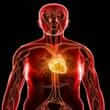
- Congestive heart failure (CHF), or heart failure, is a condition in which the heart is unable to adequately pump blood throughout the body and/or unable to prevent blood from accumulating, or "backing up," into the lungs.
- In most cases, CHF is a process that occurs over time, when an underlying condition damages the heart or makes it work too hard, weakening the organ. Health conditions that may lead to CHF include: coronary artery disease, hypertension (high blood pressure), or arrhythmias.
- Symptoms of heart failure include shortness of breath and abnormal fluid retention, which usually results in swelling in the feet and legs.
- According to the American Heart Association (AHA), nearly five million individuals experience heart failure and about 550,000 new cases are diagnosed each year in the United States. Heart failure becomes more prevalent with age and the number of cases is expected to grow as the overall age of the population increases.
Signs and Symptoms
- Congestive heart failure (CHF) is chronic (long-term) and generally occurs slowly. Congestion, or the backing up of blood, occurs in the liver, abdomen, lower extremities, and lungs. The backing up of blood causes symptoms such as shortness of breath, fatigue, and swelling (particularly in the legs and feet). Other symptoms develop as the body tries to compensate for the heart's reduced pumping ability. The heart beats faster, its muscle thickens, and the ventricles may stretch to accommodate more blood. Damage to the ventricles may cause them to pump out of sync, further reducing the efficient delivery of blood to the body. Symptoms of CHF include: a dry, hacking cough, especially when lying down; confusion, sleepiness, and disorientation may occur in older individuals; dizziness, fainting, fatigue, or weakness; fluid buildup, especially in the legs, ankles, and feet; increased urination at night; nausea; abdominal swelling, tenderness, or pain; weight gain due to fluid buildup; weight loss as nausea causes a loss of appetite and as the body fails to absorb food well; rapid breathing, bluish skin, and feelings of restlessness, anxiety, and suffocation; shortness of breath and lung congestion as the blood backs up in the lungs; and wheezing and spasms of the airways similar to asthma.
Diagnosis
- Physical examination and medical history: During a physical examination, a doctor will look for underlying causes of the problem and assess heart function. A stethoscope is used to detect murmurs (abnormal heart sounds) that may indicate a leaky or narrowed valve, and to detect fluid accumulation in the lungs. The doctor also looks for enlarged veins in the neck and for edema (swelling) in the legs, particularly the ankles, feet, and/or the abdomen.
- A patient history may include information about risk factors, such as family medical history, past surgeries and medications, history of chest pain, high blood pressure (including treatments), heart attack, recent viral illness, or recent pregnancy.
- Blood tests: Blood tests may include: blood cell counts to test for conditions such as anemia (low red blood cells); electrolyte levels, including sodium, potassium, and calcium; nutrient levels, such as vitamins and trace minerals; tests for kidney function, including blood urea nitrogen (BUN) and creatinine levels; and testing for homocysteine and/or C-reactive protein (CRP), both markers of inflammation and heart disease. The diagnostic test marker for CHF is N-terminal prohormone brain natriuretic peptide or NT-proBNP. Brain natriuretic peptide (BNP) is a hormone produced at higher levels by the failing heart muscle.
- Electrocardiogram: An electrocardiogram (ECG or EKG) is a noninvasive test used to measure electrical activity in the heart. Electrical sensors called leads are attached to predetermined positions on the arms, legs, and chest to record electrical activity and help assess heart function. The heart's rhythm of contraction is controlled by the sinoatrial node (SA node), often called the pacemaker. Electrical impulses generated from the SA node spread through the heart via a nodal tissue pathway that coordinates the events leading to heart beat. The conduction system initiates and coordinates the muscular activity of the heart.
- Echocardiogram: Echocardiogram, or echo, is an ultrasound examination of the heart that produces detailed images of the organ. It can be used to detect abnormalities in the structure of the heart and to measure the amount of blood ejected from the heart. During an echocardiogram, a microphone-like device (transducer) is used to transmit and receive ultrasonic waves that travel through the chest wall to the heart and are reflected back to the transducer. The reflected sound waves are translated into images of the heart, including the valves, chambers, and walls.
- Echocardiogram also is used to measure the pressure change (gradient) between the left ventricle and the aorta, to assess thickening of the walls of the heart, to evaluate pumping function, and to measure the amount of dilation (increased diameter) of the left ventricle.
- Chest x-ray: A chest x-ray is used in identifying the buildup of fluid in the lungs. Also, the heart usually enlarges in CHF, which may be visible on the x-ray film.
- Cardiac catheterization: Cardiac catheterization may be performed in individuals with angina and in those with a history of heart attack to determine if coronary heart disease (CHD) is causing heart failure. Cardiac catheterization produces angiograms (such as x-ray images) of the coronary arteries and the left ventricle, and can be used to monitor heart function.
- Cardiac catheterization involves injecting a small amount of radioactive dye, called a contrast agent, into the left ventricle through a catheter (a thin flexible tube). A special camera is then used to determine how much of the dye is ejected from the heart with each beat. The infusion of dye typically produces a characteristic "hot flash" sensation throughout the body that lasts 10-15 seconds.
- Stress test: In some individuals, a less invasive procedure called a stress test is used to assess the possibility of coronary heart disease. If the results of this procedure suggest the presence of coronary artery disease, a subsequent referral for cardiac catheterization is likely.
- Several types of stress tests may be used by doctors to access heart function. In some cases, the individual simply walks on a treadmill while connected to an electrocardiogram (ECG). Another type uses intravenous (IV, or in the veins) medication, usually dipyridamole (Persantine®), which reproduces the stress of exercise on the heart.
- Nuclear stress test: Nuclear stress tests involve injecting a radioactive substance, most commonly technetium or Tc-99m sestamibi (Cardiolite®), into a vein. A special camera is then used to obtain images of the heart during rest and immediately following exercise on a treadmill as the radioactivity flows through the heart. The radioactivity levels used are not harmful.
- A nuclear test called a radionuclide ventriculography or multiple gated acquisition (MUGA) scanning allows doctors to see how much blood the heart pumps with each beat, called the ejection fraction. The MUGA scan gives an accurate and reproducible means of measuring and monitoring the actual amount of blood ejected from the heart. The tests use a small amount of radioactive material injected into the veins. A special camera detects the radioactive material as it flows through the heart. Individuals with an allergy to iodine or shellfish have special considerations and may not be able to have this test because the dye contains iodine. The use of medications, including the antihistamine diphenhydramine (Benadryl®) and/or prednisone (Delatasone®), prior to the administration of the dyes (contrast media), may help to prevent or decrease the chance of an allergic reaction.
- Classifying heart failure: Results of these tests help doctors determine the cause of CHF and develop a program to treat the heart. To determine the best course of treatment, doctors may classify heart failure using one of two scales. The New York Heart Association scale classifies heart failure in categories from one to four. In Class I heart failure, the mildest form, individuals can perform everyday activities and not feel winded or fatigued. Individuals with class II have slight limitation of physical activity and ordinary physical activity may result in fatigue, palpitation, shortness of breath, or chest pain. Those with class III have marked limitation of physical activity and less than ordinary activity causes fatigue, palpitation, shortness of breath, or chest pain. Class IV is the most severe, and individuals are short of breath even at rest. The American College of Cardiology scale uses letters A-D. The system includes a category for individuals who are at risk of developing heart failure. Early stage heart failure includes stage A (individuals are at risk for developing heart failure without evidence of heart dysfunction) and stage B (there is evidence of heart dysfunction without symptoms). Advanced stage heart failure includes stage C (there is evidence of heart dysfunction with symptoms) and stage D (there are symptoms of heart failure despite maximal therapy). Doctors can use these classifications to identify the risk factors and begin early, more aggressive treatment to help prevent or delay heart failure.
Complications
- Congestive heart failure can affect many organs of the body. For example, the weakened heart muscles may not be able to supply enough blood to the kidneys, which then begin to lose their normal ability to excrete salt (sodium) and water. This diminished kidney function can cause the body to retain more fluid. The lungs may become congested with fluid (pulmonary edema) and the person's ability to exercise is decreased. Fluid may likewise accumulate in the liver, thereby impairing its ability to rid the body of toxins and produce essential proteins. The intestines may become less efficient in absorbing nutrients and medicines. Over time, untreated congestive heart failure will affect virtually every organ in the body. The lack of blood flow to the heart can lead to irreversible damage to the heart muscle.
- Chest pain (angina) is an indicator of a heart attack (myocardial infarction). A heart attack can cause sudden death.
Treatment
- Treatment for congestive heart failure (CHF) varies and involves reducing symptoms, treating the underlying cause of the condition when possible, and using medications to prevent further deterioration of heart function.
- Lifestyle changes :
- Lifestyle changes can help reduce symptoms such as fatigue, shortness of breath, and edema (swelling). These modifications may include dietary changes (such as a restricted salt intake of less than 2,000 mg daily), abstaining from alcohol, stopping smoking, and exercising regularly (under the supervision of a doctor).
- Medications :
- A combination of medications is used to treat CHF. Depending on the symptoms, individuals with CHF may take one, two, or more of these drugs. Several types of medications have proved useful in the treatment of heart failure including: angiotensin-converting enzyme (ACE) inhibitors, angiotensin receptor blockers (ARBS), beta-blockers, digoxin, diuretics, and aldosterone antagonists.
- Angiotensin-converting enzyme (ACE) inhibitors: Angiotensin-converting enzyme (ACE) inhibitors are a medication that dilates or widens blood vessels to lower blood pressure, improve blood flow, and decrease the workload on the heart. ACE inhibitors include enalapril (Vasotec®), lisinopril (Prinivil®, Zestril®), and captopril (Capoten®).
- Side effects of ACE inhibitors include chronic, nonproductive cough (occurs in about 10% of patients), dizziness or weakness (caused by low blood pressure), increased potassium levels, skin rashes, and sudden swelling of the lips, face, and cheeks (if this occurs, the patient must seek medical attention immediately).
- Angiotensin II (A-II) receptor blockers (ARBs): Angiotensin receptor blockers, or ARBS, have many of the beneficial effects of ACE inhibitors, but they do not cause a persistent cough. They may be an alternative for individuals who cannot tolerate ACE inhibitors. ARBs include losartan (Cozaar®) and valsartan (Diovan®).
- Digoxin (Lanoxin®): Digoxin (Lanoxin®) increases the strength of the heart muscle contractions. Digoxin also tends to slow the heartbeat. Digoxin reduces heart failure symptoms and improves the individual's ability to live with the CHF. Side effects are rare, but may include blurred vision, cardiac problems (such as arrhythmias or heart block), diarrhea, headaches, loss of appetite, hypotension (low blood pressure), and nausea and vomiting.
- Beta blockers: Beta blockers are a class of drugs that slows the heart rate and reduces blood pressure. Beta blockers include carvedilol (Coreg®), metoprolol (Lopressor®), and propranolol (Inderal®). These medicines also reduce the risk of some abnormal heart rhythms. Beta blockers may reduce signs and symptoms of heart failure and improve heart function. Beta-blockers are started at low doses that are gradually increased over a period of several months. During the first several weeks of treatment, some patients experience worsening symptoms due to a decrease in oxygen circulation in the body. Other side effects include low blood pressure, difficulty breathing, sexual dysfunction, nausea, and weakness with exertion.
- Diuretics: Diuretics, or water pills, make individuals urinate more frequently and keep fluid from collecting in the body. Commonly prescribed diuretics for heart failure include hydrochlorothiazide (Diuril®) and furosemide (Lasix®). Diuretics also decrease fluid in the lungs, helping individuals breathe more easily. Side effects include frequent urination and low potassium blood levels. Because of this, blood tests are performed periodically and a potassium supplement is prescribed if blood levels are low. Individuals may be asked to eat more fruits high in potassium, such as bananas and oranges, while on diuretic therapy.
- Aldosterone antagonists: Aldosterone antagonists are primarily potassium-sparing diuretics, but they have additional properties that help the heart work better, may reverse scarring of the heart, and may help individuals with severe heart failure live longer. Aldosterone antagonists include spironolactone (Aldactone®) and eplerenone (Inspra®). Unlike other diuretics, spironolactone can raise the level of potassium in the blood to dangerous levels. Healthcare professionals recommend eliminating high-potassium foods, such as bananas, lentils, nuts, peaches, potatoes, salmon, tomatoes, and watermelon while taking aldosterone antagonists.
- Others: A medication called BiDil® is a single pill that combines hydralazine and isosorbide dinitrate, both of which dilate and relax the blood vessels. BiDil® increases survival when added to standard therapy in African American individuals with advanced heart failure. This is the first drug studied and approved for a specific racial group. Further studies will be necessary to determine if this combination medicine will be helpful for others with heart failure. Side effects may include blurred vision, dry mouth, irregular heartbeat, blood in the urine or stools, numbness or tingling in the arms or legs, and fainting.
- Doctors often prescribe other heart medications, such as HMG-CoA reductase inhibitors (statin) drugs, for cholesterol reduction. Statin drugs include atorvastatin (Lipitor®) or lovastatin (Mevacor®). They may cause liver problems or muscle pain. Anti-arrhythmic drugs may also be prescribed to control irregular heart beats, including diltiazem (Cardizem®, Cardizem CR®) and verapamil (Calan®, Calan SR®).
- Individuals may be hospitalized for a few days if complications arise as a result of CHF symptoms. While in the hospital, individuals may receive additional medications such as intravenous (IV, or into the veins) dobutamine (Dobutrex®), milrinone, (Primacor®), and nitroglycerin. These drugs work quickly to help the heart pump better and relieve symptoms. Individuals may also receive supplemental oxygen through a mask or small tubes placed in the nose. If severe heart failure is present, the individual may need to use supplemental oxygen long term.
- Individuals hospitalized with severe CHF may be given an intravenous drug called nesiritide (Natrecor®). Nesiritide is a synthetic version of a naturally occurring hormone in the body called brain natriuretic peptide (BNP). BNP is secreted in high levels by the heart in response to a failing heart. However, it is not clear if nesiritide is better than other intravenous medications for severe heart failure. Studies are ongoing to evaluate the safety and effectiveness of nesiritide in heart failure.
- Other Treatments :
- Aquapheresis: In some cases, heart failure persists or worsens in spite of treatment. An ultrafiltration process called aquapheresis, which uses a mechanical system called the Aquadex FlexFlowâ„¢, may be used to remove excess fluids and salt in CHF individuals who do not respond to lifestyle modifications and medication. In this treatment, blood is withdrawn using catheters (small tubes) inserted into veins in the arm, leg, or neck. The blood is then passed through a filter that removes excess fluid and is returned to the body. Studies have reported that ultrafiltration can remove more fluid at a faster rate than medication. The length of each treatment depends on the rate at which fluid can be removed from the body and the amount that must be removed.
- Angioplasty: CHF caused by reduced blood flow in the heart as a result of blockages (plaques) in one or more coronary arteries may be treated using coronary angioplasty. In this procedure, a hollow tube (catheter) is inserted through an artery (usually the femoral artery in the groin), into the coronary artery, and to the blockage. A small balloon is then inserted through the catheter and is inflated to open the blocked artery. There is a slight risk for damage to the artery during angioplasty, but heart failure symptoms usually improve following the procedure. Stenting is used along with balloon angioplasty. Stenting involves placing a mesh-like metal device into an artery at a site narrowed by plaque. The stent is mounted on a balloon-tipped catheter, threaded through an artery, and positioned at the blockage. The balloon is then inflated, opening the stent. Then, the catheter and deflated balloon are removed, leaving the stent in place. The opened stent keeps the vessel open and stops the artery from collapsing. Re-closure may occur with both balloon angioplasty and stenting. Doctors will prescribe blood thinning medications to help keep the arteries open, including aspirin, warfarin (Coumadin®), and clopidogrel (Plavix®).
- Coronary artery bypass graft surgery (CABG): A coronary artery bypass surgery (CABG) may be recommended if the individual has severe coronary artery disease in addition to CHF. This may improve the blood supply to the heart. Coronary artery bypass graft (CABG) surgery uses blood vessel grafts, which usually come from the patient's own arteries and veins located in the chest, leg, or arm. The graft goes around the clogged artery to create new pathways for oxygen-rich blood to flow to the heart. Some problems associated with CABG include a heart attack (occurs in 5% of patients), stroke (occurs in 5%, with the risk greatest in those over 70 years old), blood clots, death (occurs in 1 - 2% of individuals), and wound infection (occurs in 1 - 4%). Infection is most often associated with obesity, diabetes, or having had a previous CABG. In about 30% of patients, post-pericardiotomy syndrome can occur anywhere from a few days to six months after surgery. The symptoms of this syndrome are fever and chest pain. Symptoms can be treated with medications, including antibiotics (for infection), nitroglycerin, and anti-inflammatory drugs. The incision in the chest or the graft site (if the graft was from the leg or arm) can be itchy, sore, numb, or bruised. Some individuals report memory loss, loss of mental clarity, or "fuzzy thinking" following a CABG.
- Implantable cardiac defibrillator: An implantable cardiac defibrillator (ICD) may be used to treat severe heart failure. An ICD is a small electronic device that is surgically implanted under the skin in the chest to monitor heart rhythm. When an abnormal rhythm is detected, the defibrillator delivers an electrical "shock" to the heart to restore normal heart rhythm.
- Intra-aortic balloon pump: An intra-aortic balloon pump (IABP) is a device that is inserted through an artery in the groin (femoral artery) and then placed within the main artery (aorta). An IABP is an inflatable balloon that expands and deflates in coordination with each heartbeat. It can be left in place for days to weeks, and decreases the strain on the heart and increases blood flow throughout the body.
- Valve replacement surgery: Individuals with heart failure caused by an abnormal heart valve may require valve repair or valve replacement surgery. These are open-heart procedures in which an abnormal valve is repaired or replaced with a porcine valve (from pig tissue), a mechanical valve (made of synthetic material), or a homograft valve (from a human donor). Complications include bleeding, blood clots, infection, kidney failure, stroke, heart attack, and death. A homograft valve is preferred, as these valves are not associated with a significant risk for blood clot formation and, thus, do not require blood thinner therapy. Most individuals remain in the hospital for a week after surgery and recovery takes approximately three to four weeks, after which most patients can resume leisure activities and many return to work. Approximately 60% of individuals who have valve replacement have a ten-year post-surgery survival rate.
- Left ventricular assist device: A left ventricular assist device (LVAD) is a mechanical pump that is surgically implanted in the upper abdomen to bypass the left ventricle and pump blood throughout the body. This device may be used in patients with end-stage heart failure who are awaiting heart transplantation. Long-term use of the device in patients with severe heart failure is being explored and defined.
- Pacemaker: If individuals with CHF experience arrhythmias that will not respond to medication therapy, the arrhythmias may be corrected with a pacemaker. A pacemaker is a small, battery-powered device that is usually implanted near the collarbone. Pacemakers can be surgically placed into the chest (a permanent pacemaker) through a small incision, or they can be worn outside the body (a temporary pacemaker) and attached to the heart through a wire that is threaded through a neck vein. Temporary pacemakers are used only while an individual is in the hospital.
- The surgery needed to implant a permanent pacemaker is considered a minor surgical procedure. The procedure may take one to two hours to complete. The area where the pacemaker will be inserted will be numbed with an injection of an anesthetic such as lidocaine (Xylocaine®). The individual should not feel any pain during the procedure, and should inform the doctor or staff if they are having pain so that more anesthetic medication may be given. One or more electrode-tipped wires run from the pacemaker through the blood vessels to the inner heart. If the heart rate is too slow or if it stops, the pacemaker sends out electrical impulses that stimulate the heart to beat at a steady, proper rate. The more advanced pacemakers can monitor and pace either the atria or ventricles (or both) in proper sequence to maximize the amount of blood being pumped from the heart. The pacemaker's batteries may need to be changed every five to ten years. It is recommended by the American Heart Association to limit exposure to devices that may interfere with pulse generators such as cellular phones, CB radios, electric blankets, and microwaves.
- It is normal for the surgical wound to be somewhat painful and swollen for a few days after the procedure. This can usually be controlled with medications, such as ultram (Tramadol®) or ibuprofen (Motrin®). The wound may also appear mildly red for a few days; however, if the area of redness enlarges, a doctor should be notified due to the potential for a serious infection. If there are no other problems, most individuals who have a permanent pacemaker surgically implanted can go home the next day. They can usually return to normal activities within six weeks. For several weeks after having a pacemaker implanted, the individual may be asked not to lift more than five pounds or raise the affected arm over their shoulder.
- Heart transplant: In some cases, despite the use of optimal therapies as described above, the individual's condition continues to deteriorate due to progressive CHF. In selected individuals, heart transplantation is a viable treatment option. Candidates for a heart transplant are generally under age 70, do not smoke, and do not have severe or irreversible diseases affecting the other organs. Additionally, a transplant is done only when it is clear that the individual's prognosis on continued medical treatment is poor. Transplant patients require close medical follow-up while taking necessary drugs that suppress the immune system and because of the risk of rejection of the transplanted heart. They must even be monitored for possible development of coronary artery disease in the transplanted heart.
- Although there are thousands of patients on waiting lists for a heart transplant at any given time, the number of operations performed each year is limited by the number of available donor organs. For these reasons, heart transplantation is a realistic option in only a small subset of the large numbers of patients with congestive heart failure.
Prevention
- Smoking cessation: Smoking damages blood vessels, reduces the amount of oxygen in the blood, and makes the heart beat faster. If an individual smokes, a doctor can help recommend a program to help them quit. Individuals are not considered for a heart transplant if smoking is continued.
- Weight control: It is recommended that individuals weigh themselves each morning after urination, but before breakfast. Notify a doctor if there is a weight gain of three or more pounds in a day. Weight gain may indicate fluid build-up.
- Being overweight contributes to other risk factors for stroke, such as high blood pressure, cardiovascular disease, and diabetes. Weight loss of as little as ten pounds may lower blood pressure and improve cholesterol levels.
- Exercise can lower blood pressure, increase the level of high density lipoprotein (HDL cholesterol or good cholesterol), and improve the overall health of blood vessels and heart. It also helps control weight, control diabetes, and reduce stress. Cardiac rehabilitation programs exist for individuals recovering from heart surgery. Cardiac rehabilitation is a medically supervised program to help heart patients recover quickly and improve their overall physical, mental, and social functioning. The goal is to stabilize, slow, or even reverse the progression of cardiovascular disease, thereby reducing the risk of heart disease, another cardiac event, or death. Cardiac rehabilitation programs include: counseling so the individual can understand and manage the disease process; an exercise program; counseling on nutrition; helping the patient modify risk factors such as high blood pressure, smoking, high blood cholesterol, physical inactivity, obesity, and diabetes; providing vocational guidance to enable the patient to return to work; information on physical limitations; lending emotional support; and counseling on appropriate use of prescribed medications. A doctor can help initiate an exercise program and cardiac rehabilitation tailored to the individual with congestive heart failure (CHF).
- Salt restriction: Too much sodium (from salt) contributes to water retention, which makes the heart work harder. Excess sodium may causes shortness of breath and swollen legs, ankles, and feet. For individuals with heart failure the recommended sodium intake is no more than 2,000 mg daily. Some substitutes or "lite" salts contain a mixture of salt and other compounds. To get that familiar salty taste, individuals may use too much of the substitute and actually not reduce sodium intake. In addition, many salt substitutes contain potassium chloride. Too much potassium can be harmful. A dietitian can help outline a healthy, low-salt diet.
- Stress management: Stress can cause an increase in blood pressure along with increasing the blood's tendency to clot. Managing stress can be vital to keeping a heart healthy.
- Diet modification: Eating healthy foods is important. A heart-healthy diet should include five or more daily servings of fruits and vegetables, foods rich in soluble fiber (such as oatmeal and beans), foods rich in calcium (dairy products, spinach), soy products (such as tempeh, miso, tofu, and soy milk), and foods rich in omega-3 fatty acids, including cold-water fish, such as salmon, mackerel, and tuna. Pregnant women and women who plan to become pregnant in the next several years should limit their weekly intake of cold-water fish because of the potential for mercury contamination. Limiting red meats and high fat foods (such as doughnuts, cookies, and chips) is recommended by healthcare professionals.
- Alcohol: Excessive use of alcohol may weaken the heart muscle or increase the risk of abnormal heart rhythms, further worsening existing heart failure. Alcohol may also interact with some medications used to treat heart conditions. One glass of red wine daily may be beneficial for heart health.
- Swelling: Leg, ankle, and foot edema can be improved by elevating the legs above heart level for 30 minutes three or four times per day. Leg elevation alone may be sufficient therapy for patients with mild venous insufficiency, but is usually not adequate for more severe cases. In addition, it may not be practical for those who work to elevate their legs several times per day.
- Leg edema (swelling) can also be prevented and treated with the use of compression stockings. Many types are available, including knee-high, thigh-high, and pantyhose. Knee-high stockings are sufficient for most individuals; thigh-high stockings are less desirable because they tend to provide too much pressure behind the knees, reducing blood flow in the veins, and causing discomfort. The stockings should be put on as early as possible in the morning when edema is minimal. Healthcare professionals can help with choosing the right compression stocking for each individual.
- Sleep: It is recommended that individuals with CHF who have shortness of breath sleep with their head propped up at a 45 degree angle using a pillow or a wedge.
References
Natural Standard developed the above evidence-based information based on a thorough systematic review of the available scientific articles. For comprehensive information about alternative and complementary therapies on the professional level, go to www.naturalstandard.com. Selected references are listed below.
- Allard ML, Jeejeebhoy KN, Sole MJ. The management of conditioned nutritional requirements in heart failure. Heart Fail Rev. 2006;11(1):75-82. . View Abstract
- American Heart Association. . Accessed March 11, 2009.
- Boekholdt SM, Sandhu MS, Day NE, et al. Physical activity, C-reactive protein levels and the risk of future coronary artery disease in apparently healthy men and women: the EPIC-Norfolk prospective population study. Eur J Cardiovasc Prev Rehabil. 2006;13(6):970-6. . View Abstract
- Dauchet L, Amouyel P, Hercberg S, et al. Fruit and vegetable consumption and risk of coronary heart disease: a meta-analysis of cohort studies. J Nutr. 2006;136(10):2588-93. . View Abstract
- Jiang W, Kuchibhatla M, Clary GL, et al. Relationship between depressive symptoms and long-term mortality in patients with heart failure. Am Heart J. 2007;154(1):102-8. . View Abstract
- National Institutes of Health. . Accessed March 11, 2009.
- Natural Standard: The Authority on Integrative Medicine. Copyright © 2009. . Accessed March 11, 2009.
- Riegel B, Moser DK, Powell M, et al. Nonpharmacologic care by heart failure experts. J Card Fail. 2006;12(2):149-153. . View Abstract
- U.S. Food and Drug Administration. . Accessed March 11, 2009.
- von Haehling S, Doehner W, Anker SD. Nutrition, metabolism, and the complex pathophysiology of cachexia in chronic heart failure. Cardiovasc Res. 2007;73(2):298-309. . View Abstract