
- Fennel : For centuries, fennel fruits have been used as herbal medicines in Europe and China. Fennel tea is often used to treat infants with digestive disorders. It has a mild flavor and seems to be well-tolerated. An emulsion of fennel seed oil and an herbal tea containing fennel have been shown to reduce infantile colic. Additional studies are warranted in order to confirm these findings.
- Avoid if allergic or hypersensitive to fennel or other members of the Apiaceae family. Fennel is generally well-tolerated. However, serious allergic reactions may occur. Use cautiously with diabetes. Avoid with epilepsy. Avoid in infants and toddlers. Avoid if pregnant or breastfeeding.
- Hypnotherapy : Hypnotherapy involves the power of suggestion during a deep state of relaxation. Early research suggests that hypnotherapy may lower the sensory and motor component of the gastro-colonic (intestinal) responses in patients with irritable bowel syndrome. Better studies are necessary to make a conclusion.
- Use cautiously with mental illnesses (e.g. psychosis, schizophrenia, manic depression, multiple personality disorder, or dissociative disorders) or seizure disorders.
- Peppermint : Peppermint (Mentha piperita) oil has been shown to have antispasmodic effects and may improve irritable bowel syndrome (IBS) symptoms such as cramping and bloating. Several clinical trials have used enteric-coated peppermint oil in IBS or recurrent abdominal pain in children. Significant improvements in symptoms of IBS were reported. However, more research is needed before a firm conclusion can be made.
- Caution is advised when taking peppermint supplements, as adverse effects including heartburn, anal burning, and drug interactions are possible. Peppermint oil by mouth may increase blood levels of the drugs felodipine (Plendil®) and simvastatin (Zocor®). Peppermint oil increases levels of cyclosporine in the blood. Peppermint oil used on the skin with 5-fluorouracil (5-FU) may increase the rate of absorption of 5-FU. Peppermint supplements should not be used if pregnant or breast feeding, unless otherwise directed by a doctor. Do not use peppermint oil in individuals with gallbladder problems.
- Probiotics : Probiotics are beneficial bacteria (sometimes referred to as "friendly germs") that help to maintain the health of the intestinal tract and aid in digestion. They also help keep potentially harmful organisms in the gut (harmful bacteria and yeasts) under control. Most probiotics come from food sources, especially cultured milk products. Many varieties and combinations of probiotics have been studied in clinical trials for irritable bowel syndrome (IBS). Findings frequently report reductions of symptoms including pain, flatulence, bloating, and stool frequency. There is some evidence of reduced inflammation. The magnitude of benefit seen in most studies is modest. Not all studies, however, show beneficial effects. More studies are needed to determine the best protocols and the level of benefit that can be expected. Commonly used probiotics for IBS include Lactobacillus acidophilus and Saccharomyces boulardii.
- Probiotics are generally regarded as safe for human consumption. Probiotics may cause diarrhea in large doses. Avoid if allergic or hypersensitive to probiotics. Use cautiously if lactose intolerant.
- Acupressure, shiatsu : The practice of applying finger pressure to specific acupoints throughout the body has been used in China for thousands of years, prior to the use of acupuncture. It is proposed that acupressure may reduce muscle pain and tension, improve blood circulation, release endorphins, and release/eliminate toxins. A small study suggests that acupressure may improve gastrointestinal motility. Additional research is necessary before a firm conclusion can be drawn.
- With proper training, acupressure appears to be safe if self-administered or administered by an experienced therapist. Serious long-term complications have not been reported in the available literature. Hand nerve injury and herpes zoster ("shingles") cases have been reported after shiatsu massage. Forceful acupressure may cause bruising.
- Acupuncture : The practice of acupuncture originated in China 5,000 years ago. Acupuncture involves the use of needles to stimulate body function and bring the body into balance. Limited evidence suggests benefit of acupuncture in irritable bowel syndrome, however, more studies are needed.
- Needles must be sterile in order to avoid disease transmission. Avoid with valvular heart disease, infections, bleeding disorders, medical conditions of unknown origin, or neurological disorders. Avoid if taking drugs that increase the risk of bleeding (e.g. anticoagulants). Avoid on areas that have received radiation therapy and during pregnancy. Use cautiously with pulmonary disease (e.g. asthma or emphysema). Use cautiously in elderly or medically compromised patients, diabetics, or with history of seizures. Avoid electroacupuncture with arrhythmia (irregular heartbeat) or in patients with pacemakers because therapy may interfere with the device.
- Acustimulation : Acustimulation involves electrical stimulation at various points on the body (as an alternative to needles in acupuncture) and may be applied to reduce certain symptoms. Limited available study suggests that acustimulation to points on the wrist and below the knee may help patients with irritable bowel syndrome to reduce symptoms and pain. However, the design was weak, and more studies are needed to determine benefits for this indication.
- A known side effect of acustimulation devices is slight skin irritation under the electrodes when the wristband is used. It is recommended to switch wrists to prevent this from happening. Acustimulation devices should only be used on the designated area. Use cautiously with pacemakers. Avoid if the cause of medical symptoms is unknown. Keep acustimulation devices out of the reach of children.
- Agrimony : Anecdotally, agrimony (Agrimonia eupatoria) has been used for many gastrointestinal disorders such as appendicitis, mild diarrhea, stimulation of appetite and ulcers. Human data is currently lacking for these uses.
- Caution is advised when taking agrimony supplements, as adverse effects including increased bleeding, lowered blood pressure, and drug interactions are possible. Agrimony supplements should not be used if pregnant or breast feeding, unless otherwise directed by a doctor.
- Ayurveda : Ayurveda is a form of natural medicine that originated in ancient India more than 5,000 years ago that uses diet, herbs, exercise, meditation, yoga, and massage or bodywork to achieve optimal health. A compound Ayurvedic preparation with Aegle marmelos correa and Bacopa monnieri Linn is a traditional herbal preparation used for digestive disturbances and diarrhea. There is evidence from limited available study suggesting that this combination may have short-term benefits for patients with irritable bowel syndrome in general, and in particular those with diarrhea. However, benefits may not be maintained in the long term. More studies are needed to further evaluate this treatment.
- Ayurvedic herbs can interact with other herbs, foods, and drugs. A qualified healthcare professional should be consulted before taking. Ayurvedic herbs should be used cautiously because they are potent and some constituents can be potentially toxic if taken in large amounts or for a long time. Some herbs imported from India have been reported to contain high levels of toxic metals.
- Bacopa : Bacopa (Bacopa monnieri) is a commonly used herb in the Ayurvedic (Hindu Indian) system of medicine. In limited available study, a combination of bacopa leaf and bael fruit (Aegle marmelos correa) was used to treat irritable bowel syndrome. The effect of bacopa cannot be isolated in this study, and more high-quality studies using bacopa alone are needed.
- Caution is advised when taking bacopa supplements, as adverse effects including drug interactions are possible. Bacopa supplements should not be used if pregnant or breast feeding, unless otherwise directed by a doctor.
- Belladonna : Belladonna has been used for centuries to treat many medical conditions. It has been used historically for the treatment of irritable bowel syndrome, and its mechanism of action suggests that it may be effective for some symptoms of this disorder. However, the few studies that are available do not clearly show that belladonna alone (not as part of a mixed product) provides this effect.
- Avoid if allergic to belladonna or plants of the Solanaceae (nightshade) family (such as bell peppers, potatoes, or eggplants). Avoid with a history of heart disease, high blood pressure, heart attack, abnormal heartbeat, congestive heart failure, stomach ulcer, constipation, stomach acid reflux, hiatal hernia, gastrointestinal disease, ileostomy, colostomy, fever, bowel obstruction, benign prostatic hypertrophy (enlarged prostate), urinary retention, glaucoma (narrow angle), psychotic illness, Sjögren's syndrome, dry mouth, neuromuscular disorders (such as myasthenia gravis), or Down's syndrome. Avoid if pregnant or breastfeeding.
- Chamomile : Chamomile is reputed to have anti-spasmodic effects and has been used traditionally for numerous gastrointestinal conditions, including digestive disorders, "spasm" or colic, infantile colic, upset stomach, flatulence (gas), ulcers, and gastrointestinal irritation. However, currently there is a lack of reliable human research available in any of these areas. Additional study is needed.
- Avoid if allergic to chamomile or any related plants, such as aster, chrysanthemum, mugwort, ragweed, or ragwort. Stop use two weeks before and immediately after surgery/dental/diagnostic procedures with bleeding risks. Use cautiously if driving or operating machinery. Avoid if pregnant or breastfeeding.
- Chiropractic : Chiropractic is a health care discipline that focuses on the relationship between musculoskeletal structure (primarily the spine) and body function (as coordinated by the nervous system), and how this relationship affects the preservation and restoration of health. Although chiropractic is used anecdotally in colic therapy, there is not enough reliable scientific evidence on the effects of chiropractic techniques in the management of infantile colic.
- Use extra caution during cervical adjustments. Use cautiously with acute arthritis, conditions that cause decreased bone mineralization, brittle bone disease, bone softening conditions, bleeding disorders, or migraines. Use cautiously with the risk of tumors or cancers. Avoid with symptoms of vertebrobasilar vascular insufficiency, aneurysms, unstable spondylolisthesis or arthritis. Avoid with agents that increase the risk of bleeding. Avoid in areas of para-spinal tissue after surgery. Avoid if pregnant or breastfeeding due to a lack of scientific data.
- Clay : There is currently not enough scientific evidence to recommend the medicinal use of clay by mouth in patients with gastrointestinal disorders. Some clay preparations have been found to be similar to Kaolin® and Kaopectate®, which are used to treat functional gastrointestinal disorders including diarrhea. However, overall, there are significant potential risks that accompany the use of clay, including intestinal blockage and injury as well as lead poisoning.
- Globe artichoke : Globe artichoke (Cynara scolymus) is a species of thistle that has been used for centuries for various gastrointestinal disorders. Several studies have found that globe artichoke supplements may decrease symptoms associated with irritable bowel syndrome, such as gas, bloating, and cramping. However, there is insufficient evidence from these controlled clinical trials to recommend for or against the use of artichoke in relieving the symptoms of this disorder.
- Caution is advised when taking globe artichoke supplements, as adverse effects including an increase in bleeding and drug interactions are possible. Globe artichoke supplements should not be used if pregnant or breast feeding, unless otherwise directed by a doctor.
- Lactobacillus acidophilus : Lactobacilli are bacteria that normally live in the human small intestine and vagina. Human studies report mixed results in the improvement of irritable bowel syndrome symptoms after taking Lactobacillus acidophilus by mouth.
- Patients may have difficulty tolerating if allergic to dairy products containing L. acidophilus. Avoid with a history of an injury or illness of the intestinal wall, immune-disease, or heart valve surgery. Avoid with prescription drugs, (e.g. corticosteroids) because of the risk of infection. Use cautiously with heart murmurs. Antibiotics or alcohol may destroy Lactobacillus acidophilus. Therefore, it is recommended that Lactobacillus acidophilus be taken three hours after taking antibiotics or drinking alcohol. Some individuals can use antacids (e.g. famotidine (Pepcid®) or esomeprazole (Nexium®)) to decrease the amount of acid in the stomach one hour before taking Lactobacillus acidophilus.
- Meditation : Various forms of meditation have been practiced for thousands of years throughout the world. Some forms of meditation may help to ease the symptoms of irritable bowel syndrome. However, more research is needed before recommendations can be made.
- Use cautiously with underlying mental illnesses. People with psychiatric disorders should consult with their primary mental healthcare professionals before starting a program of meditation and should explore how meditation may or may not fit in with their current treatment plans. Avoid with risk of seizures. The practice of meditation should not delay the time to diagnose or treat any condition with more proven techniques or therapies. Meditation should not be used as the sole approach to illnesses.
- Psyllium : Psyllium, also known as ispaghula, comes from the husks of the seeds of Plantago ovata. Psyllium preparations have been studied in the treatment of irritable bowel syndrome symptoms. Results of these trials have been conflicting. In some cases, insoluble fiber may worsen the clinical outcome.
- Avoid if allergic or hypersensitive to psyllium, ispaghula, or English plantain (Plantago lanceolata). Prescription drugs should be taken one hour before or two hours after psyllium. Use cautiously if pregnant or breastfeeding because psyllium may lower blood sugar levels.
- Reflexology : Reflexology involves the application of manual pressure to specific points or areas of the feet that are believed to correspond to other parts of the body. Preliminary study of reflexology in humans with irritable bowel syndrome and infantile colic has not yielded definitive results. Better research is needed.
- Avoid with recent or healing foot fractures, unhealed wounds, or active gout flares affecting the foot. Use cautiously and seek prior medical consultation with osteoarthritis affecting the foot or ankle, or severe vascular disease of the legs or feet. Use cautiously with diabetes, heart disease or the presence of a pacemaker, unstable blood pressure, cancer, active infections, past episodes of fainting (syncope), mental illness, gallstones, or kidney stones. Use cautiously if pregnant or breastfeeding. Reflexology should not delay diagnosis or treatment with more proven techniques or therapies.
- Saccharomyces boulardii : Limited available study has shown that Saccharomyces boulardii may be an effective treatment of irritable bowel syndrome. Additional study is required before a conclusion can be made.
- Avoid if allergic/hypersensitive to yeast, Saccharomyces boulardii, Saccharomyces cerevisiae, or other species in the Saccharomycetaceae family. Use cautiously in immunocompromised or critically ill patients. Use cautiously with indwelling central venous catheters, colitis, cancer, or constipation. Use cautiously in the elderly, in individuals undergoing chemotherapy, and in infants. Use cautiously if taking antidiarrheal agents. Avoid with a yeast infection. Avoid if pregnant or breastfeeding.
- Slippery elm : Slippery elm is native to eastern Canada and the eastern and central United States. Its name refers to its slippery consistency when the inner bark is chewed or mixed with water. Slippery elm has been traditionally used to treat gastrointestinal disorders and inflammatory conditions of the digestive tract such as gastritis, peptic ulcer disease, and enteritis. Additional study is needed to make a conclusion on the effects of slippery elm for any of these indications.
- Avoid if allergic or hypersensitive to slippery elm or if pregnant or breastfeeding.
- Turmeric : Turmeric is a perennial plant native to India and Indonesia that is often used as a spice in cooking. Limited available study investigated the effects of Curcuma xanthorriza on irritable bowel syndrome and found that treatment did not show any therapeutic benefit over placebo. More studies are needed to verify these findings.
- Avoid if allergic or hypersensitive to turmeric, curcumin, yellow food colorings, or plants belonging to the Curcuma and Zingiberaceae (ginger) families. Use cautiously with a history of bleeding disorders, immune system deficiencies, liver disease, or gallstones. Use cautiously if taking anticoagulants. Use cautiously if pregnant or breastfeeding.
- White horehound : White horehound (Marrubium vulgare) has been found to have antispasmodic properties and has been used traditionally to treat intestinal disorders. However, there are few well-designed studies in this area, and little information is available about the effectiveness of white horehound for this use.
- Caution is advised when taking white horehound supplements, as adverse effects including drug interactions are possible. White horehound supplements should not be used if pregnant or breast feeding, unless otherwise directed by a doctor.
- Yoga : Yoga is an ancient system of relaxation, exercise, and healing with origins in Indian philosophy. Early evidence suggests that yoga may be beneficial in the management of adolescent irritable bowel syndrome by helping to regulate colon function through exercise. Further research is needed in this area.
- Yoga is generally considered to be safe in healthy individuals when practiced appropriately. Avoid some inverted poses with disc disease of the spine, fragile or atherosclerotic neck arteries, extremely high or low blood pressure, glaucoma, detachment of the retina, ear problems, severe osteoporosis, cervical spondylitis, or if at risk for blood clots. Certain yoga breathing techniques should be avoided with heart or lung disease. Use cautiously with a history of psychotic disorders. Yoga techniques are believed to be safe during pregnancy and breastfeeding when practiced under the guidance of expert instruction. However, poses that put pressure on the uterus, such as abdominal twists, should be avoided in pregnancy.
- Traditional Chinese medicine (TCM)Â : TCM has been studied for diarrhea predominant irritable bowel syndrome but herbal formulations used in available studies have not led to global symptom improvement. Further studies may be necessary to characterize the role of TCM in the management of IBS.
medical conditions
Irritable Bowel Syndrome
Explore the available health information, treatment context, and integrative evidence for Irritable Bowel Syndrome.
Evidence Ledger
Grades describe the evidence for Irritable Bowel Syndrome relative to each listed condition or goal.
Toggle evidence section
Evidence and integrative options for Irritable Bowel Syndrome
Background
- Irritable bowel syndrome (IBS) may be referred to as spastic colon, mucous colitis, spastic colitis, nervous stomach, or irritable colon.
- IBS is a functional bowel disorder, conditions in which the bowel appears normal but does not function normally. IBS is fairly common and makes up 20 - 50% of visits to gastroenterologists (doctors who diagnose and treat digestive problems).
- Lower abdominal pain, and bloating associated with alteration of bowel habits (constipation and/or diarrhea) and abdominal discomfort relieved with defecation are the most frequent symptoms.
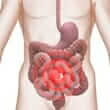
- The colon, which is about 5 feet long, connects the small intestine to the rectum and anus. The major function of the colon is to absorb water, nutrients, and salts from the partially digested food that enters from the small intestine. Colon motility (the contraction of the colon muscles and the movement of its contents) is controlled by nerves, hormones, and the colon muscles. These contractions move the contents inside the colon toward the rectum. During this passage, water and nutrients are absorbed into the body, and what is left over is stool. A few times each day contractions push the stool down the colon, resulting in a bowel movement. However, if the muscles of the colon, sphincters, and pelvis do not contract in the right way (as in IBS), the contents inside the colon do not move correctly, resulting in abdominal pain, cramps, constipation, a sense of incomplete stool movement, or diarrhea.
- Most people can control their symptoms with diet, stress management, lifestyle modification and prescribed medications. For some people, however, IBS can be disabling. They may be unable to work, attend social events, or even travel short distances due to urgency to defecate (pass stool) and pain in the colon.
- IBS commonly starts between the ages of 20 and 30, and is twice as common in women as in men. The frequency of the condition in the general population is estimated to be somewhere between 10 and 20%. Up to 70% of people suffering from IBS are not receiving medical care for their symptoms.
- IBS tends to occur with other pain disorders, such as fibromyalgia (49% of patients also have IBS), chronic fatigue syndrome (51%), chronic pelvic pain (50%), and temporomandibular joint dysfunction (64%). IBS may also exist with psychiatric conditions, such as depression, bipolar (manic/depressive disorder), and anxiety.
- The syndrome can be divided into four main types, depending on which symptom is reported. Symptoms include abdominal pain, diarrhea, constipation, or diarrhea alternating with constipation. The abdominal pain type is usually described in a patient as either diarrhea-predominant (IBS-D), constipation-predominant (IBS-C) or IBS with alternating stool pattern (IBS-A). In some individuals, IBS may have a sudden onset and develop after an infectious illness characterized by two or more of the following: fever, vomiting, acute diarrhea or positive stool culture. This post-infective syndrome has consequently been termed "post-infectious IBS" (IBS-PI).
- Chronic functional abdominal pain (CFAP) is quite similar to, but less common than, IBS. CFAP can be diagnosed if there is no change in bowel habits (constipation, diarrhea).
- IBS is diagnosed by its signs and symptoms and by the absence of other diseases such as Crohn's disease, ulcerative colitis, and irritable bowel syndrome. These three diseases are inflammatory bowel conditions, whereas the colon is not inflamed in IBS. IBS does not seem to harm the intestines and does not lead to cancer.
Risk Factors and Causes
- Although the exact cause of irritable bowel syndrome (IBS) is unknown, contributors may include poor dietary choices, neurotransmitter imbalances, and infection.
- Neurotransmitter imbalance: Up to 60% of individuals with the syndrome have psychological symptoms such as anxiety and depression. Research has reported that serotonin (a neurochemical for mood and intestinal movement) is linked with normal gastrointestinal (GI) functioning. Serotonin is a specialized type chemical called a neurotransmitter that delivers messages from one part of the body to another. Ninety-five percent of the serotonin in the body is located in the gastrointestinal tract (GIT), and the other 5% is found in the brain. Cells that line the inside of the bowel work as transporters and carry the serotonin out of the GIT. People with IBS, however, have fewer places for serotonin to bind, causing abnormal levels of serotonin to exist in the GI tract. As a result, people with IBS experience problems with bowel movement, motility, and sensation. In addition, people with IBS frequently suffer from depression and anxiety, which can worsen symptoms. Similarly, the symptoms associated with IBS may cause a person to feel depressed and anxious.
- Infection: IBS may develop after a gastrointestinal infection caused by bacteria (such as Salmonella or Shigella) or parasites (such as Giardia). Infection and treatment with antibiotics can disturb the digestive flora ("good" bacteria that live in the colon) that are necessary to help break down remaining nutrients (from foods) in the colon. These disturbances in normal flora may also decrease the immune response, which helps to keep the body healthy, and as a result a patient may be more prone to illness after the antibiotic is stopped.
- Age and Gender: Gender plays a clear role, as more than 80% of IBS patients in the United States are women, according to the American College of Gastroenterology. Women with IBS appear to have more symptoms during their menstrual periods, suggesting that an imbalance of reproductive hormones such as estrogen and progesterone may increase symptoms of IBS. Age also seems to be a factor. IBS usually begins during the late teens or early 20s. Metabolism (the breaking down) of female hormones occurs in the intestines and is dependent upon the "good" bacteria for proper function. Disturbances in the "good" bacteria, such as with antibiotic use, may cause the hormones to not be broken down properly, leading to hormonal imbalances.
- Diet: An increased sensitivity or intolerance to certain foods may trigger or worsen symptoms of IBS. The digestive system must work hard to break down large meals, meats, or meals eaten too quickly. Fatty foods, artificial sweeteners (sucralose or Splenda® and saccharine or Sweet and Low®), chemical additives (dyes and preservatives), red meat, dairy products (milk, cheese, sour cream), chocolate, alcohol, and carbonated beverages (sodas) may trigger or aggravate episodes. Gluten contained in wheat and barley is also a common trigger for IBS. IBS may affect the absorption of nutrients, causing many individuals to have less of these nutrients available for use in the body.
- Other illnesses: Sometimes another illness, such as an acute episode of infectious diarrhea (gastroenteritis) may trigger IBS.
Signs and Symptoms
- IBS symptoms include abdominal pain and occasional diarrhea, often alternating with constipation, rapid transit of food with frequent bowel movements, a sense of fullness (bloating), abdominal tenderness and swelling, a lack of awareness of the bowel action (the need to "go"), and often headache and anxiety. The pain is usually felt in one of the four corners of the abdomen, especially the lower left corner.
- IBS may make bowel activity much more noisy than normal. Bowel noises, such as rumblings and squeaking caused by gases being propelled through the intestines by peristalsis (contraction of muscles in the intestines that move food through it) are called borborygmi. This may be embarrassing to people with the syndrome.
- The stools are often ribbon-like or pellet-like and may contain mucus. They may also be large, dry stools which are hard to pass.
- Other symptoms may include burping and bad breath.
- Diarrhea-predominant IBS (IBS-D): Symptoms associated with IBS-D include more than three bowel movements per day, loose watery stools, and urgency.
- Pain-predominant IBS: Symptoms associated with pain-predominant IBS include abdominal pain, cramping or aching that is relieved by a bowel movement or flatulence (gas) and cramping or aching that is relieved by a bowel movement or gas.
- Bloating-predominant IBS: Symptoms associated with bloating-predominant IBS include feeling full or bloated and excessive gas.
- Predominant rectal dissatisfaction: Predominant rectal dissatisfaction is a feeling of incomplete evacuation of the colon contents.
- Constipation-predominant IBS (IBS-C): Symptoms associated with IBS-C include fewer than three bowel movements per week, lumpy hard stools, and straining during bowel movements.
- IBS with alternating bowel habit (IBS-A): Symptoms associated with IBS-A includes alternating episodes of diarrhea and constipation.
- Although the signs and symptoms for IBS may disappear for long periods of time, for most people IBS is a chronic (long lasting) condition.
- Red flag symptoms that are not typical of IBS include pain that awakens/interferes with sleep, uncontrollable defecation, diarrhea that awakens/interferes with sleep, blood in the stool (visible or occult), weight loss, fever, and abnormal physical examination.
- People may experience symptoms from more than one of these categories, or their classification of IBS may change over time.
Diagnosis
- IBS symptoms include abdominal pain and occasional diarrhea, often alternating with constipation, rapid transit of food with frequent bowel movements, a sense of fullness (bloating), abdominal tenderness and swelling, a lack of awareness of the bowel action (the need to "go"), and often headache and anxiety. The pain is usually felt in one of the four corners of the abdomen, especially the lower left corner.
- IBS may make bowel activity much more noisy than normal. Bowel noises, such as rumblings and squeaking caused by gases being propelled through the intestines by peristalsis (contraction of muscles in the intestines that move food through it) are called borborygmi. This may be embarrassing to people with the syndrome.
- The stools are often ribbon-like or pellet-like and may contain mucus. They may also be large, dry stools which are hard to pass.
- Other symptoms may include burping and bad breath.
- Diarrhea-predominant IBS (IBS-D): Symptoms associated with IBS-D include more than three bowel movements per day, loose watery stools, and urgency.
- Pain-predominant IBS: Symptoms associated with pain-predominant IBS include abdominal pain, cramping or aching that is relieved by a bowel movement or flatulence (gas) and cramping or aching that is relieved by a bowel movement or gas.
- Bloating-predominant IBS: Symptoms associated with bloating-predominant IBS include feeling full or bloated and excessive gas.
- Predominant rectal dissatisfaction: Predominant rectal dissatisfaction is a feeling of incomplete evacuation of the colon contents.
- Constipation-predominant IBS (IBS-C): Symptoms associated with IBS-C include fewer than three bowel movements per week, lumpy hard stools, and straining during bowel movements.
- IBS with alternating bowel habit (IBS-A): Symptoms associated with IBS-A includes alternating episodes of diarrhea and constipation.
- Although the signs and symptoms for IBS may disappear for long periods of time, for most people IBS is a chronic (long lasting) condition.
- Red flag symptoms that are not typical of IBS include pain that awakens/interferes with sleep, uncontrollable defecation, diarrhea that awakens/interferes with sleep, blood in the stool (visible or occult), weight loss, fever, and abnormal physical examination.
- People may experience symptoms from more than one of these categories, or their classification of IBS may change over time.
Complications
- Health complications arising from IBS include hemorrhoids (aggravated by diarrhea and/or constipation), depression, weight loss, vitamin and mineral deficiencies, and psychosocial problems such as interference with work, relationships, friends and family.
Treatment
- Diet: It is unclear from studies if diet has a great effect on the symptoms of IBS. Nevertheless, patients often associate their symptoms with specific foods (such as salads, fats, and spicy foods), and patient's symptoms improve when dietary changes are made. Dietary fiber is often recommended for patients with IBS. Fiber probably is of benefit to IBS patients with constipation, but it does not reduce abdominal pain and may even cause it. Eating foods high in pectin (such as apples) may help decrease diarrhea. A diet of bananas, rice, apple sauce, and dry toast may be helpful.
- Lactose (milk sugar) intolerance often is blamed for diarrhea-predominant IBS, but it does not cause IBS. Because they are both common, lactose intolerance and IBS may coexist. In this situation, restricting lactose will improve, but not eliminate the symptoms. Lactose intolerance is easily determined by testing the effect of lactose (hydrogen breath testing) or following a strict lactose free elimination diet. Intolerance to sugars other than lactose, specifically, fructose, sucrose, and sorbitol, may cause symptoms that are similar to IBS or make IBS worse. However, it has not been proven that these sugars cause IBS.
- Constipation treatments: Constipation is due to the slow transport of intestinal contents through the intestines, primarily the colon. This slow transit may be due to either abnormal function of the muscles of the entire colon or just the muscles of the anus and rectum. There are a number of prescription and over-the-counter treatments for constipation available.
- Enemas: Saline enemas cause water to be drawn into the colon. Phosphate enemas (Fleet Phospho-soda®) stimulate the muscles of the colon. Mineral oil enemas lubricate and soften hard stool. Emollient enemas (Colace Microenema®) contain agents that soften the stool.
- Enemas are particularly useful when there is impaction (hardening of stool in the rectum). Defecation (bowel movement) usually occurs between a few minutes and one hour after the enema is inserted. Enemas are meant for occasional rather than regular use. The frequent use of enemas may cause disturbances of the fluids and electrolytes in the body.
- Suppositories: Different types of suppositories have different mechanisms of action. Bisacodyl (Dulcolax®) is an example of a stimulant laxative suppository. Glycerin suppositories are believed to have their effect by irritating the rectum. They are commonly used in infants and children with constipation. The insertion of the finger into the rectum where the suppository is placed may itself stimulate a bowel movement.
- Laxatives: If an individual with IBS needs a laxative, osmotic agents such as polyethylene glycol (Miralax®), sorbitol, and lactulose (Cephulac®) are good choices. Side effects may include diarrhea and abdominal discomfort (cramping, bloating).
- Diarrhea treatments: The most widely studied drug for the treatment of diarrhea in IBS is loperamide (Imodium®). Loperamide appears to work by slowing down the contractions of the muscles of the small intestine and colon. Loperamide is approximately 30% more effective than a placebo in improving symptoms among patients who have diarrhea as the main symptom of their IBS. It is not clear if loperamide reduces abdominal pain. Dosages of loperamide include an initial dose of 4mg (two capsules) followed by 2mg (one capsule) after each unformed stool. The dose must be carefully adjusted and individualized for each patient. Another commonly used anti-diarrheal drug is diphenoxylate/atropine (Lomotil®). Lomotil® is a controlled substance and may cause drug dependence. Other side effects may include dry mouth, headache, constipation, blurred vision, and drowsiness.
- Diarrhea may cause dehydration (loss of water and electrolytes such as sodium and potassium). The fluid and electrolytes lost during diarrhea need to be replaced quickly, as the body cannot function properly without them. Dehydration is particularly dangerous for infants and children, who may die from it within a matter of days. Although water is extremely important in preventing dehydration, it does not contain electrolytes. To maintain electrolyte levels, sports drinks (Gatorade® or Powerade®), broth or soups (which contain sodium), or fruit juices may be consumed. Consuming large amounts of water unbalanced by dietary electrolytes may result in a dangerous electrolytic imbalance which in rare cases may prove fatal (water poisoning or water intoxication).
- For children, doctors often recommend a special rehydration solution that contains the electrolytes and nutrients (vitamins and minerals) needed. Examples include Pedialyte®, Ceralyte®, and Infalyte®. A rehydration fluid sanctioned by the World Health Organization (WHO) consists of sodium chloride, potassium chloride, glucose and sodium bicarbonate.
- Absorbents: Absorbents are compounds that absorb water. Absorbents that are taken orally bind water in the small intestine and colon and make loose stools less watery. They also may bind toxic chemicals produced by bacteria that cause the small intestine to secrete fluid. The over-the-counter (OTC) absorbents include attapulgite (clay) and calcium polycarbophil. Attapulgite (Kaopectate®, Donnagel®, Diasorb® and Rheaban Maximum Strength®) are considered by the FDA as Category 1 agents (safe and effective) for the treatment of acute diarrhea. Attapulgite is not absorbed systemically (into the body); therefore, side effects are minimal. Attapulgite may decrease the absorption of nutrients and other drugs. Because of this effect, individuals should not to take any other medications within two to three hours of taking attapulgite. Most experts agree not to use attapulgite preparations for more than two days unless doctor recommended, if blood or mucus is present in the stool or in infants or children less than three years of age. Calcium polycarbophil (Mitrolan®, Equalactin®, FiberCon®, Fiberall®) is a bulk-forming laxative, but can be used for diarrhea when the intestines are incapable of absorbing water at normal rates. Polycarbophil absorbs fecal water, forming a gel to aid in the production of formed stools. Like attapulgite, polycarbophil is not absorbed systemically. It can absorb up to sixty times its weight in water. Studies have demonstrated that polycarbophil decreases the frequency of bowel movements and improves stool consistency in patients with acute as well as chronic diarrhea.Side effects include epigastric (abdominal) pain and bloating.
- Anti-motility drugs: Anti-motility medications are drugs that relax the muscles of the small intestine and/or the colon. Relaxation results in slower flow of intestinal contents. Slower flow allows more time for water to be absorbed from the intestine and colon and reduces the water content of stool. Cramps, due to spasm of the intestinal muscles, also are relieved by the muscular relaxation. The two main anti-motility medications are loperamide (Imodium®), which is available without a prescription, and diphenoxylate/atropine (Lomotil®), which requires a prescription. Loperamide, though related to opiates, does not cause addiction. Diphenoxylate is a man-made medication that at high doses can be addictive because of its opiate-like, euphoric (mood-elevating) effects. Diphenoxylate can cause drowsiness or dizziness, and caution should be used if driving or performing tasks that require alertness and coordination. Anti-motility medications should not be used to treat diarrhea caused by inflammatory bowel diseases such as ulcerative colitis or Crohn's, C. difficile colitis (inflammation of the colon caused by the bacterium C. difficile), and intestinal infections by bacteria that invade the intestine (E. coli, Salmonella, Shigella). Their use can lead to more serious inflammation and prolong the infections. Anti-motility medications are not to be used in children younger than two years of age.
- Antispasmodics: The most widely studied drugs for the treatment of abdominal pain are a group of drugs called antispasmodics, which cause muscle relaxation. Muscle relaxation in the abdominal area helps decrease spasms and cramping. Commonly used smooth muscle relaxants are hyoscyamine (Levsin® and Levsinex®), dicyclomine (Bentyl®), and methscopolamine (Pamine®). Antispasmodic drugs are also available in combination with sedating or tranquilizing drugs, such as chlordiazepoxide and clidinium (Librax®) and mixed salts of belladonna alkaloids and phenobarbital (Donnatal®). Antispasmodics are generally taken 30 - 45 minutes before meals to relieve cramping that follows eating. Side effects may include drowsiness, dry mouth, blurred vision, and inability to urinate.
- For severe diarrhea, opiates (narcotics, normally used for pain control) may be used, including morphine or codeine. Opiates are habit forming and should be used with care. They may cause drowsiness.
- Antidepressant drugs: Patients with IBS are frequently found to be suffering from depression, but it is unclear if the depression is the cause of IBS, the result of IBS, or unrelated to IBS. Several trials have shown that antidepressants are effective in IBS in relieving abdominal pain and, perhaps, diarrhea. These drugs have been shown to alter the activity of nerves and to have analgesic (pain-relieving) effects as well, which may be why they work in some individuals with IBS. The most commonly used antidepressant drugs in IBS are the tricyclic antidepressants (TCA), amitriptyline (Elavil®) and desipramine (Norpramine®). Side effects include constipation, dry mouth, blurred vision, dizziness, inability to urinate, and sedation. Although studies are encouraging, it is not yet clear whether the newer class of antidepressants, the serotonin-reuptake inhibitors, such as fluoxetine (Prozac®), sertraline (Zoloft®), and paroxetine (Paxil®) are effective.
- Alosetron (Lotronex®) is used to treat diarrhea and abdominal discomfort that occurs in women with severe IBS that does not respond to other simpler treatments. Alosetron is a serotonin antagonist (blocks the effects of serotonin). It was approved by the U.S. Food and Drug Administration (FDA) in February 2000, but was withdrawn from the market in November, 2000, because of serious, life-threatening, gastrointestinal side effects including severe intestinal inflammation (in 10% of patients). In June 2002, it was approved again by the FDA for marketing but in a restricted manner as part of a drug company-sponsored program for managing the risks associated with treatment. Use of alosetron is allowed only among women with severe, diarrhea-predominant IBS who have failed to respond to conventional treatment.
- Cilansetron (Calmactin®) is another serotonin antagonist for IBS diarrhea in clinical trials.
- Recent studies have suggested that rifaximin (Xifaxan®) a non-absorbable antibiotic, may be used as an effective treatment for abdominal bloating and flatulence, giving more credibility to the potential role of bacterial overgrowth in some patients with IBS.
- Psychotherapy: Psychotherapy includes cognitive-behavioral therapy (based on modifying everyday thoughts and behaviors, with the aim of positively influencing emotions), and psychodynamic or interpersonal psychotherapy (working with an individual and their relationships with others), and relaxation/stress management. Psychotherapy has been used in patients with IBS who are psychologically distressed to the point that their quality of life is being impaired. A few studies have shown that psychological treatments may reduce anxiety and other psychological symptoms in addition to reducing IBS symptoms, particularly pain and diarrhea.
- Other treatments: Using a bench to elevate the feet increases the abdominal pressure on the colon and may help with constipation. Toilet paper may irritate the anus, so using baby wipes may be better.
- Over-the-counter (OTC) creams or ointments containing hydrocortisone (Cortaid®, Preparation H®), applied sparingly to the affected area may reduce inflammation and itching. A protective ointment that contains zinc oxide (Desitin®, Balmex®) also may help. If the symptoms are worse at night, an antihistamine (such as diphenhydramine or Benadryl®) may be prescribed to reduce itching until topical treatments take effect. With proper treatment, most individuals experience complete relief from anal itching in less than a month.
Prevention
- Nutritional and lifestyle choices may help prevent or relieve symptoms of IBS.
- Diet: Cutting out alcohol, caffeine, dairy products, refined sugars, and fatty foods may significantly reduce symptoms. Many individuals may have food sensitivities (allergies) that aggravate IBS or trigger episodes. Some common food triggers include dairy products, corn, peanuts, citrus, soy, eggs, fish, rye, barley, tomatoes, and wheat products (including gluten). Food allergy testing may be suggested by a doctor. A low-fat diet may also help relieve abdominal pain following meals.
- Fiber: Eating sufficient amounts of fiber may alleviate constipation, improve diarrhea, and prevent muscle spasms. Soluble and insoluble fiber can be found in foods such as whole-grain cereals and breads, fruits, vegetables, and legumes (dried peas and beans). Fiber should be introduced gradually into the diet.
- Exercise: Regular exercise (especially abdominal muscle exercises) and brisk walking are recommended according to the age and physical condition of the individual. Regular exercise may help reduce stress, decrease constipation, and improve physical performance.
- Stress reduction: Stress may be decreased through relaxation and meditation methods.
References
Natural Standard developed the above evidence-based information based on a thorough systematic review of the available scientific articles. For comprehensive information about alternative and complementary therapies on the professional level, go to www.naturalstandard.com. Selected references are listed below.
- American Gastroenterological Association. .
- International Foundation for Functional Gastrointestinal Disorders. .
- National Institute of Diabetes and Digestive and Kidney Diseases. .
- National Institutes of Health. .
- Natural Standard: The Authority on Integrative Medicine. Copyright © 2010. .