- Wilson's disease is a rare inherited disorder that causes copper to accumulate in the liver, brain, and other vital organs. In individuals with Wilson's disease, copper is not eliminated properly and instead accumulates, possibly to a life-threatening level. Left untreated, Wilson's disease is fatal. When diagnosed early, Wilson's disease is easily treated, and many people with the disorder live normal lives. Copper can accumulate in and damage the liver.
- Wilson's disease is listed as a "rare disease" by the Office of Rare Diseases (ORD) of the National Institutes of Health (NIH). This means that Wilson's disease affects less than 200,000 people in the U.S. population.
- Copper is necessary for the growth, development, and maintenance of bone, connective tissue, brain, heart, and many other body organs. Copper is involved in the formation of red blood cells, the absorption and utilization of iron, and the synthesis and release of proteins and enzymes. These enzymes in turn produce cellular energy and regulate nerve transmission, blood clotting, and oxygen transport. Copper helps stimulate the immune system to fight infections, repair injured tissues, and to promote healing. Copper also acts as an antioxidant, helping to neutralize "free-radicals" that can cause severe damage to cells. Copper is involved in the functioning of the nervous system, in maintaining the balance of other useful metals in the body such as zinc and molybdenum, and possibly other body functions. Copper is a natural ingredient in many foods. It is typically present in mineral rich foods like vegetables (potatoes), legumes (beans and peas), nuts (peanuts and pecans), grains (wheat and rye), fruits (peach and raisin), and chocolate.
- If an individual is supplementing their diet with zinc, it is especially important to take copper supplements; zinc interferes with the body's ability to absorb copper. Most multiple vitamins contain zinc and copper, but some do not include copper. For most individuals, 1-2 milligrams of copper daily is sufficient. Individuals with poor diets, often including the elderly who may not able to care for themselves and people in places where it is difficult to get proper nutrition, may not take in enough copper to meet the body's needs. In addition, a small number of individuals in rare cases have genetic sensitivities that make it difficult for them to either absorb copper when the body needs it (Menke's disease), or get rid of it when the body does not need it (Wilson's disease).
- Because copper first accumulates in the liver, most individuals with Wilson's disease initially have signs of liver damage, including abdominal pain and yellowing of the skin and whites of the eyes (jaundice).
- The liver is the largest solid organ in the body and is essential in keeping the body functioning properly. The liver is located in the upper right-hand side of the abdomen. It performs many functions in the body, including processing the body's nutrients, manufacturing bile to help digest fats, synthesizing many important proteins, regulating blood clotting, and breaking down potentially toxic substances into harmless ones that the body can use or excrete. Inflammation may (in severe cases) interfere with these processes and allow potentially toxic substances to accumulate. Liver cells, called hepatocytes, become damaged and cannot filter toxins from the blood as effectively. These toxins build up, causing further liver damage.
- The liver is able to regenerate or repair up to two-thirds of injured tissue, including hepatocytes (liver cells), biliary epithelial cells, and endothelial cells. Healthy cells take over the function of damaged cells, either indefinitely or until the damage is repaired.

← Back to Monographs
 medical conditions
Wilson's disease
Contents
- A number of foods, especially liver, shellfish, nuts, avocados, and mushrooms, contain abundant amounts of copper. When individuals eat these foods, the copper is absorbed by the small intestine, bound to circulating proteins in the blood, and delivered to the liver. Any copper the body does not use is carried away by bile, a substance produced in the liver that helps digest fats.
- In Wilson's disease, a genetic mutation affects ATP7B, a protein that helps transport copper into the bile. ATP7B is also involved in incorporating copper into ceruloplasmin, a protein that carries the mineral through the bloodstream. The defects in the ATP7B gene mean that copper is not eliminated properly, and instead builds up in the liver, where it can cause serious and sometimes irreversible damage. In time, excess copper spills out of the liver and begins accumulating in and harming other organs, especially the brain, eyes, kidneys, and joints.
- Although some ATP7B mutations occur spontaneously, most are passed from one generation to the next. These individuals are considered carriers of Wilson's disease. Wilson's disease is inherited as an autosomal recessive trait, which means that in order to develop the disease, individuals must inherit two copies of the defective gene, one from each parent. If an individual receives only one abnormal gene, they will not become ill themselves, but are considered a carrier and can pass the gene to their children. The incidence of Wilson's disease is rare, but as many as one in 100 people have one defective ATP7B gene.
Risk Factors
- If both parents are carriers of one abnormal Wilson's gene, they have a 25% chance of having a child with two normal genes, a 50% chance of having a child who also is a carrier, and a 25% chance of having a child with two recessive genes who will develop the disease. These chances are the same in each pregnancy.
- Healthcare professionals recommend that all children and siblings of people with Wilson's be tested for the disease. A doctor may want to test the individual if they had a parent or grandparent who died of unexplained liver disease. Although Wilson's disease is found among all nationalities, it is more common among people of Eastern European and Southern Italian descent due in part to genetics.
- In people with Wilson's disease, copper begins accumulating in the liver immediately after birth, but signs and symptoms rarely occur before the age of five or six and sometimes not until ages 40-50.
- The most characteristic symptom of Wilson's disease is the Kayser-Fleisher ring - a rusty brown ring around the cornea of the eye that can best be viewed using an ophthalmologist's (eye doctor) slit lamp. The primary consequence for most of those with Wilson's disease is liver disease, appearing in late childhood or early adolescence as acute hepatitis, liver failure, or progressive chronic liver disease in the form of chronic active hepatitis or cirrhosis of the liver.
- The main symptom of liver disease is jaundice. Jaundice is the yellowish staining of the skin and sclerae (the whites of the eyes) that is caused by high levels of the chemical bilirubin in blood. Bilirubin is a brownish yellow substance found in bile. It is produced when the liver breaks down old red blood cells. Bilirubin is then removed from the body through the stool (feces) and gives stool its normal brown color. The color of the skin and sclerae vary depending on the level of bilirubin. When the bilirubin level is mildly elevated, they are yellowish. When the bilirubin level is high, they tend to be brown. Icterus is the term for yellowing of the sclerae.
- Other signs and symptoms of liver toxicity include: abdominal pain and swelling; chronic itchy skin; dark urine color; pale stool color; joint pain; bloody or tar-colored stool; chronic fatigue; nausea; loss of appetite; fatty liver, fibrosis, cirrhosis, and liver failure (called fulminant liver failure).
- In others, the first symptoms occur later in adulthood and most commonly include slurred speech (dysarthria), difficulty swallowing (dysphagia), and drooling. Other symptoms may include tremor of the head, arms, or legs; impaired muscle tone, and sustained muscle contractions that produce abnormal postures, twisting, and repetitive movements (dystonia); and slowness of movements (bradykinesia). Individuals may also experience clumsiness (ataxia) and loss of fine motor skills.
- A third of those with Wilson's disease will also experience psychiatric symptoms such as an abrupt personality change, bizarre and inappropriate behavior, depression accompanied by suicidal thoughts, neurosis, or psychosis.
- History and physical :
- If Wilson's disease is suspected, the doctor will take a complete history and physical. History includes family history, past conditions, surgeries, and medications. During a physical, the doctor will look for signs and symptoms of liver toxicity. These signs may include jaundice (yellow skin), abdominal pain, vomiting, and ascites (fluid in the abdomen). On physical examination, a doctor looks for liver tenderness and enlargement using palpation. Palpation is a method of examination in which the examiner uses their hands to feel the liver and to determine its size, shape, and firmness.
- Blood tests :
- A combination of blood tests will be used to determine if Wilson's disease is present.
- Genetic tests: Because more than 200 mutations of ATP7B exist, researchers have not been able to develop a simple genetic test that can help screen or diagnose Wilson's disease in the general population. However, a procedure called haplotype analysis can identify people within a single family who may have inherited the disorder.
- Copper levels: Levels of copper in the blood will be determined with a blood test.
- Albumin: Serum albumin levels measure the main protein made by the liver and reveal how well the liver is making this protein.
- Bilirubin: Bilirubin is a waste product made from old blood cells; it is a yellow compound that causes jaundice and dark urine when present in increased amounts. Tests for bilirubin levels help determine if the liver is functioning appropriately.
- Liver enzymes: Another blood test may be performed to check for elevated levels of liver enzymes, such as alanine aminotransferase (ALT) and aspartate aminotransferase (AST). These enzymes leak into the bloodstream when liver cells are injured. Also, alkaline phosphatase (ALP) levels may be checked. ALP is an enzyme related to the bile ducts. ALP levels are often increased when they are blocked.
- Total protein: Total protein tests measure albumin and all other proteins in blood, including antibodies made to help fight off infections.
- Diagnostic tests :
- In diagnosing liver toxicity, the doctor may use images of the liver obtained by an ultrasound test, a computerized tomography (CT) scan, or a magnetic resonance imaging (MRI) scan. These diagnostic tests can determine if the presence of liver damage exists.
- Liver biopsy: A liver biopsy may be performed to determine the extent of liver damage and to determine the best treatment option for the patient. During the procedure, a needle is inserted into the liver and a small tissue sample is removed. The tissue is then analyzed under a microscope in a laboratory.
- Liver scan: A liver scan is a diagnostic procedure to evaluate the liver for suspected disease. A harmless amount of a radioactive substance that concentrates in the liver is injected intravenously (IV or into the veins) and the image of its distribution in the liver is analyzed to diagnose abnormalities. Women who are pregnant or breastfeeding should not have this test.
- Wilson's disease can increase the risk of bone fractures (osteoporosis) of serious infections and may greatly impair kidney function. But one of the most serious complications is liver damage, which may be so severe that only a liver transplant can prolong life. If not treated, Wilson's disease is fatal.
- Fatty liver: Fatty liver, also known as steatorrhoeic hepatosis, is the build-up of excess fat in the liver cells. It is normal for the liver to contain some fat. But, if fat accounts for more than 10% of the liver's weight, the individual has fatty liver. In countries where obesity is becoming a serious health issue, fatty liver is predicted to affect approximately 25% of the general population.
- Inflammation: Hepatitis is an inflammation of the liver that can be caused by viruses, chemicals, drugs, alcohol, inherited diseases, or the individual's own immune system. This inflammation can be acute (short-term), flaring up and then resolving within a few weeks to months, or chronic (long-term), lasting many years. Chronic hepatitis may simmer for 20 years or more before causing significant symptoms related to progressive liver damage such as cirrhosis (scarring and loss of function), liver cancer, or death.
- Fatty liver may cause no damage, but sometimes the excess fat leads to inflammation of the liver. This inflammatory condition, called steatohepatitis, does cause liver damage. Sometimes, inflammation from a fatty liver is linked to alcohol abuse, known as alcoholic steatohepatitis. Otherwise, the condition is called nonalcoholic steatohepatitis, or NASH. NASH is very common in overweight persons over the age of 30. The liver is invaded by an excessive amount of fat and a normal healthy liver tissue is partially replaced with areas of unhealthy fats. In such a liver, the liver cells and the spaces in the liver are filled with fat so the liver becomes slightly enlarged and heavier.
- In the early stage of any liver disease, the liver may become inflamed, tender, and enlarged. However, an inflamed liver may cause no discomfort at all.
- Fibrosis: If left untreated, the inflamed liver will start to scar. As excess scar tissue (a type of fibrous tissue) grows, it replaces healthy liver tissue. This process is called fibrosis. Scar tissue cannot function as healthy liver tissue can. Scar tissue may keep blood from flowing through the liver. The healthy part of the liver now has to work harder. Scar tissue can block blood flow through a blood vessel due to its inability to constrict and expand as a normal blood vessel tissue does.
- Cirrhosis: If left untreated, the liver may become so seriously scarred that it can no longer heal itself. At this stage, the damage cannot be reversed. This stage, when the damage cannot be reversed, is called cirrhosis. Cirrhosis can lead to a number of complications, including liver cancer. In some individuals, the symptoms of cirrhosis may be the first signs of liver disease. Symptoms of cirrhosis include: easy bruising; fluid buildup in the legs and/or abdomen; the skin and eyes may take on a yellow color, a condition called jaundice; the skin may itch intensely; blood may back up in vessels leading to the liver because of blockage - these blood vessels may burst; increased sensitivity to medications and their side effects; insulin resistance and type-2 diabetes; or buildup of toxins in the brain, causing problems with concentration, memory, sleeping, or other mental functions.
- Liver failure: Liver failure means that the liver is losing or has lost all of its function. It is a life-threatening condition that demands urgent medical care. The first symptoms of liver failure are often nausea, loss of appetite, fatigue, and diarrhea. Because these symptoms can have any number of causes, it may be hard to tell that the liver is failing. Since glucose (sugar) is made in the liver, liver damage due to Wilson's disease can lead to blood sugar regulation problems, including type 2 diabetes.
- As liver failure progresses, the symptoms become more serious. The individual may become confused and disoriented, and extremely sleepy. There is a risk of coma and death. Immediate treatment is needed. The medical team will try to save whatever part of the liver that still works. The liver can function with partial damage. However, when the damage becomes severe enough, complete liver failure is possible. The only option then may be a liver transplant.
- Nervous system damage: Many functions of the liver have a direct influence on the nervous system, particularly the brain. The liver cells convert glycogen (complex sugar) into glucose that, besides oxygen and water, is the major nutrient for the nervous system. Glucose provides most of its energy requirements. The brain, although it constitutes only one fiftieth of the body weight, contains about one fifth of the total blood volume in the body. The liver also forms the plasma proteins and most of the blood clotting factors from the available amino acids.
- Damage to the central nervous system may include uncontrollable repetitive movements, stiffness, speech problems, and the loss of the ability to function at work or at home. Coordination may also be affected, resulting in clumsiness and awkwardness in mobility.
- Psychological problems: The most common psychological complications associated with Wilson's disease include mood swings, depression, inappropriate behavior, agitation, loss of memory, and confusion.
- The goal in treating Wilson's disease is to remove excess copper and to prevent the mineral from building up again. Once treatment starts, the disease stops progressing and many signs and symptoms improve. But some problems may take time to resolve and others, especially liver scarring and certain neurological or psychiatric symptoms, may not be completely reversible. Untreated Wilson's disease is always fatal.
- Doctors usually prescribe one of three medications to help treat Wilson's disease, including penicillamine, trientine, and zinc.
- Penicillamine (Cuprimine®): Penicillamine (Cuprimine®) was the first copper chelating drug approved for use in Wilson's disease. Penicillamine works by binding to copper and creating a water-soluble complex that's excreted in the urine. Although it is an effective treatment, penicillamine can cause serious side effects, including skin problems, bone marrow suppression, worsening of neurological symptoms, and birth defects. Penicillamine should not be taken by individuals with kidney disease or those who are allergic to penicillin. Individuals being treated with penicillamine will be advised to take vitamin B6 (pyridoxine) supplements because penicillamine can cause a serious deficiency of this vitamin.
- Trientine (Syprine®): Trientine (Syprine®) is another chelating agent. Trientine binds to copper and helps eliminate it from the body. Trientine is generally less toxic than penicillamine, and many doctors consider it a first-line therapy, especially in people with liver or neurological symptoms.
- Zinc acetate: Zinc helps prevent copper from being absorbed in the stomach and small intestine. Zinc has few side effects, but it is slower acting than penicillamine and trientine. It is usually considered an initial treatment only for pregnant women, for people without symptoms or liver damage, or for those who cannot tolerate stronger medications. Doctors may switch people taking penicillamine or trientine to zinc once their symptoms improve, or zinc may be used in combination with penicillamine for people with neurological symptoms.
- Individuals with Wilson's disease will need to continue taking a copper-reducing medication for life. Healthcare providers may also recommend avoiding tap water containing more than 100mcg of copper per liter, copper-containing vitamin and mineral supplements, and foods high in copper such as avocados, beans and lentils, bran products, chocolate, dried fruit, dried peas, liver, mushrooms, nuts, and shellfish.
- See "Liver toxicity" condition monograph for the medical treatment of liver toxicity.
- Early onset of the disease is worse than late onset in terms of prognosis. If the disorder is detected early and treated appropriately, an individual with Wilson's disease can usually enjoy normal health and a normal lifespan. If not treated, Wilson's disease can cause severe brain damage, liver failure, and death. The disease requires lifelong treatment.
Note : There are currently limited studies using integrative therapies specifically for Wilson's disease. The therapies listed below have been used in various liver disorders and liver support, should be used only under the supervision of a qualified healthcare provider, and should not be used in replacement of other proven therapies or preventive measures.
BÂ Good scientific evidence
- Betaine : Betaine is found in most microorganisms, plants, and marine animals. Its main physiologic functions are to protect cells under stress and as a source of methyl groups needed for many biochemical pathways. Betaine is also found naturally in many foods and is most highly concentrated in beets, spinach, grain, and shellfish. Betaine raises S-adenosylmethionine (SAM) levels that may in turn play a role in improving hepatic steatosis, or fatty liver.
- Avoid if allergic or hypersensitive to betaine or a type of betaine called cocamidopropylbetaine. Use cautiously with kidney disease, obesity, or psychiatric conditions. Avoid if pregnant or breastfeeding.
- Choline : Choline, when given intravenously, has orphan drug status for TPN-associated hepatic steatosis. Additional research is needed in this area.
- Avoid if allergic/hypersensitive to choline, lecithin, or phosphatidylcholine. Use cautiously with kidney or liver disorders or trimethylaminuria. Use cautiously with a history of depression. If pregnant or breastfeeding it seems generally safe to consume choline within the recommended adequate intake (AI) parameters; supplementation outside of dietary intake is usually not necessary if a healthy diet is consumed.
- Cordyceps : In traditional Chinese medicine, cordyceps has been used to support and improve liver function. Cordyceps may stimulate the immune system and improve serum gamma globulin levels in hepatitis B patients. Currently, there is insufficient evidence to recommend for or against the use of cordyceps for chronic hepatitis B. However, early study results are promising. Additional research of cordyceps and current hepatitis treatments is needed.
- Avoid if allergic or hypersensitive to cordyceps, mold or fungi. Use cautiously with diabetes, bleeding disorders or taking anticoagulant medications, with prostate conditions, if taking immunosuppressive medications, or if on hormonal replacement therapy or oral contraceptives. Avoid with myelogenous type cancers. Avoid if pregnant or breastfeeding.
- Milk thistle : Multiple studies from Europe suggest benefits of oral milk thistle for cirrhosis. In experiments up to five years long, milk thistle has improved liver function and decreased the number of deaths that occur in cirrhotic patients. Although these results are promising, most studies have been poorly designed. Further research is necessary before a strong recommendation can be made.
- In addition, several studies of oral milk thistle for chronic hepatitis caused by viruses or alcohol report improvements in liver tests. However, most studies have been small and poorly designed. More research is needed before a recommendation can be made.
- Use cautiously if allergic to plants in the aster family (Compositea, Asteraceae), daisies, artichoke, common thistle, or kiwi. Use cautiously with diabetes. Avoid if pregnant or breastfeeding.
- Probiotics : Liver cirrhosis may be accompanied by an imbalance of intestinal bacteria flora. Probiotic supplementation in cirrhosis patients has been found to reduce the level of fecal acidity (pH) and fecal and blood ammonia, which are beneficial changes.
- Probiotics are generally considered safe and well tolerated. Avoid if allergic or hypersensitive to probiotics. Use cautiously if lactose intolerant.
- Zinc : Wilson's disease is an inherited disorder of copper metabolism characterized by a failure of the liver to excrete copper, which leads to its accumulation in the liver, brain, cornea, and kidney, with resulting chronic degenerative changes. Early research suggests that zinc treatment may be effective in the management of Wilson's disease. More well-designed trials are needed to confirm these early results.
- Zinc is generally considered safe when taken at the recommended dosages. Avoid zinc chloride since studies have not been done on its safety or effectiveness. While zinc appears safe during pregnancy in amounts lower than the established upper intake level, caution should be used since studies cannot rule out the possibility of harm to the fetus.
CÂ Unclear or conflicting scientific evidence
- Alpha-lipoic acid : Alpha-lipoic acid (ALA) has been studied as a treatment for alcoholic liver disease. However, benefits have not been observed at this time. More research is needed in this area.
- Avoid if allergic to ALA. Use cautiously with diabetes and thyroid diseases. Avoid with thiamine deficiency or alcoholism. Avoid if pregnant or breastfeeding.
- Astragalus : Anti-viral activity has been reported with the use of astragalus in laboratory and animal studies. Limited human and animal research has examined the use of astragalus for viral infections in the liver (hepatitis B and C). However, most studies have been small and poorly designed. Due to a lack of well-designed research, no firm conclusions can be drawn. Clinical data suggests that astragalus may be effective in treating cirrhosis. Further research is needed to better understand the use of astragalus for liver protection.
- Avoid if allergic to astragalus, peas, or any related plants or with a history of Quillaja bark-induced asthma. Avoid with aspirin or aspirin products or herbs or supplements with similar effects. Avoid with inflammation (swelling) or fever, stroke, transplant or autoimmune diseases (like HIV/AIDS). Stop use two weeks before surgery/dental/diagnostic procedures with a risk of bleeding and avoid use immediately after these procedures. Use cautiously with bleeding disorders, diabetes, high blood pressure, lipid disorders, or kidney disorders. Use cautiously with blood-thinners, blood sugar drugs, or diuretics or herbs and supplements with similar effects. Avoid if pregnant or breastfeeding.
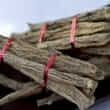
- Ayurveda : Ayurveda is an integrated system of specific theories and techniques employing diet, herbs, exercise, meditation, yoga and massage or bodywork. Clinical evidence suggests that the traditional herbal preparation Kamalahar may reduce clinical signs as well as indicators of liver damage in acute viral hepatitis. Kamalahar contains Tecoma undulate, Phyllanthus urinaria, Embelia ribes, Taraxacum officinale, Nyctanthes arbortistis, and Terminalia arjuna. The root powder from the herb Picrorhiza kurroa has also been shown to improve levels of bilirubin, SGOT (serum glutamic-oxaloacetic transaminase) and serum glutamic pyruvic transaminase (SGPT) in viral hepatitis. Further research is needed before a firm conclusion can be made.
- Ayurvedic herbs should be used cautiously because they are potent and some constituents can be potentially toxic if taken in large amounts or for a long time. Some herbs imported from India have been reported to contain high levels of toxic metals. Ayurvedic herbs can interact with other herbs, foods and drugs. A qualified healthcare professional should be consulted before taking.
- Biotin : Biotin is an essential water-soluble B vitamin. Antioxidant therapy with biotin, vitamins A-E, selenium, zinc, manganese, copper, magnesium, folic acid, and coenzyme Q10 was not shown to improve survival rates for hepatitis. More research with biotin alone is needed. Avoid if hypersensitive to constituents of biotin supplements.
- Bupleurum : For more than 2,000 years bupleurum has been used in Asia to treat hepatitis, cirrhosis and other conditions associated with inflammation. A high-quality clinical trial and several small recent clinical reports suggest that bupleurum and/or an herbal combination formula containing bupleurum may be helpful in the treatment of chronic hepatitis. However, studies to date are small and not all well controlled. Further research is warranted to determine whether bupleurum can effectively treat hepatitis.
- Avoid if allergic or hypersensitive to bupleurum, Apiaceae or Umbelliferae (carrot) families, snakeroot, cow parsnip, or poison hemlock. Use cautiously if operating motor vehicles or hazardous machinery. Use cautiously with low blood pressure, diabetes, or edema. Use cautiously with a history of bleeding, hemostatic disorders, or drug-related hemostatic disorders. Use cautiously if taking blood thinners. Avoid if pregnant or breastfeeding.
- Capers : There is limited evidence of the effect of capers alone on cirrhosis. Additional studies are needed.
- Capers are generally considered to be safe. Avoid with allergy or sensitivity to capers or mustard oil. There are limited reports of side effects with capers. Use cautiously with diabetes or low blood sugar or in those taking drugs, herbs, or supplements that lower blood sugar. Use cautiously with low blood pressure or if taking drugs, herbs, or supplements that lower blood pressure. Use cautiously in patients prone to iron overload. Use cautiously if taking diuretics. Use cautiously if pregnant or breastfeeding.
- Chicory : Chicory (Chichorium intybus) has been suggested as a possible treatment for chronic hepatitis. However, further research is needed before a definitive conclusion can be made.
- Avoid if allergic/hypersensitive to chicory or members of the Asteraceae or Compositae family, including ragweed, chrysanthemums, marigolds, and daisies. Use cautiously if taking drugs or herbs metabolized by cytochrome P450 enzymes. Use cautiously with gallstones. Avoid if pregnant or breastfeeding.
- Chlorophyll : Chlorophyll is a chemoprotein commonly known for its contribution to the green pigmentation in plants, and is related to protoheme, the red pigment of blood. It can be obtained from green leafy vegetables (broccoli, Brussel sprouts, cabbage, lettuce, and spinach), algae (Chlorella and Spirulina), wheat grass, and numerous herbs (alfalfa, damiana, nettle, and parsley). Laboratory evidence suggests chlorophyll may be of use as a chemopreventative agent due to its potential ability to inhibit the tumor-promoting effects of carcinogens. Chlorophyll may act to improve the detoxification of toxins involved in cancer promotion. However, more research is needed in regard to protection from aflatoxins. It may also inhibit the absorption of dietary heterocyclic aromatic amines, which may act as potential carcinogens. The results of one clinical trial suggest that prophylactic interventions with chlorophyllin or diet supplementation with chlorophyll-rich foods may be a practical means to prevent the development of hepatocellular carcinoma or other environmentally-induced cancers. Additional large scale clinical research is needed in this area before a clinical recommendation can be made.
- Avoid if allergic or hypersensitive to chlorophyll or any of its metabolites. Use cautiously with photosensitivity, compromised liver function, diabetes or gastrointestinal conditions or obstructions. Use cautiously if taking immunosuppressant agents or antidiabetic agents. Avoid if pregnant or breastfeeding.
- Choline : Studies have assessed the use of choline for acute viral hepatitis, many of which have been poorly designed. There is currently insufficient evidence available to determine whether choline can effectively treat hepatitis.
- Avoid if allergic/hypersensitive to choline, lecithin, or phosphatidylcholine. Use cautiously with kidney or liver disorders or trimethylaminuria. Use cautiously with a history of depression. If pregnant or breastfeeding it seems generally safe to consume choline within the recommended adequate intake (AI) parameters; supplementation outside of dietary intake is usually not necessary if a healthy diet is consumed.
- Clay : Phyllosilicate clay has been shown to adhere to aflatoxins in laboratory study, and HSACS clay in animal diets may diminish or block exposure to aflatoxins. However, the risks of chronic clay exposure likely do not justify the potential benefit of protection from aflatoxins.
- There is a lack of reports of allergy to clay in the available scientific literature. However, in theory, allergy/hypersensitivity to clay, clay products, or constituents of clay may occur. Avoid if pregnant or breastfeeding.
- Cordyceps : In traditional Chinese medicine, cordyceps has been used to support and improve liver function. In two studies using herbal combinations that included cordyceps, liver and immune function were improved. However, as these studies used combination treatments, the effect of cordyceps alone for treatment of cirrhosis is currently unknown.
- Avoid if allergic or hypersensitive to cordyceps, mold or fungi. Use cautiously with diabetes, bleeding disorders or taking anticoagulant medications, with prostate conditions, if taking immunosuppressive medications, or if on hormonal replacement therapy or oral contraceptives. Avoid with myelogenous type cancers. Avoid if pregnant or breastfeeding.
- Dandelion : Human study reports improved liver function in patients with chronic hepatitis B after taking a combination herbal preparation containing dandelion root, called Jiedu Yanggan Gao (also including Artemisia capillaris, Taraxacum mongolicum, Plantago seed, Cephalanoplos segetum, Hedyotis diffusa, Flos chrysanthemi indici, Smilax glabra, Astragalus membranaceus, Salviae miltiorrhizae, Fructus polygonii orientalis, Radix paeoniae alba, and Polygonatum sibiricum). Because multiple herbs were used the effects of dandelion are unclear.
- Avoid if allergic to chamomile, feverfew, honey, yarrow, or any related plants such as aster, daisies, sunflower, chrysanthemum, mugwort, ragweed, or ragwort. Use cautiously with diabetes or bleeding disorders, gastroesophageal reflux disease (GERD), kidney or liver diseases, or a history of stroke or electrolyte disorders. Potassium blood levels should be monitored. Stop use two weeks before surgery/dental/diagnostic procedures with bleeding risk and do not use immediately after these procedures. Avoid if pregnant or breastfeeding.
- Danshen : Some studies suggest that danshen may provide benefits for treating liver diseases such as cirrhosis, fibrosis and hepatitis B. However, it is unclear whether there are any clinically significant effects of danshen in patients with these conditions.
- Avoid if allergic or hypersensitive to danshen. Use cautiously with altered immune states, arrhythmia, compromised liver function or a history of glaucoma, stroke, or ulcers. Stop use two weeks before surgery/dental/diagnostic procedures with bleeding risk, and do not use immediately after these procedures. Use cautiously if driving or operating heavy machinery. Avoid if taking blood thinners (anticoagulants), digoxin or hypotensives including ACE inhibitors such as captopril, or Sophora subprostrata root or herba serissae. Avoid with bleeding disorders, low blood pressure and following cerebal ischemia. Avoid if pregnant or breastfeeding.
- Eyebright : Limited evidence from animal studies suggests that aucubin, a constituent of eyebright, may inhibit hepatic RNA and protein syntheses in vivo. These properties have been associated with protective effects in carbon tetrachloride and alpha-amanitin-induced hepatotoxicity in mice. Conversion of aucubin to its algycone appears to be a prerequisite step for these hepatic effects to occur. The clinical relevance of these finding to humans is unclear, and there is currently insufficient evidence to determine whether eyebright is an effective agent for hepatoprotection.
- Avoid if allergic to eyebright, any of its constituents, or members of the Scrophulariaceae family. Use cautiously with diabetes and drugs that are broken down by the liver. Avoid if pregnant or breastfeeding.
- Germanium : There is limited evidence for the use of propagermanium (an organogermanium) in the treatment of hepatitis B. Additional research is warranted in this area.
- Avoid if allergic or hypersensitive to germanium, its compounds or germanium-containing plants. Avoid if pregnant or breastfeeding.
- Ginseng : There is currently a lack of sufficient evidence to recommend either American ginseng or Panax ginseng as an agent for hepatoprotection. Laboratory study investigated compound K, a ginseng metabolite that shows promise in protecting against liver injury. Additional human studies are warranted in this area. Early studies show that ginseng may improve some aspects of liver function but not others. More research is needed regarding chronic hepatitis B.
- Avoid with known allergy to plants in the Araliaceae family. There has been a report of a serious life-threatening skin reaction, possibly caused by contaminants in ginseng formulations.
- Gotu kola : Study results of gotu kola (Centella asiatica) for liver disease are mixed. Further research is needed before a recommendation can be made for liver cirrhosis.
- Avoid if allergic to gotu kola, asiaticoside, asiatic acid, or madecassic acid. Avoid with a history of high cholesterol, cancer, or diabetes. Avoid if pregnant or breastfeeding.
- Jiaogulan : Jiaogulan (Gynostemma pentaphyllum) extract may be helpful for those with nonalcoholic fatty liver disease when combined with other treatment. More research is needed.
- Avoid if allergic or hypersensitive to jiaogulan (Gynostemma pentaphyllum), its constituents, or members of the Cucurbitaceae family. Use cautiously with blood disorders or taking anticoagulants or anti-platelet drugs (blood thinners). Use cautiously with diabetes. Avoid if pregnant or breastfeeding.
- Lactobacillus acidophilus : Lactobacilli are bacteria that normally live in the human small intestine and vagina. There is limited study in individuals with hepatic encephalopathy (confused thinking due to liver disorders), and more studies need to be performed in this area.
- Acidophilus may be difficult to tolerate if allergic to dairy products containing L. acidophilus. Avoid with history of an injury or illness of the intestinal wall, immune-disease, or heart valve surgery. Avoid with prescription drugs, like corticosteroids, because of the risk of infection. Use cautiously with heart murmurs. Antibiotics or alcohol may destroy Lactobacillus acidophilus. Therefore, it is recommended that Lactobacillus acidophilus be taken three hours after taking antibiotics or drinking alcohol. Some individuals can use antacids (like famotidine (Pepcid®), esomeprazole (Nexium®)) to decrease the amount of acid in the stomach one hour before taking Lactobacillus acidophilus.
- L-carnitine : Although early evidence suggests that L-carnitine may effectively treat cirrhosis, further research is needed to confirm these results. Preliminary evidence also suggests that L-carnitine may be of benefit to individuals with hepatic encephalopathy, in terms of ammonia levels and psychometric functioning. Additional study is needed.
- Avoid with known allergy or hypersensitivity to carnitine. Use cautiously with peripheral vascular disease, hypertension (high blood pressure), alcohol-induced liver cirrhosis, and diabetes. Use cautiously in low birth weight infants and individuals on hemodialysis. Use cautiously if taking anticoagulants (blood thinners), beta-blockers, or calcium channel blockers. Avoid if pregnant or breastfeeding.
- Licorice : The licorice extracts DGL and carbenoxolone have been proposed as possible therapies for viral hepatitis. Further research is needed before a firm conclusion can be made.
- Avoid with a known allergy to licorice, any component of licorice, or any member of the Fabaceae (Leguminosae) plant family. Avoid with congestive heart failure, coronary heart disease, kidney or liver disease, fluid retention, high blood pressure, hormonal abnormalities or if taking diuretics. Licorice can cause abnormally low testosterone levels in men or high prolactin or estrogen levels in women. This may make it difficult to become pregnant and may cause menstrual abnormalities.
- Liver extract : Liver extract seems to stimulate liver function and may be of benefit in treatment of hepatic disorders such as chronic hepatitis. More research is needed to compare liver extract to other hepatostimulatory treatments.
- Avoid if allergic or hypersensitive to liver extract or its constituents. Use cautiously if taking antacids or with acid reflux. Use cautiously with clotting disorders, compromised immune function, and abnormal iron levels. Use cautiously if taking antihypercholesterolemic drugs (drugs that affect blood cholesterol), antiviral agents, especially interferon, or any agents for cancer. Use cautiously as raw liver may contain liver flukes or the bacterium, Vibrio fetus. Use cautiously in hepatopathic patients with reduced human growth hormone metabolic clearance rate. Avoid liver extract with iron metabolism disorders or iron shortage disorders, such as hemochromatosis. Avoid liver extract from countries where bovine spongiform encephalitis (BSE or "mad cow disease") has been reported. Avoid if sensitive to liver extract or any of its components, as liver extract therapy has caused severe anaphylactic shock. Avoid if pregnant or breastfeeding.
- Milk thistle : Milk thistle (Silybum marianum) has been used medicinally for over 2,000 years, most commonly for the treatment of liver and gallbladder disorders. Several clinical studies suggest possible benefits of milk thistle to treat or prevent drug or toxin induced hepatotoxicity. Results of this research are not clear, and most studies have been poorly designed. More research needs to be performed in this area. Milk thistle has been used traditionally to treat Amanita phalloides mushroom toxicity and poisoning. However, there are not enough reliable studies in humans to support this use of milk thistle. Research on milk thistle for acute viral hepatitis has not provided clear results, and milk thistle cannot be recommended for this potentially life-threatening condition at this time.
- Caution is advised when taking milk thistle supplements, as numerous adverse effects including an increased risk of bleeding and drug interactions are possible. Milk thistle should not be used during pregnancy or breastfeeding unless otherwise directed by a doctor.
- Mistletoe : In preliminary research, some patients achieved complete elimination of the hepatitis virus after treatment with Viscum album, although these studies were not well designed. A small exploratory trial investigated effects of mistletoe on liver function, reduction of viral load and inflammation, and maintaining quality of life by the immunomodulatory and/or cytotoxic actions of mistletoe extracts, but little effect was seen. Larger, well-designed clinical trials are needed to resolve this conflicting data.
- Avoid if allergic to plants in the aster family (Compositea, Asteraceae), daisies, artichoke, common thistle, or kiwi. Use cautiously with diabetes. Avoid if pregnant or breastfeeding.
- Peony : The peony species Paeonia lactiflora Pallas has been used in traditional Chinese medicine (TCM) to treat liver disease. In humans, Paeonia rubra root has been given to patients with liver cirrhosis. Larger controlled trials of higher methodological quality are necessary to substantiate the positive results of this small case series.
- Avoid if allergic or sensitive to peony. Avoid with bleeding disorders or if taking drugs, herbs, or supplements that increase bleeding risk. Use cautiously with estrogen-sensitive cancers or if taking drugs, herbs, or supplements with hormonal activity. Avoid if pregnant or breastfeeding.
- Probiotics : Initial studies of probiotics for minimal hepatic encephalopathy (confused thinking due to liver disorders) are encouraging. Probiotics and probiotics may lead to the improvement of symptoms and may be an alternative to lactulose for the management of this condition in people with cirrhosis. However, more studies are needed to determine the role of probiotics in this condition.
- Probiotics are generally considered safe and well-tolerated. Avoid if allergic or hypersensitive to probiotics. Use cautiously if lactose intolerant.
- PSKÂ : PSK, or protein-bound polysaccharide, is obtained from cultured mycelia of the Coriolus versicolor, a mushroom thought to have antimicrobial, antiviral, and antitumor properties. Studies of PSK as a therapy for liver cancer have yielded mixed results. Well-designed clinical trials are needed to determine the role of PSK on survival time and remission in patients with liver cancer.
- PSK generally seems to have a low incidence of mild and tolerable side effects. In one report, three cases of toxicity were noted, and PSK was discontinued. PSK has been associated with side effects of gastrointestinal upsetand darkening of the fingernails, but these effects have been limited and general safety has been demonstrated with daily oral doses for extended periods. Darkening of the fingernails and coughing have been reported during administration of the powdered form of PSK.
- Reishi mushroom : Based on positive laboratory evidence, a clinical trial using Ganopoly® or placebo was conducted in chronic hepatitis B patients. Ganopoly® treatment decreased levels of hepatitis B virus (HBV) DNA. Further well-designed research is needed before a firm conclusion can be made.
- Avoid if allergic or hypersensitive to any constituents of Ganoderma lucidum or any member of its family. Use cautiously with diabetes, blood disorders (including hemophilia), low blood pressure, or ulcers. Avoid if pregnant or breastfeeding.
- Rhubarb : Two studies have been conducted on rhubarb and its effects on hepatitis. In the case series, high doses of rhubarb decreased the symptoms and serum levels associated with hepatitis. However, additional, high-quality studies are needed to establish rhubarb's effects.
- Avoid if allergic/hypersensitive to rhubarb, its constituents, or related plants from the Polygonaceae family. Avoid using rhubarb for more than two weeks because it may induce tolerance in the colon, melanosis coli, laxative dependence, pathological alterations to the colonic smooth muscles, and substantial loss of electrolytes. Avoid with atony, colitis, Crohn's disease, dehydration with electrolyte depletion, diarrhea, hemorrhoids, insufficient liver function, intestinal obstruction or ileus, irritable bowel syndrome, menstruation, pre-eclampsia, renal disorders, ulcerative colitis, and urinary problems. Avoid handling rhubarb leaves, as they may cause contact dermatitis. Avoid rhubarb in children under age 12 due to water depletion. Use cautiously with bleeding disorders, cardiac conditions, coagulation therapy, constipation, history of kidney stones, or thin or brittle bones. Use cautiously if taking anti-psychotic drugs or oral drugs, herbs or supplements (including calcium, iron, and zinc). Avoid if pregnant or breastfeeding.
- Safflower : EH0202 is a traditional Japanese Kampo therapy containing safflower seed extract and is used for immunostimulation. More studies with safflower alone are needed to better define safflower's effect on chronic hepatitis.
- Avoid if allergic/hypersensitive to safflower, Carthamus tinctorius, safflower oil, daisies, ragweed, chrysanthemums, marigolds, or any related constituents. Use parenteral safflower oil emulsions cautiously in newborns. Use cautiously if taking anticoagulants (blood thinners) or anti-platelet drugs, immunodepressants, or pentobarbital. Use cautiously with diabetes, hypotension, inadequate liver function, hypercoagulability, and skin pigmentation conditions. Use cautiously if pregnant or breastfeeding.
- SAMe : Preliminary evidence from meta-analyses and randomized clinical trials suggests that SAMe may normalize levels of liver enzymes in individuals with liver disease. Well-designed clinical trials, with appropriate subject number in homogenous populations are required before a definitive conclusion can be made.
- Avoid if allergic or hypersensitive to SAMe. Use cautiously with diabetes and anxiety disorders, or women in their third trimester of pregnancy. Avoid with bipolar disorder. Avoid during the first trimester of pregnancy or if breastfeeding.
- Schisandra : The efficacy of schisandra as a hepatoprotective agent has been demonstrated in multiple studies. Based on these observations, schisandra has been suggested as a potential treatment for liver disease. Future studies are warranted to assess the long-term efficacy and safety of schisandra compared to standard therapies.
- Use cautiously during pregnancy or lactation or in patients with bleeding disorders, seizure disorders, high intracranial pressure, high blood pressure, skin diseases, gastoeseophageal reflux or peptic ulcer disease, neurological disorders, or diabetes. Avoid in patients allergic to schisandra, any of its constituents, or other members of the Schisandraceae family. Allergic skin rashes and urticaria has been reported in some patients.
- Sea buckthorn : Sea buckthorn extract may improve liver health in people with cirrhosis. Although the results are intriguing, additional higher quality research is needed in this area.
- Avoid if allergic or hypersensitive to sea buckthorn, its constituents, or members of the Elaeagnaceae family. Use cautiously if taking angiotensin converting enzyme (ACE) inhibitors, anticoagulants and antiplatelet agents (blood thinners), antineoplastics (anticancer agents), or cyclophosphamide or farmorubicin. Avoid higher doses than food amounts if pregnant or breastfeeding.
- Selenium : Selenium supplementation has been studied in various liver disorders, including hepatitis, with mixed results. Further research is needed to establish selenium's effects on liver disease.
- Avoid if allergic or sensitive to products containing selenium. Avoid with history of nonmelanoma skin cancer. Selenium is generally regarded as safe for pregnant or breastfeeding women. However, animal research reports that large doses of selenium may lead to birth defects.
- Taurine : Early studies have found that taurine supplementation has the potential to modify the conjugation of bile acids, potentially modifying the disease. Furthermore, taurine has been examined as an adjunct to ursodeoxycholate (UDCA) in the treatment of liver disease. Results from these early studies suggest that conjugation of bile acids can be modified and that taurine as an adjunct to UDCA does not offer more benefits. More recent studies are investigating the effect of tauroursodeoxycholate (TUDCA) in liver disease treatment. As of yet, however, the evidence in support of taurine in liver disease is minimal and well-designed clinical trials with positive results are needed before a firm conclusion can be made.
- Taurine is an amino acid and it is unlikely that there are allergies related to this constituent. However, allergies may occur from multi-ingredient products that contain taurine. Use cautiously in patients with high cholesterol, low blood pressure, coagulation disorders, potential for mania, or epilepsy. Avoid consuming alcohol or exercising after consumption of energy drinks containing taurine, caffeine, glucuronolactone, B vitamins, and other ingredients. Use cautiously if pregnant or breastfeeding because taurine is a natural component of breast milk.
- Thymus extract : Preliminary evidence suggests that thymus extract may offer benefit to individuals with liver disease. More well-designed clinical trials are required.
- Avoid if allergic or hypersensitive to thymus extracts. Use bovine thymus extract supplements cautiously due to potential for exposure to the virus that causes "mad cow disease." Avoid use with an organ transplant or other forms of allografts or xenografts. Avoid if receiving immunosuppressive therapy, with thymic tumors, myasthenia gravis (neuromuscular disorder), untreated hypothyroidism, or if taking hormonal therapy. Avoid if pregnant or breastfeeding; thymic extract increases human sperm motility and progression.
- Traditional Chinese medicine (TCM)Â : Traditional Chinese medicine (TCM) may provide protection for liver disease. However, more studies are needed before recommendations can be made.
- Chinese herbs can be potent and may interact with other herbs, foods, or drugs. A qualified healthcare professional should be consulted before taking. There have been reports of manufactured or processed Chinese herbal products being tainted with toxins or heavy metal or not containing the listed ingredients. Herbal products should be purchased from reliable sources.
- Turmeric : In traditional Indian Ayurvedic medicine, turmeric has been used to tone the liver. Early research suggests that turmeric may have a protective effect on the liver. More research is needed to better determine the effectiveness of turmeric for hepatoprotection.
- Avoid if allergic or hypersensitive to turmeric, curcumin, yellow food colorings, or plants belonging to the Zingiberaceae (ginger) family. Use cautiously with a history of bleeding disorders, immune system deficiencies, liver disease, diabetes, hypoglycemia, or gallstones. Use cautiously with blood-thinners, such as warfarin (like Coumadin®), and blood sugar-altering medications. Avoid in medicinal amounts if pregnant or breastfeeding. Turmeric should be stopped prior to scheduled surgery.
- Vitamin EÂ : In patients with hepatitis on antiviral therapy, vitamin E has been proposed to prevent inflammation. More studies are needed. There is also preliminary evidence suggesting possible benefits of vitamin E in the management of steatohepatitis in children, although further evidence is necessary before a clear conclusion can be drawn.
- Avoid if allergic or hypersensitive to vitamin E. Avoid with retinitis pigmentosa (loss of peripheral vision). Use cautiously with bleeding disorders or if taking blood thinners. Avoid above the recommended daily level in pregnant and breastfeeding women.
- Zinc : Zinc is necessary for the functioning of over 300 different enzymes and plays a vital role in an enormous number of biological processes. People with alcoholic liver cirrhosis may be deficient in zinc. Preliminary studies suggest that zinc may benefit these patients. Further evidence is needed to confirm these findings. Studies have shown that zinc, in combination with interferon or interferon and ribavirin for chronic hepatitis C viral infection, did not show significant benefits except for lower incidence of gastrointestinal side effects. Further study may be warranted. Early human trials of zinc for hepatic encephalopathy have yielded conflicting results.
- Zinc is generally considered safe when taken at the recommended dosages. Avoid zinc chloride since studies have not been done on its safety or effectiveness. While zinc appears safe during pregnancy in amounts lower than the established upper intake level, caution should be used since studies cannot rule out the possibility of harm to the fetus.
DÂ Fair negative scientific evidence
- Spirulina : Despite findings indicating potential hepatoprotective properties of spirulina, preliminary human study of spirulina for chronic viral hepatitis shows negative results. Additional high quality study is needed to confirm these findings.
- Avoid if allergic or hypersensitive to spirulina or blue-green algae. Use cautiously with phenylketonuria (a genetic disorder of a liver enzyme that disrupts normal body functions), autoimmune diseases, bleeding disorders, diabetes, and osteoporosis. Use cautiously with products containing the blue-green algae species Anabaena spp., Aphanizomenon spp., and Microcystis spp.; in underweight patients or in those taking antiobesity agents or appetite suppressants; and if consuming a high-protein diet. Avoid in children and if pregnant or breastfeeding.
- Urine therapy : There is currently insufficient evidence from clinical studies to support the use of urine or urea in the treatment of liver cancer. Additional studies are needed to make a firm recommendation.
- Use cautiously in children, if taking medications, especially antidepressants, antipsychotics and/or sedative/hypnotic agents, or with gastrointestinal problems. Avoid with urinary tract or kidney infection or if pregnant or breastfeeding. Avoid if allergic or hypersensitive to urine or any of its metabolites.
- Vitamin KÂ : Infection with the hepatitis C virus (HCV) may lead to hepatocellular carcinoma, a form of liver cancer. So far, the results from clinical studies are unclear and do not indicate any beneficial effects of vitamin K in the recurrence of hepatocellular carcinoma.
- Avoid if allergic or hypersensitive to vitamin K. Injection into the muscle or vein should only be done by a healthcare professional; many serious side effects have occurred after injection. Menadiol (a type of vitamin K that is not available in the United States) should be avoided with glucose-6-phosphate dehydrogenase deficiency. Conditions that interfere with absorption of ingested vitamin K may lead to deficiency, including short gut, cystic fibrosis, malabsorption (various causes), pancreas or gall bladder disease, persistent diarrhea, sprue, or ulcerative colitis. Avoid if pregnant. Use cautiously if breastfeeding.
- Copper content in water reduction: If the water contains copper over 0.1ppm (parts per million) (which is 0.1 milligrams/liter), healthcare professionals recommend using alternative sources, such as bottled water. While 0.1ppm is not particularly hazardous, it indicates that significant copper is being consumed in the diet. Those with Wilson's disease should severely limit their intake of copper. Copper can be found in drinking water; healthcare professionals recommend that individuals who need to limit their intake of copper drink filtered, reverse osmosis, water.
- Alcohol and drug avoidance: It is recommended by healthcare professionals to drink alcohol in moderation, if at all. Over many years, more than one drink a day for women and more than two drinks a day for men may be enough to lead to cirrhosis. Use of certain drugs, including some illegal drugs, also can cause liver disease. If fatty liver or hepatitis exists, no alcohol should be consumed. Individuals diagnosed with Wilson's disease should not drink alcohol.
- Only use prescription and nonprescription drugs when needed and take only the recommended doses. Acetaminophen (Tylenol®) dosages should be followed specifically as stated by the manufacturer or by a healthcare provider. The manufacturer has set a maximum dose of 4 grams of acetaminophen (the equivalent of eight extra-strength tablets or capsules, 500 milligrams each) per day. However, healthcare professionals recommend that individuals who take prescription medications or drink alcohol daily should only take a maximum of 2-3 grams per 24 hours. Many over-the-counter (OTC) products may also contain acetaminophen (Tylenol®). It is important not to exceed the total daily dosage of 4 grams acetaminophen. Particular caution is need in dosing infants with acetaminophen to ensure that the correct dose is given.
- Do not mix other drugs with alcohol. Acetaminophen (Tylenol®) can be toxic to the liver even if individuals drink in moderation.
- Hepatitis vaccination: If an individual has Wilson's disease or is at increased risk of contracting hepatitis or if they already been infected with any form of the hepatitis virus, a doctor will recommend the hepatitis B vaccine. A vaccine is also available for hepatitis A.
- Dietary supplements: Beware of certain supplements. Herbal supplements that can be toxic to the liver may include kava (Piper methysticum), chaparral (Larrea taridentata), comfrey (Symphytum officinale), germander (Teucrium chamaedrys), kombucha tea, mistletoe (Viscum album), pennyroyal (Mentha pulegium), and skullcap (Scutellaria laterifolia). Also avoid high doses of fat soluble vitamins, including vitamins A, D, E, and K.
- Chemical toxin avoidance: When using toxic chemicals such as cleaners, ventilating the room or wearing a mask is important. Take similar protective measures when spraying insecticides, fungicides, paint, and other toxic chemicals. When using insecticides and other toxic chemicals, covering the skin with gloves, long sleeves, a hat, and a mask is recommended by healthcare professionals.
- Weight control: Maintaining proper weight through diet and exercise is important. Even if an individual does not drink alcohol, obesity can cause nonalcoholic fatty liver disease, which may include fatty liver, hepatitis, and cirrhosis.
Natural Standard developed the above evidence-based information based on a thorough systematic review of the available scientific articles. For comprehensive information about alternative and complementary therapies on the professional level, go to www.naturalstandard.com. Selected references are listed below.
- Ahmed S, Naeem S, Ahmed I. Wilson's disease with neurological presentation. J Coll Physicians Surg Pak. 2007;17(7):433-4. View Abstract
- American Liver Foundation. . Accessed May 9, 2009.
- American Gastroenterological Association. . Accessed May 9, 2009.
- Centers for Disease Control and Prevention. . Accessed May 9, 2009.
- Ingster-Moati I, Bui Quoc E, Pless M, et al. Ocular motility and Wilson's disease: A study on 34 patients. J Neurol Neurosurg Psychiatry. 2007; [Epub ahead of print]. View Abstract
- Khanna S, Gopalan S. Role of branched-chain amino acids in liver disease: the evidence for and against. Curr Opin Clin Nutr Metab Care. 2007;10(3):297-303. View Abstract
- Muller T, Koppikar S, Taylor RM, et al. Re-evaluation of the penicillamine challenge test in the diagnosis of Wilson's disease in children. J Hepatol. 2007;47(2):270-6. View Abstract
- National Institute of Neurological Disorders and Stroke. . Accessed May 9, 2009.
- Natural Standard: The Authority on Integrative Medicine. . Copyright © 2009. Accessed May 9, 2009.
- Maher JJ. Alcoholic steatohepatitis: management and prognosis. Curr Gastroenterol Rep. 2007;9(1):39-46. View Abstract
- Taly AB, Meenakshi-Sundaram S, Sinha S, et al. Wilson disease: description of 282 patients evaluated over 3 decades. Medicine (Baltimore). 2007;86(2):112-21. View Abstract
- Wilson's Disease Association International. . Accessed May 9, 2009.
Disclaimer: This tool is intended for informational purposes only, and should not be interpreted as specific medical advice. Patients should consult with a qualified healthcare provider before making decisions about therapies and/or health conditions.