
- Alpha-lipoic acid : Many studies have shown that ALA may improve blood sugar levels among patients with type 2 diabetes. Higher-quality studies are needed to provide more definitive answers in the future.
- Avoid if allergic to ALA. Use cautiously with diabetes and thyroid diseases. Avoid with thiamine deficiency or alcoholism. Avoid if pregnant or breastfeeding.
- Arginine (L-arginine)Â : L-arginine helps maintain the body's fluid balance (urea, creatinine), and aids in wound healing, hair growth, sperm production (spermatogenesis), blood vessel relaxation (vasodilation), and fights infection. Intravenous arginine can be used for growth hormone reserve evaluation in people with suspected growth hormone deficiencies. Examples of these deficiencies include panhypopituitarism, growth/stature abnormalities, gigantism/acromegaly, or pituitary adenoma.
- Avoid if allergic to arginine. Avoid with a history of stroke or liver or kidney disease. Avoid if pregnant or breastfeeding. Use cautiously if taking blood-thinners, blood pressure drugs, antidiabetic drugs, or herbs or supplements with similar effects. Blood potassium levels should be monitored. L-arginine may worsen symptoms of sickle cell disease.
- Iodine : Iodine is an element (atomic number 53) that is required by humans for the synthesis of thyroid hormones (triiodothyronine/T3 and thyroxine/T4). Iodine deficiency is one of the causes of goiter (hypertrophy of the thyroid gland as it tries to make more thyroid hormone in the absence of iodine). Physically, goiter appears as an abnormal enlargement of the thyroid gland in the neck. Other causes of goiter include autoimmune thyroiditis, excess iodine, other hormonal disorders, radiation exposure, infectious causes, or inborn errors of metabolism. Although goiter due to low iodine intake is rare in developed countries, it may occur in regions with endemic low iodine levels. To avoid iodine deficiency in the United States, table salt is enriched with iodine ("iodized" salt), and iodine is added to cattle feed and used as a dough conditioner. Iodine supplementation for goiter prevention is generally not recommended in developed countries where sufficient iodine intake is common, and excess iodine can actually cause medical complications (including goiter).
- Iodine supplementation should be considered in cases of known iodine deficiency, and should be administered with medical supervision if possible. Notably, the treatment of goiter usually involves administration of thyroid hormone, most commonly levothyroxine sodium (Synthroid®, Levoxyl®, Levothroid®). Iodine generally does not play a role in the acute management of this condition.
- Reactions can be severe, and deaths have occurred with exposure to iodine. Avoid iodine-based products if allergic or hypersensitive to iodine. Do no use for more than 14 days. Avoid Lugol solution and saturated solution of potassium iodide (SSKI, PIMA) with hyperkalemia (high amounts of potassium in the blood), pulmonary edema (fluid in the lungs), bronchitis, or tuberculosis. Use sodium iodide cautiously with kidney failure. Avoid sodium iodide with gastrointestinal obstruction. Iodine is safe in recommended doses for pregnant or breastfeeding women.
- Vitamin DÂ : Vitamin D is found in numerous dietary sources such as fish, eggs, fortified milk, and cod liver oil. The sun is also a significant contributor to our daily production of vitamin D, and as little as 10 minutes of exposure is thought to be enough to prevent deficiencies. The term "vitamin D" refers to several different forms of this vitamin. Some individuals may develop secondary hyperparathyroidism due to low vitamin D levels. The initial treatment for this type of hyperparathyroidism is vitamin D. For individuals with primary or refractory hyperparathyroidism, surgical removal of the parathyroid glands is commonly recommended by healthcare professionals.
- Hypoparathyroidism (low blood levels of parathyroid hormone) is rare, and is often due to surgical removal of the parathyroid glands. Oral doses of dihydrotachysterol (DHT), calcitriol, or ergocalciferol at high doses can assist in increasing serum calcium concentrations in people with hypocalcemia due to hypoparathyroidism or pseudohypoparathyroidism.
- Avoid if allergic or hypersensitive to vitamin D or any of its components. Vitamin D is generally well-tolerated in recommended doses; doses higher than recommended may cause toxic effects. Use cautiously with hyperparathyroidism (overactive thyroid), kidney disease, sarcoidosis, tuberculosis, and histoplasmosis. Vitamin D is safe in pregnant and breastfeeding women when taken in recommended doses.
- Beta-glucan : Beta-glucan is a soluble fiber derived from the cell walls of algae, bacteria, fungi, yeast, and plants. It is commonly used for its cholesterol-lowering effects. There are several human trials supporting the use of beta-glucan for glycemic (blood sugar) control in patients with diabetes. Although early evidence is promising, additional study is needed before a firm recommendation can be made.
- Avoid if allergic or hypersensitive to beta-glucan. When taken by mouth, beta-glucan is generally considered safe. Use cautiously with AIDS or AIDS-related complex (ARC). Avoid using particulate beta-glucan. Avoid if pregnant or breastfeeding.
- Calcium : There is a link between lower dietary intake of calcium and symptoms of premenstrual syndrome (PMS). Calcium supplementation has been suggested in various clinical trials to decrease overall symptoms associated with PMS, such as depressed mood, water retention, and pain.
- Avoid if allergic or hypersensitive to calcium or lactose. High doses taken by mouth may cause kidney stones. Avoid with high levels of calcium in the blood, high levels of calcium in urine, hyperparathyroidism (overgrowth of the parathyroid glands), bone tumors, digitalis toxicity, ventricular fibrillation (rapid, irregular twitching of heart muscle), kidney stones, kidney disease, or sarcoidosis (inflammatory disease). Calcium supplements made from dolomite, oyster shells, or bone meal may contain unacceptable levels of lead. Use cautiously with achlorhydria or irregular heartbeat. Calcium appears to be safe in pregnant or breastfeeding women. Talk to a healthcare provider to determine appropriate dosing during pregnancy and breastfeeding.
- Chasteberry : Chasteberry may inhibit prolactin secretion, and thus has been suggested as a potential therapy in hyperprolactinemia, a condition characterized by elevated serum prolactin levels. Although preliminary evidence is promising, additional study is warranted in this area.
- Avoid if allergic or hypersensitive to members of the Vitex (Verbenaceae) family or any chasteberry components. When taken in recommended doses, chasteberry appears to be well tolerated with few side effects. Use cautiously in patients taking oral contraceptives or hormone replacement therapy Use cautiously with dopamine agonists or antagonists. Avoid with hormone sensitive cancers or conditions (like ovarian cancer or breast cancer). Avoid if pregnant, breastfeeding or if undergoing in vitro fertilization.
- Chromium : Chromium has been studied in the treatment of hypoglycemia (low blood sugar). More research is needed in this area.
- Avoid if allergic to chromium, chromate, or leather. Use cautiously with diabetes, liver problems, weakened immune systems (such as HIV/AIDS patients or organ transplant recipients), depression, Parkinson's disease, heart disease, and stroke and in patients who are taking medications for these conditions. Use cautiously if driving or operating machinery. Use cautiously if pregnant or breastfeeding.
- DHEAÂ : Several studies suggest that DHEA may improve well-being, quality of life, exercise capacity, sex drive, and hormone levels in people with Addison's disease. Though promising, additional study is needed to confirm the effects of DHEA on adrenal insufficiency. Adrenal insufficiency is a serious medical condition and should be treated under the supervision of a qualified health care professional, including a pharmacist.
- Avoid if allergic to DHEA. Avoid with a history of seizures. Use cautiously with adrenal or thyroid disorders. Use cautiously if taking anticoagulants (blood thinners) or drugs, herbs, or supplements for diabetes, heart disease, seizures, or stroke. Stop use two weeks before and immediately after surgery/dental/diagnostic procedures with bleeding risk. Avoid if pregnant or breastfeeding.
- Ginseng : Several studies report a blood sugar-lowering effect of American ginseng (Panax quinquefolium) in individuals with type 2 diabetes and hyperglycemia. Future research is needed to evaluate long-term efficacy of American ginseng compared to standard oral hypoglycemic drugs.
- Ginseng may increase the effects of blood sugar lowering medications, including insulin. Avoid ginseng with a known allergy to plants in the Araliaceae family. There has been a report of a serious life-threatening skin reaction, possibly caused by contaminants in ginseng formulations.
- Gymnema : Preliminary human research reports that gymnema (Gymnema sylvestre) may be beneficial in patients with type 1 diabetes mellitus or type 2 diabetes mellitus. Further studies of dosing, safety, and effectiveness are needed before a strong recommendation can be made.
- Gymnema may increase the effects of blood sugar lowering medications, including insulin. Gymnema may alter the ability to detect sweet tastes. Avoid if allergic or sensitive to plants in the Asclepiadaceae (milkweed) family. Use cautiously with prescription drugs that may lower blood sugar levels. Dosing adjustments may be necessary.
- Iodine : Graves disease is an immune-mediated disorder that causes hyperthyroidism. Thyroid-stimulating immunoglobulins bind to the thyroid stimulating hormone (TSH) receptor, mimic the action of thyroid TSH, and stimulate thyroid growth and thyroid hormone overproduction. Standard treatments for Graves' disease target the thyroid gland (rather than the source of the disorder) and include antithyroid drugs such as propylthiouracil or methimazole, radioactive iodine to ablate (destroy) thyroid cells, or surgery to remove thyroid tissue. Beta-blocker drugs may be used to control symptoms. Iodide preparations can be used to suppress thyroid hormone release from the thyroid, such as strong iodine solution (Lugol solution), potassium iodide (SSKI), and iodinated radiographic contrast agents (sodium ipodate). Patients undergoing thyroid surgery are commonly treated preoperatively with antithyroid drugs to achieve a euthyroid state, then SSKI.
- Hyperthyroid crisis (thyroid storm) is a medical emergency caused by excessive release of thyroid hormones into the circulation. Initial management of this condition involves inhibition of thyroid function with thioamide drugs such as propylthiouracil or methimazole. Iodides (such as potassium iodide) can then be administered to block the release of thyroid hormone, but should only be given an hour after thioamides to assure that the iodide is not used by the thyroid to make more thyroid hormone and worsen symptoms. Caution is warranted because iodide preparations carry a risk of causing serum sickness. Iodides should not be used for long-term treatment of thyrotoxicosis.
- Reactions can be severe, and deaths have occurred with exposure to iodine. Avoid iodine-based products if allergic or hypersensitive to iodine. Do no use for more than 14 days. Avoid Lugol solution and saturated solution of potassium iodide (SSKI, PIMA) with hyperkalemia (high amounts of potassium in the blood), pulmonary edema (fluid in the lungs), bronchitis, or tuberculosis. Use sodium iodide cautiously with kidney failure. Avoid sodium iodide with gastrointestinal obstruction. Iodine is safe in recommended doses for pregnant or breastfeeding women.
- Probiotics : Probiotics are beneficial bacteria that are sometimes called friendly germs. They help maintain a healthy intestine and aid in digestion. They also help keep harmful bacteria and yeasts in the gut under control. Most probiotics come from food sources, especially cultured milk products. Probiotics can be taken as capsules, tablets, beverages, powders, yogurts, and other foods. There is evidence that young children (ages 6-36 months) who receive infant formula with Bifidobacteria Bb12 supplementation may achieve faster growth than without supplementation.
- Probiotics are generally considered safe and well-tolerated. Avoid if allergic or hypersensitive to probiotics. Use cautiously if lactose intolerant. Caution is advised when using probiotics in neonates born prematurely or with immune deficiency.
- Rose hip : Rose hips are the fruits that develop from the blossoms of the wild rose (Rosa spp.). They are typically orange to red in color, but some species may be purple or black. Estimates of the number of women who experience menstrual cramps with dysmenorrhea range from 50-93%. In 10-26% of women, this pain may be severe. Herbalists have recommended aromatherapy, the therapeutic use of essential oils from plants, as a treatment for menstrual cramps. The oils are absorbed into the body via the olfactory system and the skin. Lavender, clary sage, and rose are three of the oils traditionally used to treat dysmenorrhea.
- Avoid in individuals with a known allergy/hypersensitivity to Rosa spp., rose hip dust, its constituents, or members of the Rosaceae family.
- Sage : Sage (Salvia officinalis) may contain compounds with mild estrogenic activity. In theory, estrogenic compounds may decrease menopausal symptoms. Sage has been tested against menopausal symptoms with promising results.
- Avoid if allergic or hypersensitive to sage species, their constituents, or to members of the Lamiaceae family. Use cautiously with hypertension (high blood pressure). Use the essential oil or tinctures cautiously in patients with epilepsy. Avoid with previous anaphylactic reactions to sage species, their constituents, or to members of the Lamiaceae family. Avoid if pregnant or breastfeeding.
- Soy : Soy (Glycine max) products containing isoflavones have been studied for the reduction of menopausal symptoms such as hot flashes. The scientific evidence is mixed in this area, with several human trials suggesting reduced number of hot flashes and other menopausal symptoms, but more recent research reporting no benefits. Overall, the scientific evidence does suggest benefits, although better quality studies are needed in this area in order to make a conclusion.
- Avoid if allergic to soy. Breathing problems and rash may occur in sensitive people. Soy, as a part of the regular diet, is traditionally considered to be safe during pregnancy and breastfeeding, but there is limited scientific data. The effects of high doses of soy or soy isoflavones in humans are not clear, and therefore are not recommended. People who experience intestinal irritation (colitis) from cow's milk may experience intestinal damage or diarrhea from soy. It is not known if soy or soy isoflavones share the same side effects as estrogens, like increased risk of blood clots. The use of soy is often discouraged in patients with hormone-sensitive cancers, such as breast, ovarian, or uterine cancer. Other hormone-sensitive conditions such as endometriosis may also be worsened. Patients taking blood-thinning drugs like warfarin should check with a doctor and pharmacist before taking soy supplementation.
- Stevia : Stevia (Stevia rebaudiana) has been widely used for diabetes in South America and animal studies have had promising results. Studies report decreases in plasma glucose when stevia was taken in normal volunteers, but conclusive evidence of effectiveness when used for diabetes or hyperglycemia is currently lacking. Additional study is needed in this area.
- Stevia may increase the effects of blood sugar-lowering medications, including insulin. Avoid if allergic or hypersensitive to the daisy family (Asteraceae/Compositae) including plants like ragweed, chrysanthemums, marigolds, and many other herbs. Use cautiously with hypotension (high blood pressure), hypocalcemia (calcium deficiency), and hypoglycemia (low blood sugar). Avoid with impaired kidney function or other kidney diseases. Avoid if pregnant or breastfeeding.
- Acupressure, Shiatsu : Based on initial research, acupressure may reduce symptoms of dysmenorrhea, pain medication use, and anxiety associated with menstruation. Further research is needed before a conclusion can be made.
- With proper training, acupressure appears to be safe if self-administered or administered by an experienced therapist. No serious long-term complications have been reported, according to scientific data. Hand nerve injury and herpes zoster ("shingles") cases have been reported after shiatsu massage. Forceful acupressure may cause bruising.
- Acupuncture : Although some studies report beneficial results, currently there is not adequate available evidence to recommend for or against the use of acupuncture in the treatment of symptoms of menopause such as hot flashes or in the treatment of dysmenorrhea. High quality clinical research is needed to make a conclusion.
- Although preliminary results are promising, there is a lack of well-designed studies to determine the effect of acupuncture on diabetes.
- Needles must be sterile in order to avoid disease transmission. Avoid with valvular heart disease, infections, bleeding disorders, medical conditions of unknown origin, or neurological disorders. Avoid if taking drugs that increase the risk of bleeding (e.g. anticoagulants). Avoid on areas that have received radiation therapy and during pregnancy. Use cautiously with pulmonary disease (e.g. asthma or emphysema). Use cautiously in elderly or medically compromised patients, diabetics, or with history of seizures. Avoid electroacupuncture with arrhythmia (irregular heartbeat) or in patients with pacemakers because therapy may interfere with the device.
- Alfalfa : A small number of animal studies report reductions in blood sugar levels following ingestion of alfalfa (Medicago sativa). Human data are limited, and it remains unclear if alfalfa can aid in the control of sugar in patients with diabetes or hyperglycemia.
- Avoid if allergic to alfalfa, clover, or grass. Avoid with a history of lupus. Avoid before any surgery/dental/diagnostic procedures that may have a risk of bleeding, and avoid use immediately after these procedures. Use cautiously with stroke, hormone conditions (breast tenderness, breast cancer, ovarian cancer, menstrual problems), diabetes, hypoglycemia, thyroid disease, gout, blood clots, seizures, liver disease, or kidney disease. Use cautiously with blood sugar-altering medications, aspirin or any aspirin products, ibuprofen, and blood-thinners (like warfarin). Use cautiously if operating heavy machinery or driving. Alfalfa may be contaminated with dangerous bacteria (like E. coli, Salmonella, Listeria). Avoid if pregnant or breastfeeding.
- Amylase inhibitors : Amylase inhibitors have been shown to decrease levels of blood glucose. Large, well-designed studies are needed before a firm recommendation can be made for patients with diabetes.
- Amylase inhibitors are generally considered safe. Avoid if allergic or sensitive to amylase inhibitors, wheat, or legumes. Use cautiously with diabetes or hypoglycemia or if taking agents that lower blood sugar. Use cautiously with digestive, kidney, or liver problems. Use cautiously if pregnant or breastfeeding.
- Arabinogalactan : Arabinogalactan's effects on blood sugar and insulin levels have been studied. In people without diabetes, it has not been shown to affect these levels. Additional research is needed for patients with hyperglycemia.
- Avoid if allergic or sensitive to arabinogalactan or larch. People who are exposed to arabinogalactan or larch dust may have irritation of the eyes, lungs, or skin. Use cautiously in people with diabetes, digestive problems, or immune system disorders, and in people who consume a diet that is high in fiber or low in galactose. Arabinogalactan should not be used during pregnancy or breastfeeding.
- Arabinoxylan : Altering the outer shell of rice bran using enzymes from Hyphomycetes mycelia mushroom extract produces the compound arabinoxylan. The product called MGN-3 (or BioBran® in Japan) is a complex containing arabinoxylan as a major component. Although preliminary research is positive, there is currently a lack of scientific evidence investigating the role of arabinoxylan in patients with type 2 diabetes. More study is needed.
- Use cautiously if elderly or with kidney dysfunction. Use cautiously with diabetes. Avoid if pregnant or breastfeeding. Users of MGN-3 should be aware of other constituents (cornstarch, dextrin, tricalcium phosphate, silicon dioxide). Patients with allergies to other constituents should not take MGN-3.
- Arginine : Arginine, or L-arginine, is considered a semi-essential amino acid because although it is normally synthesized in sufficient amounts by the body, supplementation is sometimes required. Early studies in humans suggest that arginine supplements may decrease the severity of type 1 or type 2 diabetes. Large, well-designed studies are needed to understand this relationship.
- Avoid if allergic to arginine, with a history of stroke, or liver or kidney disease. Avoid if pregnant or breastfeeding. Use caution if taking blood-thinning drugs (like warfarin or Coumadin®) and blood pressure drugs or herbs or supplements with similar effects. Blood potassium levels should be monitored. L-arginine may worsen symptoms of sickle cell disease. Caution is advised in patients taking prescription drugs to control blood sugar levels.
- Aromatherapy : Abdominal aromatherapy massage with a combination of essential oils may reduce the intensity of menstrual cramps in women with dysmenorrhea. More research is needed in this area to identify the most effective essential oils.
- Avoid with history of allergic dermatitis. Use cautiously if driving/operating heavy machinery. Avoid consuming essential oils. Avoid direct contact of undiluted oils with mucous membranes. Use cautiously if pregnant.
- Ashwagandha : Based on early study, ashwagandha (Withania somnifera) may decrease blood sugar levels in patients with type 2 diabetes. Additional evidence is required.
- Avoid if allergic or hypersensitive to ashwagandha products or any of their ingredients. Dermatitis has been reported. There are few reports of adverse effects associated with ashwagandha, but there are few human trials using ashwagandha, and most do not report the doses or standardization/preparation used. Avoid with peptic ulcer disease. Ashwagandha may cause abortion based on anecdotal reports. Avoid if pregnant or breastfeeding.
- Astragalus : Although there is experimental evidence that astragalus (Astragalus membranaceus) alone, and in combination with hypoglycemic medication, has significant hypoglycemic properties, available clinical studies have been poorly designed and results inadequately presented. The clinical data suggest that astragalus-containing herbal remedies plus conventional therapy (oral hypoglycemics) in the treatment of non-insulin dependent diabetes mellitus (NIDDM) are more effective than conventional oral hypoglycemics alone. More research is required in this area.
- Avoid if allergic to astragalus, peas, or any related plants or with a history of Quillaja bark-induced asthma. Avoid with aspirin or aspirin products or herbs or supplements with similar effects. Avoid with inflammation (swelling) or fever, stroke, transplants, or autoimmune diseases (like HIV/AIDS). Stop use two weeks before surgery/dental/diagnostic procedures with a risk of bleeding and avoid use immediately after these procedures. Use cautiously with bleeding disorders, diabetes, high blood pressure, lipid disorders or kidney disorders. Use cautiously with blood-thinners, blood sugar drugs, or diuretics or herbs and supplements with similar effects. Avoid if pregnant or breastfeeding.
- Atkin's diet : The Atkins diet proposes that, in order to lose weight, one should adopt an eating style that radically departs from the U.S. Food and Drug Administration's (FDA) food pyramid. It proposes the elimination of most carbohydrates as a source of energy; in the place of carbohydrates, the diet advocates the significantly increased consumption of fats, including trans fats and hydrogenated oils. Carbohydrate-restricted diets have been shown to have positive effects on serum insulin in both diabetics and non-diabetics and insulin requirements in diabetics. Preliminary evidence suggests that following the Atkins Diet® may result in improvements in metabolic parameters in patients with diabetes. Furthermore, a decrease in HbA1c and medication requirements were noted in type 2 diabetics. Long term safety studies are still required in this field, as well as additional well-designed clinical trials.
- Avoid with severe kidney disease, renal disorders. Avoid if using growth hormone. Use cautiously with mood disorders, such as depression, schizophrenia, or bipolar disorder, as well as individuals using medications for these purposes. Use cautiously in athletes due to potential for muscle cramps, negative feelings towards exercise, fatigue, and hypoglycemia. Use cautiously with osteoporosis, gout, diabetes, menstrual disorders, gastrointestinal disorders, celiac disease, skin conditions, epilepsy, and cardiovascular disease. Use cautiously in malnourished individuals, vegetarians, or individuals with absorption concerns. Use cautiously if taking diuretics, medications that alter cholesterol, medications that alter blood sugar, medications for seizures, steroids, or NSAIDS. Use cautiously in anemic individuals, individuals with thyroid concerns, and in individuals with previous history of stroke or heart attack. Avoid if pregnant or breastfeeding.
- Ayurveda : Several studies have been conducted with various Ayurvedic treatments for diabetes, with mixed or modest results. The traditional antidiabetic remedy Coccinia indica may help improve glucose tolerance in adult-onset diabetes. An herbal tea containing Salacia reticulata (Kothala Himbutu tea) may improve glycemic control and reduce the need for Glibenclamide treatment in patients with type II diabetes mellitus. Drinking an aqueous suspension of the vegetable pulp from the herb Momordica charantia, a bitter vegetable popularly known as Karolla, may reduce serum glucose levels in people with moderate non-insulin dependent diabetes. A traditional Ayurvedic formula called Pancreas Tonic, taken in a powder capsule form, may bring intermediate term glucose control in type II diabetic patients with elevated HbA(1c) levels. The Ayurvedic herb Vijayasar (Pterocarpus marsupium), also called Bijaka, Pitasara, or Pitashalaka, may help modulate blood glucose levels in newly diagnosed or untreated non-insulin dependent diabetes mellitus. In all the above remedies, better-designed trials are needed to more clearly determine safety and effectiveness.
- Ayurvedic herbs should be used cautiously because they are potent and some constituents can be potentially toxic if taken in large amounts or for a long time. Some herbs imported from India have been reported to contain high levels of toxic metals. Ayurvedic herbs can interact with other herbs, foods and drugs. A qualified healthcare professional should be consulted before taking. Avoid Ayurveda with traumatic injuries, acute pain, advanced disease stages and medical conditions that require surgery.
- Banaba : Banaba (Lagerstroemia speciosa) is a medicinal plant that grows in India, Southeast Asia, and the Philippines. Preliminary research investigating the effects of banaba on diabetes reports promising results. However, additional research is necessary before a firm conclusion can be made.
- Banaba is generally considered to be safe when taken orally for 15 days for the treatment of type 2 diabetes. Caution should be exercised in patients with known allergy/hypersensitivity to banaba, its constituents or any members of the Lythraceae family. Use cautiously in patients with diabetes since banaba may lower blood sugar. Avoid if pregnant or breastfeeding.
- Barley : Barley (Hordeum vulgare) is a cereal used as a staple food in many countries. It is commonly used as an ingredient in baked products and soup in Europe and the United States. Barley malt is used to make beer and as a natural sweetener called malt sugar or barley jelly sugar. Preliminary evidence suggests that barley meal may improve glucose tolerance and hyperglycemia. This is believed to be due to fermentation of undigested carbohydrates in barley, which decreases hepatic glucose production by up to 30%. Barley products have been shown to have lower glycemic index compared to wheat or rice. Better research is necessary before a firm conclusion can be drawn.
- Avoid if allergic or hypersensitive to barley flour or beer. Barley appears to be well tolerated in non-allergic, healthy adults in recommended doses for short periods of time, as a cereal or in the form of beer. Use cautiously with diabetes, asthma or arrhythmia (irregular heartbeat). Contamination of barley with fungus has occurred. Traditionally, women have been advised against eating large amounts of barley sprouts during pregnancy. Infants fed with a formula containing barley water, whole milk, and corn syrup have developed malnutrition and anemia, possibly due to vitamin deficiencies.
- Beet : Limited available study has evaluated the effect of beets on secretion of gastric hormones in patients with type 2 diabetes following meals. Additional research is needed.
- Use cautiously in patients with a known allergy or hypersensitivity to any part of the beet plant, including the beetroot, beet leaves, beet sugar, or beet fiber, or any other members of the Chenopodiaceae family. Avoid feeding beets and other high-nitrate vegetables to infants under three months of age, as advised by the American Academy of Pediatrics, due to high nitrate content and the risk of nitrate poisoning.
- Belladonna : Bellergal® (a combination of phenobarbital, ergot, and belladonna) has been used to treat premenstrual syndrome (PMS) symptoms as well as menopausal symptoms like hot flashes. However, in human studies belladonna supplements have not shown effectiveness. More studies are needed.
- Avoid if allergic to belladonna or plants of the Solanaceae (nightshade) family (bell peppers, potatoes, eggplants). Avoid with history of heart disease, high blood pressure, heart attack, abnormal heartbeat (arrhythmia), congestive heart failure, stomach ulcer, constipation, stomach acid reflux (serious heartburn), hiatal hernia, gastrointestinal disease, ileostomy, colostomy, fever, bowel obstruction, benign prostatic hypertrophy, urinary retention, glaucoma (narrow angle), psychotic illness, Sjögren's syndrome, dry mouth (xerostomia or salivary gland disorders), neuromuscular disorders such as myasthenia gravis, or Down's syndrome. Avoid if pregnant or breastfeeding.
- Berberine : Berberine is a bitter-tasting, yellow, plant alkaloid with a long history of medicinal use in Chinese and Ayurvedic medicine. Berberine is present in the roots, rhizomes, and stem bark of various plants including goldenseal (Hydrastis canadensis). Historically, berberine has been suggested to aid in glycemic regulation. However, the safety and effectiveness of berberine for type 2 diabetes remains unclear. More research is needed in this area.
- Avoid if allergic or hypersensitive to berberine, to plants that contain berberine (Hydrastis canadensis (goldenseal), Coptis chinensis (coptis or goldenthread), Berberis aquifolium (Oregon grape), Berberis vulgaris (barberry), and Berberis aristata (tree turmeric)), or to members of the Berberidaceae family. Avoid in newborns due to potential for increase in free bilirubin, jaundice, and development of kernicterus. Use cautiously with cardiovascular disease, gastrointestinal disorders, hematologic disorders, leucopenia, kidney disease, liver disease, respiratory disorders, cancer, hypertyraminemia, diabetes, or hypotension. Use cautiously in children due to lack of safety information. Use cautiously in individuals with high exposure to sunlight or artificial light. Use cautiously for longer than eight weeks due to theoretical changes in bacterial gut flora. Use cautiously if taking anticoagulants, antihypertensives, sedatives, anti-inflammatories, medications metabolized by CYP P450 3A4 including cyclosporin, or any prescription medications. Avoid if pregnant or breastfeeding.
- Bilberry : Bilberry (Vaccinium myrtillus), a close relative of blueberry, has a long history of medicinal use. Bilberry has been used traditionally in the treatment of diabetes mellitus, and animal research suggests that bilberry leaf extract may lower blood sugar levels. Human research is needed in this area.
- Preliminary evidence suggests that bilberry may be helpful for the relief of dysmenorrhea, although more research is necessary before a firm conclusion can be drawn.
- Avoid if allergic to plants in the Ericaceae family or to anthocyanosides (a component of bilberry). Avoid with a history of low blood pressure, heart disease, bleeding, diabetes, blood clots, or stroke. Avoid if pregnant or breastfeeding. Stop use before surgeries or dental or diagnostic procedures involving blood tests.
- Biotin : Biotin is an essential water-soluble B vitamin. In preliminary research, biotin has been reported to decrease insulin resistance and improve glucose tolerance, properties that may be beneficial in patients with diabetes mellitus. However, there is not sufficient human evidence to form a clear conclusion in this area.
- Avoid if hypersensitive to constituents of biotin supplements.
- Bitter melon : Bitter melon (Momordica charantia) has traditionally been used as a remedy for lowering blood glucose in patients with diabetes mellitus. Preliminary study has indicated that bitter melon may decrease serum glucose levels. However, because safety and efficacy have not been established, bitter melon should be avoided by diabetics except under the strict supervision of a qualified healthcare professional, including a pharmacist, with careful monitoring of serum blood sugars.
- Bitter melon may increase the effects of blood sugar lowering medications, including insulin. Avoid if allergic or hypersensitive to bitter melon or members of the Curcurbitaceae (gourd or melon) family, including Persian melon, honeydew, casaba, muskmelon, and cantaloupe. Avoid ingestion of bitter melon seeds or outer rind, due to toxic lectins. Avoid if pregnant or breastfeeding.
- Black cohosh : Black cohosh (Actaea racemosa, formerly known as Cimicifuga racemosa) is popular as an alternative to hormonal therapy in the treatment of menopausal symptoms such as hot flashes, mood disturbances, diaphoresis, palpitations, and vaginal dryness. Several studies have reported black cohosh to improve symptoms for up to six months, although the current evidence is mixed. The mechanism of action of black cohosh remains unclear and the effects on estrogen receptors or hormonal levels (if any) are not definitively known. Recent publications suggest that there may be no direct effects on estrogen receptors, although this is an area of active controversy. Safety and efficacy beyond six months have not been proven, although recent reports suggest safety of short-term use, including in women experiencing menopausal symptoms for whom estrogen replacement therapy is contraindicated. Nonetheless, caution is advisable until better-quality safety data are available.
- Use of black cohosh in high-risk populations (such as in women with a history of breast cancer) should be under the supervision of a licensed healthcare professional. Use cautiously if allergic to members of the Ranunculaceae family such as buttercups or crowfoot. Avoid if allergic to aspirin products, non-steriodal anti-inflammatories (NSAIDs, Motrin®, ibuprofen, etc.), blood-thinners (like warfarin) or if history of blood clots, stroke, seizures, or liver disease. Stop use before surgery/dental/diagnostic procedures with bleeding risk and avoid immediately after these procedures. Avoid if pregnant or breastfeeding.
- Black tea : Black tea is made from the dried leaves of Camellia sinensis, a perennial evergreen shrub. Black tea may lower blood sugar levels. In early study, a combination of black tea and green tea extract did not lower blood sugar levels in patients with type 2 diabetes. However, black tea alone did lower blood sugar and increased insulin levels in healthy patients. Additional research with black tea alone in diabetic patients is needed.
- Avoid if allergic or hypersensitive to caffeine or tannins. Skin rash and hives have been reported after caffeine ingestion. Use cautiously with diabetes. Use cautiously if pregnant. Heavy caffeine intake during pregnancy may increase the risk of SIDS (sudden infant death syndrome). Very high doses of caffeine have been linked with birth defects. Caffeine is transferred into breast milk. If breastfeeding mothers consume black tea, it may lead to anemia, decreased iron metabolism, and irritability in their infants.
- Burdock : Animal research and initial human studies suggest possible blood sugar-lowering effects of burdock (Arctium lappa) root or fruit. However, the available human research has not been well designed, and further study in patients with diabetes is needed.
- Avoid with known allergy to burdock, its constituents, or members of the Asteraceae/Compositae family, including ragweed, chrysanthemums, marigolds, and daisies. Use cautiously with allergies or intolerance to pectin, diabetes, glucose intolerance, electrolyte imbalances, or dehydration. Use cautiously if taking antidiabetic agents, diuretics, or blood thinners. Avoid if pregnant or breastfeeding.
- Calcium : In patients on hemodialysis, calcium supplementation may reduce secondary hyperparathyroidism (high blood levels of parathyroid hormone due to another medical condition or treatment). Treatment of hyperparathyroidism should only be done under the supervision of a qualified healthcare professional.
- Growth of very low birth weight infants correlates with calcium intake and retention in the body. It is possible that human milk fortifiers commonly used may not have enough levels of calcium for infants of very low birth weight. Bone mineralization is also lower in very low birth weight infants at theoretical term than infants born at term. Use of a formula containing higher levels of calcium has been suggested for improvement of mineral metabolism in very low birth weight infants.
- Avoid if allergic or hypersensitive to calcium or lactose. High doses taken by mouth may cause kidney stones. Avoid with hypercalcemia (high levels of calcium in the blood), hypercalciuria (high levels of calcium in urine), hyperparathyroidism (high levels of parathyroid hormone), bone tumors, digitalis toxicity, ventricular fibrillation (ventricles of the heart contract in unsynchronized rhythm), kidney stones, kidney disease, or sarcoidosis (inflammation of lymph nodes and various other tissues). Calcium supplements made from dolomite, oyster shells, or bone meal may contain unacceptable levels of lead. Use cautiously with achlorhydria (absence of hydrochloric acid in gastric juices) or arrhythmia (irregular heartbeat). Calcium appears to be safe in pregnant or breastfeeding women.
- Chasteberry : It remains unclear if chasteberry is an effective therapy in the management of irregular menstrual cycles. The use of chasteberry for corpus luteum deficiency also remains controversial. Additionally, most studies evaluating chasteberry for premenstrual syndrome (PMS) have been of poor study design, although one recent trial demonstrating benefit is of high quality. Further evidence is necessary before a firm conclusion can be drawn.
- Avoid if allergic or hypersensitive to members of the Vitex (Verbenaceae) family or any chasteberry components. When taken in recommended doses, chasteberry appears to be well tolerated with few side effects. Use cautiously in patients taking oral contraceptives or hormone replacement therapy Use cautiously with dopamine agonists or antagonists. Avoid with hormone sensitive cancers or conditions (like ovarian cancer or breast cancer). Avoid if pregnant, breastfeeding or if undergoing in vitro fertilization.
- Chiropractic : There is currently not enough reliable scientific evidence to conclude the effects of chiropractic techniques in the management of dysmenorrheal or premenstrual syndrome.
- Use extra caution during cervical adjustments. Use cautiously with acute arthritis, conditions that cause decreased bone mineralization, brittle bone disease, bone softening conditions, bleeding disorders, and migraines. Use cautiously with the risk of tumors or cancers. Avoid with symptoms of vertebrobasilar vascular insufficiency, aneurysms, unstable spondylolisthesis, or arthritis. Avoid if taking drugs that increase the risk of bleeding. Avoid in areas of para-spinal tissue after surgery. Avoid if pregnant or breastfeeding due to a lack of scientific data.
- Chromium : Chromium has been studied for sugar abnormalities in patients with types 1 and 2 diabetes mellitus, as well as at-risk populations. Some studies suggest that taking chromium by mouth may lower blood sugar levels, whereas other studies show no effects. Better studies are needed to provide more definitive answers.
- Avoid if allergic to chromium, chromate, or leather. Use cautiously with diabetes, liver problems, weakened immune systems (such as HIV/AIDS patients or organ transplant recipients), depression, Parkinson's disease, heart disease, and stroke and in patients who are taking medications for these conditions. Use cautiously if driving or operating machinery. Use cautiously if pregnant or breastfeeding.
- Chrysanthemum : Based on early study, the chrysanthemum product jiangtangkang may be beneficial for patients with non-insulin dependent diabetes. However, results are mixed and additional studies are needed before a firm recommendation can be made.
- Avoid if allergic or hypersensitive to chrysanthemum, its constituents, or members of the Asteraceae/Compositae family, such as dandelion, goldenrod, ragweed, sunflower, and daisies. Use cautiously if taking medication for gout, cancer, or HIV. Use cautiously with compromised immune systems or if taking immunomodulators. Avoid with photosensitivity or if taking photosensitizers. Avoid large acute or chronic doses of ingested pyrethrin. Avoid pyrethrin with compromised liver function, epilepsy, or asthma. Avoid ocular exposure to pyrethrin. Avoid if pregnant or breastfeeding.
- Cinnamon : Several human studies support the use of cinnamon (Cinnamomum spp.) in type 2 diabetes. More research on the proposed health benefits of cinnamon supplementation is warranted.
- Avoid if allergic or hypersensitive to cinnamon, its constituents, members of the Lauraceae family, or Balsam of Peru. Use cautiously if prone to atopic reactions or if taking cytochrome P450 metabolized agents, anticoagulants (blood thinners), insulin or blood sugar-altering medications, antibiotics, or cardiovascular agents. Avoid if pregnant or breastfeeding.
- Copper : Copper is a mineral that occurs naturally in many foods, including vegetables, legumes, nuts, grains, fruits, shellfish, avocado, beef, and animal organs, (e.g. liver and kidney). Severe copper deficiency may slow growth. Adequate intake of micronutrients, including copper and other vitamins may be important for childhood growth promotion as measured by length gains.
- Avoid if allergic or hypersensitive to copper. Avoid use of copper supplements during the early phase of recovery from diarrhea. Avoid with hypercupremia, occasionally observed in disease states, including cutaneous leishmaniasis, sickle-cell disease, unipolar depression, breast cancer, epilepsy, measles, Down syndrome, and controlled fibrocalculous pancreatic diabetes (a unique form of secondary diabetes mellitus). Avoid with genetic disorders affecting copper metabolism such as Wilson's disease, Indian childhood cirrhosis, or idiopathic copper toxicosis. Avoid with HIV/AIDS. Use cautiously with water containing copper concentrations greater than 6mg/L. Use cautiously with anemia, arthralgias, or myalgias. Use cautiously if taking oral contraceptives. Use cautiously if at risk for selenium deficiency. The U.S. Recommended Dietary Allowance (RDA) is 1,000 micrograms for pregnant women. The U.S. RDA is 1,300 micrograms for nursing women.
- Dandelion : There is limited animal research on the effects of dandelion (Taraxacum officinale) on blood sugar levels in animals. Effects in humans with diabetes are not known.
- Avoid if allergic to chamomile, feverfew, honey, yarrow, or any related plants such as aster, daisies, sunflower, chrysanthemum, mugwort, ragweed, or ragwort. Use cautiously with diabetes or bleeding disorders, gastroesophageal reflux disease (GERD), kidney or liver diseases, or a history of stroke or electrolyte disorders. Potassium blood levels should be monitored. Stop use two weeks before surgery/dental/diagnostic procedures with bleeding risk and do not use immediately after these procedures. Avoid if pregnant or breastfeeding.
- Devil's club : The hypoglycemic (blood sugar-lowering) effect is one of many reported uses for devil's club (Oplopanax horridus), which had a traditional use in diabetes and continues to be used for this condition. Although early evidence looks promising, additional high-quality trials are needed to make a firm recommendation.
- Avoid if allergic or hypersensitive to devil's club, its related species or other member of the ginseng (Araliaceae) family. The spines on the stems and leaves may cause an allergic reaction of the skin. Use cautiously with drugs for diabetes. Avoid if pregnant or breastfeeding.
- DHEAÂ : DHEA (dehydroepiandrosterone) is a hormone made in the human body and secreted by the adrenal gland. DHEA serves as precursor to male and female sex hormones (androgens and estrogens). Many different aspects of menopausal disorders have been studied using DHEA as a treatment, such as vaginal pain, hot flashes or emotional disturbances such as fatigue, irritability, anxiety, depression, insomnia, difficulties with concentration, memory, or decreased sex drive (which may occur near the time of menopause).
- Avoid if allergic to DHEA. Avoid with a history of seizures. Use with caution in adrenal or thyroid disorders or with anticoagulants, or drugs, herbs or supplements for diabetes, heart disease, seizure, or stroke. Stop use two weeks before surgery/dental/diagnostic procedures with bleeding risk, and do not use immediately after these procedures. Avoid if pregnant or breastfeeding.
- Dong quai : There is limited poor-quality study of Dong quai as a part of herbal combinations used for amenorrhea. There are also unclear results of preliminary, poor-quality human research of Dong quai in combination with other herbs for dysmenorrhea.
- Dong quai supplements may increase the risk of bleeding in sensitive individuals, such as those taking medications to reduce blood clotting, including aspirin and warfarin (Coumadin®). Although Dong quai is accepted as being safe as a food additive in the United States and Europe, its safety in medicinal doses is not known. Long-term studies of side effects are lacking. Avoid if allergic/hypersensitive to Dong quai or members of the Apiaceae / Umbelliferae family (like anise, caraway, carrot, celery, dill, parsley). Avoid prolonged exposure to sunlight or ultraviolet light. Use cautiously with diabetes, glucose intolerance or hormone sensitive conditions (like breast cancer, uterine cancer or ovarian cancer). Do not use before dental or surgical procedures. Avoid if pregnant or breastfeeding.
- Evening primrose oil : A small number of laboratory studies suggest that evening primrose (Oenothera biennis) oil may be helpful in diabetes, but more research is needed.
- Avoid if allergic to plants in the Onagraceae family (willow's herb, enchanter's nightshade) or gamma-linolenic acid. Avoid with seizure disorders. Use cautiously with mental illness drugs. Stop use two weeks before surgery with anesthesia. Avoid if pregnant or breastfeeding.
- Fennel : Fennel has been used to treat dysmenorrhea. Although preliminary study is promising, there is currently insufficient evidence to recommend for or against this use of fennel.
- Avoid if allergic or hypersensitive to fennel or other members of the Apiaceae family. Fennel is generally well-tolerated. However, serious allergic reactions may occur. Use cautiously with diabetes. Avoid with epilepsy. Avoid in infants and toddlers. Avoid if pregnant or breastfeeding.
- Fenugreek : Fenugreek (Trigonella foenum-graecum) has been found to lower serum glucose levels both acutely and chronically. Although promising, these data cannot be considered definitive, and at this time there is insufficient evidence to recommend either for or against fenugreek for either type 1 diabetes or type 2 diabetes.
- Avoid if allergic to fenugreek or chickpeas. Stop use two weeks before surgery/dental/diagnostic procedures with bleeding risk, and do not use immediately after these procedures. Use cautiously with asthma, diabetes, or a history of ulcers or stroke. Avoid if pregnant. Children should not take doses larger than what is commonly found in foods.
- Fig : Preliminary evidence suggests that fig (Ficus carica) has antioxidant properties and may be beneficial in for type 1 diabetes. Additional study is warranted in this area.
- Avoid if allergic/hypersensitive to Fig or members of the Moraceae family. Use cautiously if allergic to kiwi fruit, papaya, avocado, pineapple, and banana. Use cautiously with bleeding disorders and sensitive skin. Use cautiously if pregnant or breastfeeding. Excessive sunlight or ultraviolet light exposure should be avoided while using products that contain fig leaf.
- Flaxseed : Flaxseed (Linum usitatissimum) and its derivative flaxseed oil/linseed oil are rich sources of the essential fatty acid alpha-linolenic acid, which is a biologic precursor to omega-3 fatty acids such as eicosapentaenoic acid. There is preliminary evidence from randomized controlled trials that flaxseed oil may help decrease mild menopausal symptoms. Additional research is necessary before a clear conclusion can be drawn.
- Human studies on the effect of flaxseed (Linum usitatissimum) on blood sugar levels report mixed results. Flaxseed cannot be recommended as a treatment for hyperglycemia or diabetes at this time.
- Flaxseed has been well-tolerated in studies for up to four months. Avoid if allergic to flaxseed, flaxseed oil or other plants of the Linaceae family. Avoid large amounts of flaxseed by mouth and mix with plenty of water or liquid. Avoid flaxseed (not flaxseed oil) with history of esophageal stricture, ileus, gastrointestinal stricture, or bowel obstruction. Avoid with history of acute or chronic diarrhea, irritable bowel syndrome, diverticulitis, or inflammatory bowel disease. Avoid topical flaxseed in open wounds or abraded skin surfaces. Use cautiously with history of a bleeding disorder or with drugs that cause bleeding risk (like anticoagulants and non-steroidal anti-inflammatories (like aspirin, warfarin, Advil®)), high triglyceride levels, diabetes, mania, seizures or asthma. Avoid if pregnant or breastfeeding. Avoid with breast cancer, uterine cancer, or endometriosis. Avoid ingestion of immature flaxseed pods.
- Gamma linolenic acid (GLA)Â : Gamma linolenic acid (GLA) is a dietary omega-6 fatty acid found in many plant oil extracts. Limited available study has examined the effect of GLA on menopausal hot flashes. No improvement in the number of hot flashed was noted as compared with placebo. More clinical studies are required to better determine effectiveness.
- A study using Efamol (containing GLA) suggests there may be benefit for premenstrual syndrome symptoms. More information is needed in this area before a firm recommendation can be made.
- Use cautiously with drugs that increase the risk of bleeding like anticoagulants and anti-platelet drugs. Avoid if pregnant or breastfeeding.
- Gamma oryzanol : Gamma oryzanol is a mixture of ferulic acid esters of sterol and triterpene alcohols, and it occurs in rice bran oil at a level of 1-2%, although it has been extracted from corn and barley oils as well. It is theorized that some of the health benefits from rice bran oil, namely its cholesterol-lowering effects, may be due to its gamma oryzanol content. Gamma oryzanol may reduce menopausal symptoms. However, these results must be viewed cautiously as a high placebo effect is associated with the treatment of menopausal symptoms. Additional study is needed in this area to better determine gamma oryzanol's effect on menopausal symptoms.
- Preliminary evidence has indicated that gamma oryzanol may reduce thyroid stimulating hormone (TSH) in individuals with hypothyroidism. More studies are needed in this area and other areas of endocrinology to establish gamma oryzanol's effects.
- Avoid if allergic/hypersensitive to gamma oryzanol, its components, or rice bran oil. Use cautiously if taking anticoagulants (blood thinners), central nervous system (CNS) suppressants, growth hormone, drugs or herbs that alter blood sugar levels, immunomodulators, luteinizing hormone or luteinizing hormone-releasing hormone, prolactin, cholesterol-lowering or thyroid drugs, or herbs or supplements with similar effects. Use cautiously with diabetes, hypothyroidism, hypoglycemia, hyperglycemia and high cholesterol. Avoid if pregnant or breastfeeding.
- Ginkgo : Ginkgo biloba may decrease damage to cells caused by radioiodine therapy in patients with Graves' disease. Further study is needed.
- Initial study in women with premenstrual syndrome (PMS) or breast discomfort suggests that ginkgo may relieve symptoms including emotional upset. Further well-designed research is needed before a recommendation can be made.
- Avoid if allergic or hypersensitive to members of the Ginkgoaceae family. If allergic to mango rind, sumac, poison ivy or oak or cashews, then allergy to ginkgo is possible. Avoid with blood-thinners (like aspirin or warfarin (Coumadin®)) due to an increased risk of bleeding. Ginkgo should be stopped two weeks before surgical procedures. Ginkgo seeds are dangerous and should be avoided. Skin irritation and itching may also occur due to ginkgo allergies. Do not use ginkgo in supplemental doses if pregnant or breastfeeding.
- Ginseng : Although ginseng (Panax ginseng) has been used for menopausal symptoms, evidence from a small amount of research is unclear in this area. Some studies report improvements in depression and sense of well-being, without changes in hormone levels.
- Avoid with known allergy to plants in the Araliaceae family. There has been a report of a serious life-threatening skin reaction, possibly caused by contaminants in ginseng formulations.
- Glucosamine : Early research suggests that glucosamine does not improve blood sugar control, lipid levels, or apolipoprotein levels in patients with diabetes. Additional research is needed.
- Avoid if allergic or hypersensitive to shellfish or iodine. Some reports suggest a link between glucosamine/chondroitin products and asthma. Use caution with diabetes or history of bleeding disorders. Avoid if pregnant or breastfeeding.
- Grape seed : Little information is available for the use of grape seed extract in the treatment of premenstrual syndrome. Early study shows positive results but further research is necessary before a recommendation can be made.
- There are reports of people with allergy to grapes or other grape compounds, including anaphylaxis. Individuals allergic to grapes should not take grape seed and related products. Use cautiously if taking anticoagulants. Use cautiously with blood pressure disorders or if taking ACE inhibitors. Grape seed may interfere with the way the body processes certain drugs that use the liver's "cytochrome P450" enzyme system. Avoid if pregnant or breastfeeding.
- Green tea : Green tea supplements are made from the dried leaves of Camellia sinensis, a perennial evergreen shrub. Green tea has a long history of use, dating back to China approximately 5,000 years ago. Green tea, black tea, and oolong tea are all derived from the same plant. A study conducted in healthy postmenopausal women showed that a morning/evening menopausal formula containing green tea was effective in relieving menopausal symptoms including hot flashes and sleep disturbances. Further studies are needed to confirm these results.
- More studies are required to determine if green tea and polyphenols have any therapeutic benefit for diabetes prevention or treatment.
- Green tea supplements may increase the risk of bleeding in sensitive individuals, such as those taking medications to reduce blood clotting, including aspirin and warfarin (Coumadin®). Avoid if allergic or hypersensitive to caffeine or tannins. Use cautiously with diabetes or liver disease. Caffeine-free green tea supplements are available.
- Holy basil : Holy basil (Ocimum sanctum) may have blood sugar-lowering effects and may be useful as an adjunct to dietary therapy and drug treatment in mild to moderate diabetes mellitus. It is unknown whether common culinary basil (Ocimum basilicum) would have similar effects. More research is warranted.
- Avoid if allergic or hypersensitive to Ocimum sanctum, the Lamiaceae family, or any of the components of holy basil. Use cautiously with diabetes, sensitive skin or bleeding disorders. Avoid if pregnant or breastfeeding.
- Honey : Early evidence suggests that honey may help lower blood sugar levels in patients with type 2 diabetes mellitus. Additional study is warranted.
- Avoid if allergic or hypersensitive to honey, pollen, celery, or bees. Honey is generally considered safe in the recommended doses. Avoid honey from the genus Rhododendron because it may cause a toxic reaction. Avoid in infants younger than 12 months of age. Use cautiously with antibiotics. Potentially harmful contaminants (like C. botulinum or grayanotoxins) can be found in some types of honey and should be used cautiously in pregnant or breastfeeding women.
- Hops : When used in combination with other products, hops may help alleviate menopausal symptoms, such as hot flashes and difficulty sleeping, because it has estrogen-like activity. However, until more well-designed studies are performed, a strong recommendation cannot be made.
- Hops may cause drowsiness, therefore, caution is advised when operating an automobile or heavy machinery. Hops supplements are not recommended during pregnancy or breastfeeding, unless otherwise advised by a doctor.
- Hydrotherapy : Hydrotherapy is broadly defined as the external application of water in any form or temperature (hot, cold, steam, liquid, ice) for healing purposes. It may include immersion in a bath or body of water (such as the ocean or a pool), use of water jets, douches, application of wet towels to the skin, or water birth. Although hydrotherapy is used by healthcare practitioners for diabetes mellitus support, there is insufficient research in this area.
- Avoid sudden or prolonged exposure to extreme temperatures in baths, wraps, saunas, or other forms of hydrotherapy, particularly with heart disease, lung disease, or if pregnant. Avoid with implanted medical devices like pacemakers, defibrillators, or hepatic (liver) infusion pumps. Vigorous use of water jets should be avoided with fractures, known blood clots, bleeding disorders, severe osteoporosis, open wounds, or during pregnancy. Use cautiously with Raynaud's disease, chilblains, acrocyanosis, erythrocyanosis, and impaired temperature sensitivity, such as neuropathy. Use cautiously if pregnant or breastfeeding. Hydrotherapy should not delay the time to diagnosis or treatment with more proven techniques or therapies, and should not be used as the sole approach to illnesses. Patients with known illnesses should consult their physician(s) before starting hydrotherapy.
- Hypnotherapy : Early evidence shows that hypnotherapy may be beneficial in the treatment of hot flashes and may improve quality of life in women with menopausal disorders. Further research is needed.
- Use cautiously with mental illnesses (e.g. psychosis, schizophrenia, manic depression, multiple personality disorder, or dissociative disorders) or seizure disorders.
- Iodine : Iodine plays a role in goiter prevention, but does not appear to play a role in goiter treatment. Iodine deficiency should be corrected if found, with supplementation.
- Reactions can be severe, and deaths have occurred with exposure to iodine. Avoid iodine-based products if allergic or hypersensitive to iodine. Do no use for more than 14 days. Avoid Lugol solution and saturated solution of potassium iodide (SSKI, PIMA) with hyperkalemia (high amounts of potassium in the blood), pulmonary edema (fluid in the lungs), bronchitis, or tuberculosis. Use sodium iodide cautiously with kidney failure. Avoid sodium iodide with gastrointestinal obstruction. Iodine is safe in recommended doses for pregnant or breastfeeding women.
- Jackfruit : Jackfruit (Artocarpus heterophyllus), which refers to both a species of tree and its fruit, is native to southwestern India and Sri Lanka. Jackfruit was reportedly cultivated for food as early as the 6 Century B.C. in India. Jackfruit leaves may improve high blood sugar or glucose intolerance. However, there is little available research in this area. Additional study is needed.
- Avoid if allergic or hypersensitive to jackfruit (Artocarpus heterophyllus), its constituents, or members of the Moraceae family. Use cautiously with birch pollen allergies, coagulation disorders, and diabetes. Use cautiously if taking anticoagulants, using immunosuppression therapy, or with transplanted tissues. Use cautiously in patients attempting to become pregnant. Avoid if pregnant or breastfeeding.
- Kudzu : Kudzu (Pueraria lobata) originated in China and was brought to the United States from Japan in the late 1800s. It is distributed throughout much of the eastern United States and is most common in the southern part of the continent. Kudzu contains chemicals called isoflavones, which are reported to have estrogenic activity. There is conflicting evidence regarding the effects of kudzu on menopausal symptoms. Additional study is needed to clarify these results.
- Preliminary evidence suggests puerarin, a constituent of kudzu (Pueraraia lobata), may improve insulin resistance in patients with diabetes. Additional study is needed before a firm conclusion can be made.
- Avoid if allergic or hypersensitive to Pueraria lobata or members of the Fabaceae/Leguminosae family. Use cautiously if taking anticoagulants/anti-platelet and blood pressure lowering agents, hormones, antiarrhythmics, benzodiazepines, bisphosphonates, diabetes medications, drugs that are metabolized by the liver's cytochrome P450 enzymes, mecamylamine, neurologic agents, or methotrexate. Well-designed studies on the long-term effects of kudzu are currently unavailable. Avoid if pregnant or breastfeeding.
- L-carnitine : It has been suggested that L-carnitine under constant infusion may increase insulin sensitivity in patients with type 2 diabetes mellitus and enhance glucose oxidation. Carnitine may also decrease fasting blood glucose and Lp(a). More study is needed before a firm recommendation can be made.
- Additionally, although preliminary evidence is promising, there is insufficient available evidence for the use of carnitine for hyperthyroidism.
- Avoid with known allergy or hypersensitivity to carnitine. Use cautiously with peripheral vascular disease, hypertension (high blood pressure), alcohol-induced liver cirrhosis, and diabetes. Use cautiously in low birth weight infants and individuals on hemodialysis. Use cautiously if taking anticoagulants (blood thinners), beta-blockers, or calcium channel blockers. Avoid if pregnant or breastfeeding.
- Licorice : There is early evidence in humans supporting the use of licorice for high potassium levels resulting from abnormally low aldosterone levels. However, research is preliminary and a qualified healthcare provider should supervise treatment.
- Treatment of Addison's disease now involves replacement of glucocorticoids and mineralocorticoids with synthetic compounds, although historically patients took common salt and plant-based preparations, including licorice.
- Shakuyaku-kanzo-to, an herbal medicine containing licorice, has been used for neuroleptic-induced hyperprolactinemia (elevated levels of prolactin). However, additional studies are needed in this area.
- Avoid licorice if allergic to licorice, any component of licorice, or any member of the Fabaceae (Leguminosae) plant family. Avoid with congestive heart failure, coronary heart disease, kidney disease, liver disease, fluid retention, high blood pressure, or hormonal abnormalities. Avoid if taking diuretics. Licorice can cause abnormally low testosterone levels in men or high prolactin or estrogen levels in women. This may make it difficult to become pregnant and may cause menstrual abnormalities.
- Lutein : Lutein is found in high levels in foods such as green vegetables, egg yolk, kiwi fruit, grapes, orange juice, zucchini, squash, and corn. For some commercially available supplements, lutein is extracted from marigold petals. Currently, there is insufficient available evidence to recommend for or against the use of lutein for diabetes mellitus. Preliminary evidence is conflicting.
- Avoid if allergic or hypersensitive to lutein or zeaxanthin. Use cautiously if at risk for cardiovascular disease or cancer. Avoid if pregnant or breastfeeding.
- Maitake : Maitake is the Japanese name for the edible fungus Grifola frondosa, which is characterized by a large fruiting body and overlapping caps. Maitake has been used traditionally both as a food and for medicinal purposes. In animal studies, maitake extracts are reported to lower blood sugar levels. However, little is known about the effect of maitake on blood sugar and diabetes in humans.
- Maitake has not been studied thoroughly in humans, and its effects are not well known. Because it has been used historically as a food, it is thought that low doses may be safe. Avoid if allergic or hypersensitive to Grifola frondosa (maitake) or its constituents. Use cautiously with low blood pressure, diabetes, or low blood sugar. Use cautiously if taking blood pressure medications, antidiabetic agents, immunostimulants, immunosuppressants, or interferons. Avoid if pregnant or breastfeeding.
- Massage : There is early evidence suggesting that parental massage of children with diabetes may benefit blood sugar levels and symptom levels. There is also some evidence suggesting that self-massage of injection sites may increase insulin absorption.
- Initial research of the effects of massage on mood in women with premenstrual dysphoric disorder (PMDD) is inconclusive. A recent study investigating abdominal meridian massage (Kyongrak) found positive effects for menstrual cramps and dysmenorrhea. Further study is needed before a recommendation can be made for premenstrual syndrome.
- Avoid with bleeding disorders, low platelet counts, or if on blood-thinning medications (such as heparin or warfarin/Coumadin®). Areas should not be massaged where there are fractures, weakened bones from osteoporosis or cancer, open/healing skin wounds, skin infections, recent surgery, or blood clots. Use cautiously with history of physical abuse or if pregnant or breastfeeding. Massage should not be used as a substitute for more proven therapies for medical conditions. Massage should not cause pain to the client.
- Milk thistle : An herbal preparation containing milk thistle may be effective in decreasing menopausal symptoms. However, milk thistle alone has not been researched.
- A small number of studies suggest possible improvements of blood sugar control using milk thistle (Silybum marianum) supplementation in cirrhotic patients with diabetes mellitus. More research is needed.
- Use cautiously if allergic to plants in the aster family (Compositea or Asteraceae), daisies, artichoke, common thistle, or kiwi. Use cautiously with diabetes. Avoid if pregnant or breastfeeding.
- Myrcia : Myrcia is a medium-sized shrub that grows in drier regions of the Amazon and other parts of Brazil. In Brazil, the common name pedra hume caá refers to three species of myrcia plants that are used interchangeably: Myrcia salicifolia, Myrcia uniflorus, and Myrcia sphaerocarpa. Myrcia has been used traditionally by indigenous tribes in the rainforest to treat diabetes. Human study has not confirmed a blood sugar-lowering benefit in patients with type 2 diabetes. More research is warranted.
- Avoid if allergic/hypersensitive to myrcia or members of the myrtle family (Myrtaceae). Use cautiously with diabetes, low blood sugar (hypoglycemia), high blood pressure (hypertension) and overactive thyroid (hyperthyroidism). Avoid with gastrointestinal disorders or obstructions. Avoid if pregnant or breastfeeding.
- Niacin : Niacinamide has been shown to exert a protective effect on pancreatic cell function in animal studies. Further research is warranted to better determine effects in patients with type 1 diabetes and type 2 diabetes.
- Avoid if allergic to niacin or niacinamide. Avoid with history of liver disease or dysfunction, irregular heartbeats (arrhythmia), heart disease, blood clotting, bleeding disorders, asthma, anxiety, panic attacks, thyroid disorders, stomach ulcers, gout or diabetes. Avoid if pregnant or breastfeeding.
- Nopal : Traditionally, nopal, or prickly pear, has been used as both a food and medicine. Animal studies have shown that nopal may reduce blood glucose levels in patients with diabetes. However, the quality of available studies is low and more research needs to be performed.
- Avoid if allergic/hypersensitive to nopal (Opuntia spp.), any of its constituents, or members of the Cactaceae family. Use cautiously if taking medications that alter blood sugar, cholesterol, or blood pressure. Use cautiously with thyroid dysfunction, rhinitis (runny or congested nose), or asthma. Avoid with immunosuppression or impaired liver function. Avoid if pregnant or breastfeeding. The nopal plant should be handled cautiously, as it is covered in long sharp spines and shorter soft-appearing barbs of glochids, which may be painful and difficult to remove once they are imbedded in the skin. It is recommended that oral doses of dried nopal be taken with at least eight ounces (250mL) of water.
- Omega-3 fatty acids, fish oil, alpha-linolenic acid : Omega-3 fatty acids are found in fish oil and certain plant/nut oils. Fish oil contains both docosahexaenoic acid (DHA) and eicosapentaenoic acid (EPA). There is preliminary evidence suggesting possible benefits of fish oil/omega-3 fatty acids in patients with dysmenorrhea. Additional research is necessary before a firm conclusion can be reached.
- Avoid if allergic or hypersensitive to fish, omega-3 fatty acid products that come from fish, nuts, linolenic acid, or omega-3 fatty acid products that come from nuts. Avoid during active bleeding. Use cautiously with bleeding disorders, diabetes, low blood pressure or drugs, herbs or supplements that treat any such conditions. Use cautiously before surgery. Pregnant and breastfeeding women should not consume doses that exceed the recommended dietary allowance (RDA).
- Onion : Limited available clinical study found that fresh onion (Allium cepa) significantly decreased serum glucose levels in patients with diabetes. More research is needed in this area.
- Avoid if allergic or hypersensitive to onion (Allium cepa), its constituents, or members of the Lilaceae family. Use cautiously with hematologic (blood) disorders, diabetes, hypoglycemia (low blood sugar), and hypotension (low blood pressure). Use cautiously if taking anticoagulants or antiplatelets (blood thinners). Avoid in medicinal doses if pregnant or breastfeeding.
- Peony : Traditionally, peony was used to treat menstrual problems and lack of a menstrual period. Preliminary research suggests that peony may have hormonal effects. More research is needed to support the use of peony for menstrual irregularities.
- Avoid if allergic or sensitive to peony. Avoid with bleeding disorders or if taking drugs, herbs, or supplements that increase bleeding risk. Use cautiously with estrogen-sensitive cancers or if taking drugs, herbs, or supplements with hormonal activity. Avoid if pregnant or breastfeeding.
- Phosphates : This use of phosphates has not been clearly demonstrated as being beneficial for hyperparathyroidism and other thyroid disorders in scientific studies. Additional research is needed in this area.
- Avoid if allergic or hypersensitive to any ingredients in phosphorus/phosphate preparations. Use phosphorus/phosphate salts cautiously with kidney or liver disease, heart failure, unstable angina (chest pain), recent heart surgery, hyperphosphatemia (high phosphate blood level), hypocalcemia (low calcium blood level), hypokalemia (low potassium blood level), hypernatremia (high sodium blood level), Addison's disease, intestinal obstruction or ileus, bowel perforation, severe chronic constipation, acute colitis, toxic megacolon, hypomotility syndrome, hypothyroidism, scleroderma, or gastric retention. Avoid sodium phosphate enemas with congenital or abnormalities of the intestine. Too much phosphorus may cause serious or life-threatening toxicity.
- Physical therapy : The goal of physical therapy is to improve mobility, restore function, reduce pain, and prevent further injury. Several methods, including exercises, stretches, traction, electrical stimulation, and massage, may be used. There is currently insufficient available information on physical therapy as a treatment for thyroiditis. Additional research is needed before a conclusion can be made.
- Not all physical therapy programs are suited for everyone, and patients should discuss their medical history with a qualified healthcare professional before beginning any treatments. Physical therapy may aggravate pre-existing conditions. Persistent pain and fractures of unknown origin have been reported. Physical therapy may increase the duration of pain or cause limitation of motion. Pain and anxiety may occur during the rehabilitation of patients with burns. Both morning stiffness and bone erosion have been reported in the literature although causality is unclear. Erectile dysfunction has also been reported. Physical therapy has been used in pregnancy and although reports of major adverse effects are lacking, caution is advised nonetheless. All therapies during pregnancy and breastfeeding should be discussed with a licensed obstetrician/gynecologist before initiation.
- Pomegranate : There is currently not enough evidence to support the use of pomegranate in the reduction of menopausal symptoms.
- Avoid if allergic or hypersensitive to pomegranate. Avoid with diarrhea or high or low blood pressure. Avoid taking pomegranate fruit husk with oil or fats to treat parasites. Pomegranate root/stem bark should only be used under supervision of a qualified healthcare professional. Use cautiously with liver damage or disease. Pomegranate supplementation can be unsafe during pregnancy when taken by mouth. The bark, root, and fruit rind can cause menstruation or uterine contractions. Avoid if breastfeeding due to a lack of scientific data.
- Psychotherapy : Psychotherapy may improve blood sugar control in patients with type 1 diabetes mellitus or type 2 diabetes mellitus. More studies are needed.
- Use cautiously with serious mental illness or some medical conditions because some forms of psychotherapy may stir up strong emotional feelings and expression.
- Psyllium : Psyllium, also referred to as ispaghula, is derived from the husks of the seeds of Plantago ovata. Psyllium contains a high level of soluble dietary fiber and is the chief ingredient in many commonly used bulk laxatives, including products such as Metamucil®. Several studies have examined the administration of psyllium with meals or just prior to meals in order to measure effects on hyperglycemia (high blood sugar levels). Better evidence is necessary before a firm conclusion can be drawn.
- Psyllium-containing products may delay gastric emptying time and reduce absorption of some drugs. It is advised that drugs be taken at separate administration times from psyllium to minimize potential interactions (for example, one hour before or a few hours after taking psyllium). Avoid if allergic or hypersensitive to psyllium, ispaghula, or English plantains (Plantago lanceolata). Avoid in patients with esophageal disorders, gastrointestinal atony, fecal impaction, gastrointestinal tract narrowing, swallowing difficulties, and previous bowel surgery. Avoid in individuals with repeated or prolonged psyllium exposure who have not manifested allergic or hypersensitive symptoms. Adequate fluid intake is required when taking psyllium-containing products. Use cautiously with blood thinners, antidiabetic agents, carbamazepine, lithium, potassium-sparing diuretics, salicylates, tetracyclines, nitrofurantoin, calcium, iron, vitamin B12, other laxatives, tricyclic antidepressants (amitriptyline, doxepin, and imipramine), antigout agents, anti-inflammatory agents, hydrophilic agents, and chitosan. Use cautiously with diabetes and kidney dysfunction. Use cautiously if pregnant or breastfeeding.
- Pycnogenol® : Pycnogenol® is the patented trade name for a water extract of the bark of the French maritime pine (Pinus pinaster spp. atlantica), which is grown in coastal south-west France. Supplementation of Pycnogenol® with conventional treatment for type 2 diabetes may lower glucose levels and improve endothelial function. Further research is needed.
- Preliminary human data shows that Pycnogenol® may have a potential analgesic (pain relieving) effect on dysmenorrhea. Further research is needed to confirm these results.
- Avoid if allergic/hypersensitive to pycnogenol, its components, or members of the Pinaceae family. Use cautiously with diabetes, hypoglycemia, or bleeding disorders. Use cautiously if taking hypolipidemics, medications that may increase the risk of bleeding, hypertensive medications, or immune stimulating or inhibiting drugs. Avoid if pregnant or breastfeeding.
- Qi gong : Qi gong is a type of traditional Chinese medicine (TCM) that is thought to be at least 4,000 years old. It is traditionally used for spiritual enlightenment, medical care, and self-defense. Children are capable of receiving instruction in internal Qi gong as a health promotion activity, and it may have some behavioral benefits. However, it is still unclear whether Qi gong may be beneficial for childhood growth promotion. More research is needed.
- There is also some evidence that patients with diabetes may benefit from Qi gong. However, more research is needed.
- Additionally, it has been suggested that regular Qi gong therapy may help to reduce symptoms of premenstrual syndrome (PMS). High quality human study is still needed in this area.
- Qi gong is generally considered to be safe in most people when learned from a qualified instructor. Use cautiously with psychiatric disorders.
- Red clover : Red clover (Trifolium pratense) is a legume, which like soy, contains "phytoestrogens" (plant-based chemicals that are similar to estrogen, and may act in the body like estrogen or may actually block the effects of estrogen). Laboratory research suggests that red clover isoflavones have estrogen-like activity. However, there is no clear evidence that isoflavones share the possible benefits of estrogens (such as effects on bone density). Red clover isoflavones are proposed to reduce menopausal symptoms (such as hot flashes) and to serve as a possible alternative to hormone replacement therapy (HRT). However, most of the available human studies are poorly designed and short in duration. As results of published studies conflict with each other, more research is needed before a clear conclusion can be drawn.
- Red clover (Trifolium praetense) has been studied in patients with type 2 diabetes to determine potential benefits in diabetic complications such as high blood pressure and narrowing of the arteries and veins. Further research is needed.
- Avoid if allergic to red clover or other isoflavones. Use caution with hormone replacement therapy (HRT) or birth control pills. Use caution with history of a bleeding disorder, breast cancer, or endometrial cancer. Use caution with drugs that thin the blood. Avoid if pregnant or breastfeeding.
- Red yeast rice : Red yeast rice is the product of yeast (Monascus purpureus) grown on rice, and is served as a dietary staple in some Asian countries. Early human evidence suggests the potential for benefits in patients with diabetes. Additional study is needed.
- There is limited evidence about the side effects of red yeast. Mild headache and abdominal discomfort may occur. Side effects may be similar to those for the prescription drug lovastatin (Mevacor®). Heartburn, gas, bloating, muscle pain or damage, dizziness, asthma, and kidney problems are possible. People with liver disease should not use red yeast products. Avoid if allergic or hypersensitive to red yeast. Use cautiously with bleeding disorders. Avoid if pregnant or breastfeeding.
- Reflexology : Reflexology involves the application of manual pressure to specific points or areas of the feet that are believed to correspond to other parts of the body. Currently, there is not enough evidence to support the use of reflexology for treating hot flashes and other menopausal symptoms, dysmenorrhea, or premenstrual syndrome. Further research is necessary.
- Reflexology may help manage type 2 diabetes in some patients. More clinical trials are necessary to determine whether reflexology is an effective treatment for this indication.
- Avoid with recent or healing foot fractures, unhealed wounds, or active gout flares affecting the foot. Use cautiously and seek prior medical consultation with osteoarthritis affecting the foot or ankle, or severe vascular disease of the legs or feet. Use cautiously with diabetes, heart disease or the presence of a pacemaker, unstable blood pressure, cancer, active infections, past episodes of fainting (syncope), mental illness, gallstones, or kidney stones. Use cautiously if pregnant or breastfeeding. Reflexology should not delay diagnosis or treatment with more proven techniques or therapies.
- Rehmannia : Rehmannia glutinosa has been used in the treatment of Sheehan's syndrome (hypopituitarism). However, the magnitude of therapeutic effects of rehmannia on Sheehan's syndrome remains unclear. More research is necessary in this area.
- Avoid if allergic/hypersensitive to rehmannia, any of its constituents, or any members of the Scrophulariaceae family. Use cautiously if taking anticoagulants, blood pressure medication, diuretics, or thyroid medication. Use cautiously with diabetes. Use cautiously in children younger than 2 years of age. Avoid if taking therapeutic immunosuppressives (for treatment of autoimmune disease). Avoid with diarrhea and lack of appetite. Avoid if pregnant or breastfeeding.
- Reishi mushroom : Reishi mushroom (Ganoderma lucidum), also known as ling zhi in China, grows wild on decaying logs and tree stumps. Based on animal studies that demonstrated the blood sugar and lipid-lowering activities of Ganoderma lucidum (ling zhi, reishi mushroom), a clinical study was conducted to evaluate the effect of Ganopoly® versus placebo in diabetic patients. The treatment of Ganopoly® slightly decreased the levels of plasma glucose and glycosylated hemoglobin and improved other markers for type 2 diabetes mellitus. Long-term studies with larger sample size are needed to evaluate the efficacy and safety of Ganopoly® in treating diabetic patients.
- Reishi may increase bleeding in sensitive individuals, including those taking blood thinning medications such as aspirin or warfarin (Coumadin®). Avoid if allergic or hypersensitive to any constituents of Ganoderma lucidum or any member of its family. Avoid if pregnant or breastfeeding.
- Relaxation therapy : Relaxation techniques include behavioral therapeutic approaches that differ widely in philosophy, methodology, and practice. The primary goal is usually non-directed relaxation. Most techniques share the components of repetitive focus (on a word, sound, prayer phrase, body sensation, or muscular activity), adoption of a passive attitude towards intruding thoughts, and return to the focus. There is promising early evidence from human trials supporting the use of relaxation techniques to reduce menopausal symptoms,although effects appear to be short-lived. There is also early evidence that progressive muscle relaxation (PMR) training may improve physical and emotional symptoms associated with premenstrual syndrome (PMS). Further research is necessary before a conclusion can be drawn.
- Avoid with psychiatric disorders like schizophrenia/psychosis. Jacobson relaxation (flexing specific muscles, holding that position, then relaxing the muscles) should be used cautiously with illnesses like heart disease, high blood pressure, or musculoskeletal injury. Relaxation therapy is not recommended as the sole treatment approach for potentially serious medical conditions, and should not delay the time to diagnosis or treatment with more proven techniques.
- Safflower : Lipid (fat) abnormalities are commonly associated with type 2 diabetes mellitus, and complications of atherosclerotic disease are frequently associated with diabetes. Safflower (Carthamus tinctorius) oil may negatively affect glucose metabolism due to the extra intake of energy or fat, but these effects may be less pronounced than with use fish oil. Additional research is needed in this area.
- Avoid if allergic/hypersensitive to safflower, Carthamus tinctorius, safflower oil, daisies, ragweed, chrysanthemums, marigolds or any related constituents. Use parenteral safflower oil emulsions cautiously in newborns. Use cautiously if taking anticoagulants (blood thinners) or anti-platelet drugs, immunodepressants, or pentobarbital. Use cautiously with diabetes, hypotension, inadequate liver function, hypercoagulability, and skin pigmentation conditions. Use cautiously if pregnant or breastfeeding.
- Seaweed : Fucus vesiculosus, also commonly referred to as bladderwrack, has traditionally been used to treat disorders of the thyroid gland. Bladderwrack is a brown seaweed rich in vitamins and minerals, including iodine (up to 600 micrograms/gram). Bladderwrack also concentrates heavy metals found in the ocean, including arsenic, cadmium, and lead, and ingestion carries with it the risk of heavy metal poisoning. Although there are case reports of kelp products inducing hyperthyroidism, there have not been systematic studies of dosing, safety, or efficacy, and there is no widely accepted standardization of iodine content for these products. While the evidence does suggest thyroid activity, there are inadequate studies to strongly support the use of bladderwrack for goiter.
- Based on animal research, extracts of bladderwrack may be of benefit for hyperglycemia. However, reliable human studies are currently lacking.
- Seaweeds may alter thyroid hormone levels. Avoid if allergic or hypersensitive to Fucus vesiculosus and iodine. Avoid with history of thyroid disease, bleeding, acne, kidney disease, blood clots, nerve disorders, high blood pressure, stroke, or diabetes. Avoid if pregnant or breastfeeding.
- Selenium : Selenium is a trace mineral found in soil, water, and some foods. It is an essential element in several metabolic pathways. An early toxic effect of selenium is disruption of endocrine function, including synthesis of thyroid hormones (T3). Selenium has been suggested to improve inflammatory activity in thyroid conditions such as chronic autoimmune thyroiditis or Grave's disease. Further research is needed before a clear conclusion can be drawn.
- Avoid if allergic or sensitive to products containing selenium. Avoid with a history of non-melanoma skin cancer. Selenium is generally regarded as safe for pregnant or breastfeeding women. However, animal research reports that large doses of selenium may lead to birth defects.
- Soy : Early research suggests that soy supplements may not affect thyroid function and thus may not be of benefit for thyroid disorders. More research is needed.
- Several small studies have examined the effects of soy (Glycine max) supplements on blood sugar in patients with type 2 diabetes. Results are mixed, with some research reporting decreased blood glucose levels, and other trials noting no effects. Overall, research in this area is not well designed and better information is needed before the effects of soy on blood sugar can be clearly described.
- Avoid if allergic to soy. Breathing problems and rash may occur in sensitive people. Soy, as a part of the regular diet, is traditionally considered to be safe during pregnancy and breastfeeding, but there is limited scientific data. The effects of high doses of soy or soy isoflavones in humans are not clear, and therefore are not recommended. There has been a case report of vitamin D deficiency rickets in an infant nursed with soybean milk (not specifically designed for infants). People who experience intestinal irritation (colitis) from cow's milk may experience intestinal damage or diarrhea from soy. It is not known if soy or soy isoflavones share the same side effects as estrogens, like increased risk of blood clots. The use of soy is often discouraged in patients with hormone-sensitive cancers, such as breast, ovarian, or uterine cancer. Other hormone-sensitive conditions such as endometriosis may also be worsened. Patients taking blood-thinning drugs like warfarin should check with a doctor and pharmacist before taking soy.
- Spirulina : The term spirulina refers to a large number of cyanobacteria, or blue-green algae. Spirulina is a rich source of nutrients, containing up to 70% protein, B-complex vitamins, phycocyanin, chlorophyll, beta-carotene, vitamin E, and numerous minerals. Preliminary study of people with type 2 diabetes mellitus reports that spirulina may reduce fasting blood sugar levels after two months of treatment. More research is needed before a firm conclusion can be drawn.
- Avoid if allergic or hypersensitive to spirulina or blue-green algae. Use cautiously with phenylketonuria (a genetic disorder of a liver enzyme that disrupts normal body functions), autoimmune diseases, bleeding disorders, diabetes, and osteoporosis. Use cautiously with products containing the blue-green algae species Anabaena spp., Aphanizomenon spp., and Microcystis spp.; in underweight patients or in those taking antiobesity agents or appetite suppressants; and if consuming a high-protein diet. Avoid in children and if pregnant or breastfeeding.
- St. John's wort : Extracts of St. John's wort (Hypericum perforatum) have been recommended traditionally for a wide range of medical conditions. The most common modern-day use of St. John's wort is the treatment of depression. Although St. John's wort supplements have been used with effectiveness in treating depression associated with menopause, there is a lack of high quality human studies supporting the use of St. John's wort for peri-menopausal symptoms or premenstrual syndrome (PMS).
- St. John's wort interferes with the way the body processes many drugs using the liver's "cytochrome P450" enzyme system. As a result, the levels of these drugs may be increased in the blood in the short-term (causing increased effects or potentially serious adverse reactions) and/or decreased in the blood in the long-term (which can reduce the intended effects). Examples of medications that may be affected by St. John's wort in this manner include carbamazepine, cyclosporin, irinotecan, midazolam, nifedipine, birth control pills, simvastatin, theophylline, tricyclic antidepressants, warfarin, or HIV drugs such as non-nucleoside reverse transcriptase inhibitors (NNRTIs) or protease inhibitors (PIs). The U.S. Food & Drug Administration (FDA) suggests that patients with HIV/AIDS on protease inhibitors or non-nucleoside reverse transcriptase inhibitors avoid taking St. John's wort. Avoid if allergic or hypersensitive to plants in the Hypericaceae family. Rare allergic skin reactions like itchy rash have been reported. Avoid with organ transplants, suicidal symptoms, or before surgery. Use cautiously with history of thyroid disorders. Use cautiously with diabetes or with history of mania, hypomania (as in Bipolar Disorder), or affective illness. Avoid if pregnant or breastfeeding.
- Tai chi : Tai chi has been suggested as a possible therapy for improving body composition and improving blood sugar regulation in diabetics. Early results are mixed, and additional study is needed. Tai chi is not recommended over current standard of care for diabetes control.
- Avoid with severe osteoporosis or joint problems, acute back pain, sprains, or fractures. Avoid during active infections, right after a meal, or when very tired. Some believe that visualization of energy flow below the waist during menstruation may increase menstrual bleeding. Straining downwards or holding low postures should be avoided during pregnancy, and by people with inguinal hernias. Some tai chi practitioners believe that practicing for too long or using too much intention may direct the flow of chi (qi) inappropriately, possibly resulting in physical or emotional illness. Tai chi should not be used as a substitute for more proven therapies for potentially serious conditions. Advancing too quickly while studying tai chi may increase the risk of injury.
- TENSÂ : Transcutaneous electrical nerve stimulation (TENS) has been examined for the treatment of dysmenorrhea in several small studies. Research in this area suggests that the use of TENS may reduce short-term discomfort and need for pain medications.
- Avoid with implantable devices, like defibrillators, pacemakers, intravenous infusion pumps, or hepatic artery infusion pumps. Use cautiously with decreased sensation, like neuropathy, and with seizure disorders. Avoid if pregnant or breastfeeding.
- Taurine : Taurine is a nonessential amino acid-like compound. Taurine is found in high abundance in the tissues of many animals, especially sea animals, and in much lower concentrations in plants, fungi, and some bacteria. It has been proposed that diabetes patients have decreased taurine levels. Currently, there is limited available evidence to support the use taurine in the treatment of type 2 diabetes mellitus.
- Taurine is an amino acid and it is unlikely that there are allergies related to this constituent. However, allergies may occur from multi-ingredient products that contain taurine. Use cautiously in patients with high cholesterol, low blood pressure, coagulation disorders, potential for mania, or epilepsy. Avoid consumption of energy drinks containing taurine, caffeine, glucuronolactone, B vitamins, and other ingredients, then consuming alcohol or exercising. Use cautiously if pregnant or breastfeeding because taurine is a natural component of breast milk.
- Therapeutic touch : There is currently not enough evidence to recommend therapeutic touch as an effective treatment for diabetes. Additional research is needed in this area.
- Therapeutic touch is believed to be safe for most people. Therapeutic touch should not be used for potentially serious conditions in place of more proven therapies. Avoid with fever or inflammation, and on body areas with cancer.
- Thymus extract : Preliminary evidence in conventionally treated patients with type I diabetes suggests that a combination of azathioprine and thymostimulin increased remission. Thymostimulin alone had no effect. Additional study is needed in this area.
- Avoid if allergic or hypersensitive to thymus extracts. Use bovine thymus extract supplements cautiously due to potential for exposure to the virus that causes "mad cow disease." Avoid use with an organ transplant or other forms of allografts or xenografts. Avoid if receiving immunosuppressive therapy, with thymic tumors, myasthenia gravis (neuromuscular disorder), untreated hypothyroidism, or if taking hormonal therapy. Avoid if pregnant or breastfeeding; thymic extract increases human sperm motility and progression.
- Traditional Chinese medicine (TCM)Â : Traditional Chinese medicine (TCM) herbs are commonly used for menopausal symptoms such as hot flushes. Evidence is mixed. More studies are needed to explore the possible benefit of TCM herbs in menopausal symptoms.
- Chinese herbs can be potent and may interact with other herbs, foods, or drugs. Consult a qualified healthcare professional before taking. There have been reports of manufactured or processed Chinese herbal products being tainted with toxins or heavy metal or not containing the listed ingredients. Herbal products should be purchased from reliable sources. Avoid ephedra (ma huang). Avoid ginseng if pregnant or breastfeeding.
- Valerian : Valerian root (Valerian officinalis) has been used as a sedative and anti-anxiety treatment for more than 2,000 years. There is currently not enough available scientific evidence on the use of valerian for menopausal symptoms.
- Caution is advised when taking valerian supplements, as numerous adverse effects including drowsiness and drug interactions are possible. Caution is also advised when operating heavy machinery or an automobile if taking valerian supplements. Valerian is not recommended during pregnancy or breastfeeding, unless otherwise advised by a doctor.
- Vitamin B6Â : There is some evidence that taking vitamin B6 orally may improve symptoms of premenstrual syndrome (PMS) such as breast pain or tenderness (mastalgia) and PMS-related depression or anxiety in some patients. Further research is needed before a recommendation can be made.
- Some individuals seem to be particularly sensitive to vitamin B6 and may have problems at lower doses. Avoid excessive dosing. Vitamin B6 is likely safe when used orally in doses not exceeding the recommended dietary allowance (RDA).
- Vitamin DÂ : Vitamin D is found in numerous dietary sources such as fish, eggs, fortified milk, and cod liver oil. The sun is also a significant contributor to our daily production of vitamin D and as little as 10 minutes of exposure is thought to be enough to prevent deficiencies. It has been reported that infants given calcitriol during the first year of life are less likely to develop type 1 diabetes than infants fed lesser amounts of vitamin D. Other related studies have suggested using cod liver oil as a source of vitamin D to reduce the incidence of type 1 diabetes. There is currently insufficient evidence to form a clear conclusion in this area. In recent studies, adults given vitamin D supplementation were shown to improve insulin sensitivity. Further research is needed to confirm the effects of vitamin D on type 1 diabetes and type 2 diabetes.
- Avoid if allergic or hypersensitive to vitamin D or any of its components. Vitamin D is generally well-tolerated in recommended doses; doses higher than recommended may cause toxic effects. Use cautiously with hyperparathyroidism (overactive thyroid), kidney disease, sarcoidosis, tuberculosis, and histoplasmosis. Vitamin D is safe in pregnant and breastfeeding women when taken in recommended doses.
- Vitamin EÂ : Vitamin E is a fat-soluble vitamin with antioxidant properties. A study of oral vitamin E reports a very small reduction in frequency of breast cancer-related hot flashes (approximately one less hot flash per day), but no preference among patients for vitamin E over placebo.
- There is preliminary evidence of possible benefits of vitamin E supplementation to reduce dysmenorrhea and premenstrual syndrome, although additional research is necessary before a firm conclusion can be reached.
- Vitamin E has also been proposed for improvement of abnormal sugar levels in diabetes mellitus. Further evidence is necessary.
- Vitamin E supplements may increase the risk of bleeding in sensitive individuals, such as those taking medications to reduce blood clotting, including aspirin and warfarin (Coumadin®). Avoid if allergic or hypersensitive to vitamin E. For short periods of time, vitamin E supplementation is generally considered safe if taken at doses lower than the recommended dietary allowance (RDA). Avoid with retinitis pigmentosa (loss of peripheral vision).
- White horehound : Animal studies and early human studies suggest that white horehound (Marrubium vulgare) may lower blood sugar levels. White horehound has been used for diabetes in some countries, including Mexico. Further well-designed human trials are needed.
- Avoid if allergic or hypersensitive to white horehound or any member of the Lamiaceae family (mint family). White horehound is generally considered safe when used to flavor foods. Use cautiously with diabetes, high/low/unstable blood pressure, high levels of sodium in the blood, irregular heartbeats or gastrointestinal diseases (like ileus, atony or obstruction). Use cautiously with diuretics (drugs that increase urine production). Avoid if pregnant or breastfeeding.
- Wild yam : It has been hypothesized that wild yam (Dioscorea villosa and other Dioscorea species) possesses dehydroepiandrosterone (DHEA)-like properties, and acts as a precursor to human sex hormones such as estrogen and progesterone. Based on this proposed mechanism, extracts of the plant have been used to treat menopausal symptoms such as hot flashes and headaches. However, these uses are based on a misconception that wild yam contains hormones or hormonal precursors - largely due to the historical fact that progesterone, androgens, and cortisone were chemically manufactured from Mexican wild yam in the 1960s. It is unlikely that this chemical conversion to progesterone occurs in the human body. The hormonal activity of some topical wild yam preparations has been attributed to adulteration with synthetic progesterone by manufacturers, although there is limited evidence in this area.
- Avoid wild yam if allergic or hypersensitive to wild yam or any member of the Dioscorea plant family. Use cautiously with a history of hormone-sensitive conditions (e.g. breast cancer or endometrial cancer), asthma, blood clots, stroke, or diabetes. Avoid if pregnant or breastfeeding.
- Yoga : Early evidence showed mixed results regarding yoga's effect on menopausal symptoms. Although early results are promising, more research is needed in this area.
- Several preliminary human studies suggest that daily yoga may improve control of blood sugar levels in people with type 2 diabetes when it is added to standard drug therapy. It is not clear if yoga is better than any other form of exercise therapy. Better research is needed.
- Yoga is generally considered to be safe in healthy individuals when practiced appropriately. Avoid some inverted poses with disc disease of the spine, fragile or atherosclerotic neck arteries, extremely high or low blood pressure, glaucoma, detachment of the retina, ear problems, severe osteoporosis, cervical spondylitis, or if at risk for blood clots. Certain yoga breathing techniques should be avoided with heart or lung disease. Use cautiously with a history of psychotic disorders. Yoga techniques are believed to be safe during pregnancy and breastfeeding when practiced under the guidance of expert instruction. However, poses that put pressure on the uterus, such as abdominal twists, should be avoided in pregnancy.
- Zinc : Diabetic patients typically have significantly lower serum zinc levels compared with healthy controls. Based on clinical study, zinc supplementation may elevate serum zinc levels and improve glycemic control in patients with diabetes. Further research is needed.
- Evidence suggests that supplementation with zinc plus iron (but not with zinc alone) may improve linear growth in stunted infants with low hemoglobin.
- Zinc is generally considered safe when taken at the recommended dosages. Avoid zinc chloride since studies have not been done on its safety or effectiveness. Avoid with kidney disease. Use cautiously if pregnant or breastfeeding.
- Boron : It has been proposed that boron affects estrogen levels in post-menopausal women. However, preliminary studies have found no changes in menopausal symptoms.
- Avoid if allergic or sensitive to boron, boric acid, borax, citrate, aspartate or glycinate. Avoid with history of diabetes, seizure disorder, kidney disease, liver disease, depression, anxiety, high blood pressure, skin rash, anemia, asthma, or chronic obstructive pulmonary disease (COPD). Avoid with hormone-sensitive conditions like breast cancer or prostate cancer. Avoid if pregnant or breastfeeding.
- Coenzyme Q10Â : Preliminary evidence suggests that CoQ10 does not affect blood sugar levels in patients with type 1 or type 2 diabetes and does not alter the need for diabetes medications.
- Allergy associated with Coenzyme Q10 supplements has not been reported, although rash and itching have been reported rarely. Stop use two weeks before surgery/dental/diagnostic procedures with bleeding risk and do not use immediately after these procedures. Use caution with history of blood clots, diabetes, high blood pressure, heart attack, or stroke, or with anticoagulants (blood thinners) or antiplatelet drugs (like aspirin, warfarin, clopidogrel (like Plavix®), or blood pressure, blood sugar, cholesterol, or thyroid drugs. Avoid if pregnant or breastfeeding.
- Dong quai : Dong quai (Angelica sinensis), also known as Chinese Angelica, has been used for thousands of years in traditional Chinese, Korean, and Japanese medicine. It remains one of the most popular plants in Chinese medicine, and is used primarily for health conditions in women. Dong quai is used in traditional Chinese formulas for menopausal symptoms. It has been proposed that Dong quai may contain "phytoestrogens" (chemicals with estrogen-like effects in the body). However, it remains unclear from laboratory studies if Dong quai has the same effects on the body as estrogens, blocks the activity of estrogens, or has no significant effect on estrogens.
- Dong quai supplements may increase the risk of bleeding in sensitive individuals, such as those taking medications to reduce blood clotting, including aspirin and warfarin (Coumadin®). Although Dong quai is accepted as being safe as a food additive in the United States and Europe, its safety in medicinal doses is not known. Long-term studies of side effects are lacking. Avoid if allergic/hypersensitive to Dong quai or members of the Apiaceae / Umbelliferae family (like anise, caraway, carrot, celery, dill, parsley). Avoid prolonged exposure to sunlight or ultraviolet light. Use cautiously with diabetes, glucose intolerance or hormone sensitive conditions (like breast cancer, uterine cancer or ovarian cancer). Do not use before dental or surgical procedures. Avoid if pregnant or breastfeeding.
- Evening primrose oil : Available studies do not show evening primrose (Oenothera biennis) oil to be helpful with flushing or bone metabolism during menopause. Small human studies also do not report that evening primrose oil is helpful for the symptoms of premenstrual syndrome. Larger, well-designed study is needed.
- Avoid if allergic to plants in the Onagraceae family (willow's herb, enchanter's nightshade) or gamma-linolenic acid. Avoid with seizure disorders. Use cautiously with mental illness drugs. Stop use two weeks before surgery with anesthesia. Avoid if pregnant or breastfeeding.
- Garlic : Animal studies suggest that garlic (Allium sativum) may lower blood sugar and increase the release of insulin, but studies in humans do not confirm this effect for type 2 diabetes.
- Garlic may increase bleeding in sensitive individuals, including those taking blood thinning medications such as aspirin or warfarin (Coumadin®). Avoid if allergic or hypersensitive to garlic or other members of the Lilaceae (lily) family (like hyacinth, tulip, onion, leek, chive). Avoid with history of bleeding problems, asthma, diabetes, low blood pressure or thyroid disorders. Stop using supplemental garlic two weeks before dental/surgical/diagnostic procedures and avoid using immediately after such procedures to avoid bleeding problems. Avoid in supplemental doses if pregnant or breastfeeding.
- Niacin : Results from several clinical trials suggest that niacinamide may not be effective for type 1 diabetes mellitus prevention.
- Avoid if allergic to niacin or niacinamide. Avoid with history of liver disease or dysfunction, irregular heartbeats (arrhythmia), heart disease, blood clotting, bleeding disorders, asthma, anxiety, panic attacks, thyroid disorders, stomach ulcers, gout or diabetes. Avoid if pregnant or breastfeeding.
- Omega-3 fatty acids : The available scientific evidence suggests that there are no significant long-term effects of fish oil in patients with diabetes. Most studies in this area are not well designed.
- Caution is advised when taking omega-3 supplements, as numerous adverse effects including an increase in bleeding and drug interactions are possible. Avoid if allergic or hypersensitive to fish, omega-3 fatty acid products that come from fish, nuts, linolenic acid or omega-3 fatty acid products that come from nuts. Avoid during active bleeding. Use cautiously with bleeding disorders, diabetes, low blood pressure or drugs, herbs or supplements that treat any such conditions. Use cautiously before surgery. The Environmental Protection Agency (EPA) recommends that intake be limited in pregnant/nursing women to a single 6-ounce meal per week, and in young children to less than 2 ounces per week. For farm-raised, imported, or marine fish, the U.S. Food and Drug Administration recommends that pregnant/nursing women and young children avoid eating types with higher levels of methylmercury and less than 12 ounces per week of other fish types. Women who might become pregnant are advised to eat 7 ounces or less per week of fish with higher levels of methylmercury or up to 14 ounces per week of fish types with about 0.5 parts per million (such as marlin, orange roughy, red snapper, or fresh tuna).
- Prayer : Prayer has not been shown to help prevent or treat diabetes or related health issues. Diabetes should be treated by a qualified healthcare professional using proven therapies.
- Prayer is not recommended as the sole treatment approach for potentially serious medical conditions, and should not delay the time it takes to consult with a healthcare professional or receive established therapies. Sometimes religious beliefs come into conflict with standard medical approaches, and require an open dialog between patients and caregivers.
- Selenium : Some studies have suggested that selenium supplementation may help with type 2 diabetes prevention by improving glucose metabolism. However, results from the Nutritional Prevention of Cancer (NPC) trial showed increased rates of type 2 diabetes in subjects taking selenium supplements. Although diabetes was not the primary focus of this study, these results indicate a potential risk of selenium supplementation that needs further examination.
- Avoid if allergic or sensitive to products containing selenium. Avoid with history of nonmelanoma skin cancer. Selenium is generally regarded as safe for pregnant or breastfeeding women. However, animal research reports that large doses of selenium may lead to birth defects.
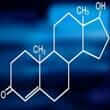
medical conditions
Hormonal Disorders
Explore the available health information, treatment context, and integrative evidence for Hormonal Disorders.
Evidence Ledger
Grades describe the evidence for Hormonal Disorders relative to each listed condition or goal.
Toggle evidence section
Evidence and integrative options for Hormonal Disorders
Background
- Hormonal disorders, also called endocrine disorders, are illnesses that occur when the body releases too many or too few hormones. Hormones are chemicals that are released into the bloodstream. They send messages to cells throughout the body in order to regulate bodily functions, such as growth, metabolism, and sexual development. As a result, patients with hormonal disorders experience a disruption in such bodily functions.
- Hormones are part of the body's endocrine system. The endocrine system is made up of several glands throughout the body that produce and secrete hormones. The major glands of the endocrine system include the adrenal glands, gonads (ovaries and testes), pancreas, pituitary gland, and the thyroid gland. Examples of hormones include cortisol, testosterone, estrogen, human growth hormone, insulin, thyroxine, and triiodothyronine.
- Treatment and prognosis for patients with hormonal disorders vary depending on the type and severity of the condition.
Prevention
- Patients who are taking corticosteroids should not discontinue medication abruptly because it may lead to Addison's disease. Instead, patients should slowly taper off the medication under the supervision of their healthcare providers.
- Patients can take precautions to avoid contracting infections, such as tuberculosis or fungal infections, which may lead to adrenal insufficiency. Avoiding close contact with individuals who have contagious illnesses may help reduce the risk of acquiring infections. Practicing good hygiene and regularly washing the hands with soap and water may also help reduce the risk of acquiring infections.
- Since stress may exacerbate symptoms of Addison's disease, patients should find ways to manage their stress. Patients should try to maintain a positive outlook and avoid triggers of stress. Regular exercise may help decrease stress levels. Also, good scientific evidence suggests that music therapy, aromatherapy, art therapy, relaxation therapy, and yoga may help relieve symptoms of stress. Patients may also benefit from classes or psychotherapy sessions that teach individuals how to manage their time, stress, and anger.
- Patients should consume healthy levels of iodine in order to prevent hypothyroidism.
- Patients with diabetes should take their medications exactly as prescribed in order to prevent hyperglycemia or hypoglycemia.
References
- Australian Addison's Disease Association, Inc. . Accessed April 5, 2009.
- Endocrine and Metabolic Diseases Information Service. . Accessed April 5, 2009.
- Jeffcoate W. Assessment of corticosteroid replacement therapy in adults with adrenal insufficiency. Ann Clin Biochem. 1999 Mar;36 ( Pt 2):151-7. . View Abstract
- Kasagi K. Painful Hashimoto's thyroiditis. Intern Med. 2006;45(6):351-2. Epub 2006 Apr 17. . View Abstract
- Kyriazopoulou V. Glucocorticoid replacement therapy in patients with Addison's disease. Expert Opin Pharmacother. 2007 Apr;8(6):725-9. . View Abstract
- Lackner JE, Mark I, Schatzl G, et al. Hypogonadism and androgen deficiency symptoms in testicular cancer survivors. Urology. 2007 Apr;69(4):754-8. . View Abstract
- National Institute of Diabetes & Digestive & Kidney Diseases (NIDDK). . Accessed April 5, 2009.
- Natural Standard: The Authority on Integrative Medicine. . Copyright © 2009. Accessed April 5, 2009.
- Thomas CG Jr, Rutledge RG. Surgical intervention in chronic (Hashimoto's) thyroiditis. Ann Surg. 1981 Jun;193(6):769-76. . View Abstract